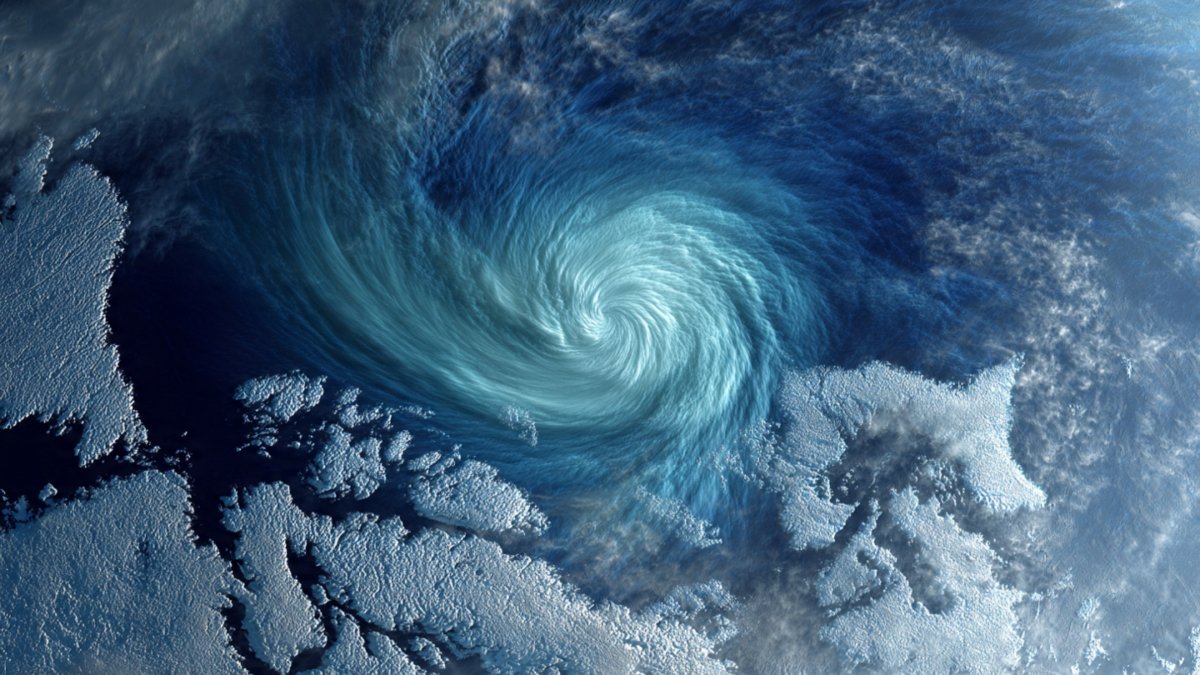
As February unfolds, meteorologists and climate scientists are warning of an extraordinary polar vortex anomaly that is set to impact large portions of the Northern Hemisphere. While winter weather events are not unusual in February, the current polar vortex’s intensity is being described as “almost unheard of,” with potential consequences for millions of people, agriculture, energy consumption, and transportation systems.
A polar vortex is a large area of low pressure and extremely cold air surrounding the Earth’s poles. Normally, this system stays confined to the Arctic during winter, circulating in a relatively stable pattern. However, disturbances in the stratosphere or sudden shifts in atmospheric conditions can weaken the vortex, allowing frigid Arctic air to plunge southward. When this happens, temperatures in mid-latitude regions—including North America, Europe, and parts of Asia—can drop dramatically within a short period.
This February, experts note that the polar vortex is displaying signs of abnormal displacement and amplification. Satellite data, high-altitude observations, and climate models indicate a significant splitting of the vortex, causing two or more lobes of intensely cold air to push into regions unaccustomed to extreme cold. Such anomalies are rare, particularly this late in the winter season, and they bring heightened risks for human health, infrastructure, and ecological systems.
Understanding the Polar Vortex
The polar vortex itself is a natural feature of Earth’s climate system. It forms every autumn as the polar regions lose sunlight, causing the air to cool rapidly. This cooling strengthens the jet stream that encircles the pole, trapping cold air in a circular pattern. In a stable polar vortex, this cold air remains mostly in the Arctic, while the mid-latitudes experience normal winter conditions.
Problems arise when the polar vortex weakens or becomes unstable. Disruptions in the stratosphere, such as sudden stratospheric warming events, can distort the vortex’s circular structure. When this occurs, the jet stream can meander dramatically, allowing bursts of Arctic air to move south into temperate regions. These disruptions are linked to colder-than-average temperatures, snowstorms, and even ice storms.

In the case of this February’s polar vortex anomaly, atmospheric readings show that the jet stream is exhibiting unusually large oscillations, and the vortex itself is elongated and fragmented. This unusual configuration is responsible for the exceptionally cold temperatures forecasted across parts of the United States, Europe, and East Asia.
Why This Polar Vortex Is Unusually Intense
Several factors contribute to the severity of this anomaly. Scientists are pointing to the following:
1. Arctic Amplification: The Arctic is warming at more than twice the global average. Paradoxically, this accelerated warming can destabilize the polar vortex, making it more prone to sudden displacement events.
2. Sudden Stratospheric Warming: Data from the past weeks show a rapid warming of the stratosphere above the Arctic. This sudden warming disrupts the vortex’s rotation and can split it into multiple lobes, pushing cold air southward.
3. La Niña Influence: La Niña conditions in the Pacific Ocean can alter global atmospheric circulation patterns. Historically, strong La Niña winters correlate with more frequent or intense polar vortex incursions into North America.

4. Jet Stream Instability: Satellite observations indicate the polar jet stream is unusually wavy, creating deep troughs that funnel Arctic air into temperate latitudes. These troughs can generate record-breaking cold temperatures and heavy snowfall in regions unprepared for such extremes.
Expected Impacts on Weather
The approaching polar vortex is expected to bring record-low temperatures across many areas in North America, including the Midwest, Northeast, and even parts of the Southeast. Cities that rarely experience subzero temperatures may see new lows, while snowfall could exceed seasonal averages in several regions.
Europe is also on alert. Northern and Eastern Europe may face prolonged cold spells, with the potential for heavy snow in urban and rural areas. Meanwhile, East Asia could experience a combination of extreme cold and strong winds, affecting both human activity and agricultural production.
The combination of intense cold and high wind speeds raises the risk of frostbite, hypothermia, and other cold-related health emergencies. Public advisories are urging residents to limit outdoor exposure, check heating systems, and ensure that vulnerable populations—such as the elderly—are properly protected.
Effects on Infrastructure and Energy
A polar vortex of this magnitude puts considerable stress on infrastructure. Electric grids, already challenged by winter heating demand, may face record consumption peaks. Natural gas and electricity usage could surge, leading to temporary shortages or outages in some areas.

Transportation systems are also vulnerable. Airports may experience delays or cancellations due to icy conditions and snowstorms. Roads and highways will require intensive clearing efforts, and train services may be disrupted in regions with heavy snowfall.
Additionally, extreme cold can exacerbate structural issues. Water pipes are at risk of freezing and bursting, while bridges, railways, and other critical infrastructure may require additional inspection and reinforcement.
Agricultural and Ecological Consequences
The polar vortex anomaly has significant implications for agriculture. Crops that have not yet been harvested, such as winter grains, may face damage from subzero temperatures. Livestock must be properly sheltered to avoid losses.
Wildlife is also affected. Birds, mammals, and other animals may struggle to find food, and fragile ecosystems may face additional stress. Extended cold spells can disrupt migration patterns and reduce survival rates, particularly for species already vulnerable due to habitat loss or climate change.
Preparing for a Polar Vortex Event
Communities and individuals can take several steps to prepare for extreme cold events caused by the polar vortex:

- Stay Informed: Monitor weather forecasts and advisories from local meteorological agencies. Changes in the polar vortex can occur rapidly, so timely updates are critical.
- Emergency Supplies: Stock up on essentials such as food, water, warm clothing, and batteries. Backup heating options and blankets are also advisable.
- Protect Property: Insulate water pipes, check heating systems, and secure any outdoor items that could be damaged by snow or ice.
- Plan Travel Carefully: Avoid unnecessary travel during extreme cold or blizzard conditions. Use public transportation when possible and allow extra time for delays.
- Care for Vulnerable Populations: Ensure elderly relatives, neighbors, and pets are kept warm and safe during periods of severe cold.
Climate Change and Polar Vortex Behavior
The intensity of this February’s polar vortex has renewed discussions about climate change and its effects on extreme weather. While the polar vortex itself is a natural phenomenon, scientists believe that a warming Arctic and other climate changes may influence its frequency and severity.
Arctic amplification, for example, can weaken the polar vortex’s stability, increasing the likelihood of sudden cold air outbreaks in mid-latitude regions. Similarly, changing oceanic patterns like El Niño and La Niña can interact with atmospheric conditions, amplifying temperature swings.
This event serves as a reminder that even in a warming world, extreme cold events remain possible—and may even become more volatile due to climate-related changes in global circulation patterns.
Looking Ahead
Meteorologists emphasize that while the polar vortex anomaly is alarming, it is also an opportunity to improve preparedness. Early warnings, public awareness campaigns, and climate research can mitigate the risks associated with extreme cold.
As the polar vortex approaches, communities must stay vigilant, prioritize safety, and adapt to conditions that challenge conventional expectations of winter. The intensity of this anomaly serves as a stark reminder that weather patterns are becoming increasingly unpredictable—and that understanding atmospheric dynamics is essential for resilience.

While February’s extreme polar vortex may be rare, it underscores the importance of planning, infrastructure resilience, and public education to reduce the impact of such extraordinary weather events.
Conclusion
The polar vortex anomaly approaching this February is almost unprecedented in intensity. Its impacts are expected to be far-reaching, affecting weather, energy, transportation, agriculture, and human health. While such events are natural, their severity highlights the complex interplay between climate change and atmospheric dynamics.
Preparation, awareness, and adaptive measures are essential to protect communities, infrastructure, and ecosystems from extreme cold events. By understanding the polar vortex and its potential consequences, society can respond effectively and minimize the disruption caused by one of winter’s most formidable natural phenomena.

Leave A Comment