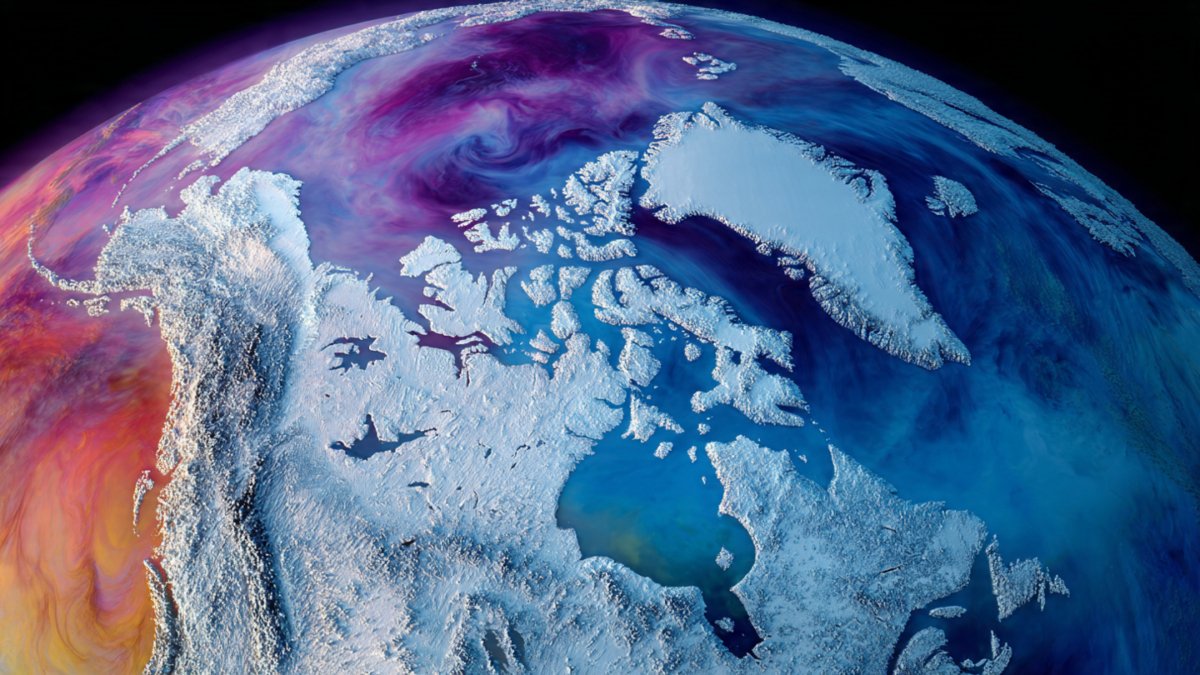
Meteorologists are raising alarms as an unusually early breakdown of Arctic atmospheric patterns is forming in February, an event with potential global consequences. Typically, the Arctic experiences cycles of cold air containment during winter, known as the polar vortex. This stable vortex keeps frigid Arctic air locked in place, allowing weather patterns in the Northern Hemisphere to remain relatively predictable. However, recent observations indicate a disruption in this delicate balance, sending shockwaves through the meteorological community. Experts warn that the signals detected are rare, with patterns not seen for decades, hinting at unprecedented weather volatility for the coming months.
Understanding the Arctic Breakdown
The Arctic acts as Earth’s refrigerator, regulating global climate by containing extremely cold air in a polar vortex that spins above the North Pole. This vortex, a large, low-pressure system, is usually strongest in the dead of winter. When it is stable, frigid Arctic air remains confined, and mid-latitude regions experience typical seasonal temperatures.
A breakdown occurs when this vortex weakens or becomes displaced, allowing pockets of Arctic air to spill southward. This can trigger extreme cold snaps across North America, Europe, and Asia. At the same time, some regions closer to the Arctic may experience unexpected warmth. Scientists refer to this as a “sudden stratospheric warming” (SSW) event, which often precedes dramatic shifts in weather patterns.
What makes the current event alarming is the timing. February is usually late in the Arctic’s seasonal cycle, yet meteorological readings suggest that the breakdown is occurring unusually early. Historical records indicate that such early disruptions are rare and often lead to chaotic weather patterns worldwide.
Atmospheric Signals Raising Concern
Meteorologists have been monitoring a series of unusual atmospheric signals in recent weeks. Satellite data shows warming in the stratosphere above the Arctic, a key indicator of polar vortex weakening. Additionally, wind patterns are shifting at altitudes of 10–50 kilometers, signaling that the vortex’s once-steady rotation may fragment into multiple smaller vortices.

Another concerning factor is the rapid decline in sea ice extent. Thinner ice and exposed water absorb more solar radiation, warming the atmosphere above and destabilizing the polar vortex. Scientists point out that early winter or mid-winter Arctic warming events are historically associated with extreme weather phenomena, including prolonged cold snaps, heavy snowfall, and unusual storm tracks.
For decades, these signals have been rare, but their reappearance now raises questions about long-term changes in Arctic climate dynamics. Some researchers speculate that rising global temperatures and shifting ocean currents may be amplifying the likelihood of early vortex disruptions.
Impacts on North America
If the polar vortex weakens and shifts southward, North America could face a series of intense cold spells. Meteorologists predict that the United States may see temperatures plunging far below seasonal averages in the Midwest, Northeast, and even parts of the South. Cities like Chicago, New York, and Atlanta could experience record-breaking cold stretches, accompanied by heavy snowfall in certain areas.
Agriculture, energy, and infrastructure are among the sectors most vulnerable to these events. Farmers may face frost damage to winter crops, while energy grids could struggle under increased demand for heating. Transportation disruptions, including flight cancellations and road hazards, are also likely if storms follow unpredictable tracks.
However, not all regions will experience extreme cold. Some areas closer to the Arctic Circle may witness unusually mild temperatures as Arctic air moves south, reversing typical winter patterns. These imbalances highlight the complexity of the event and the challenges forecasters face in predicting exact outcomes.

European and Asian Weather Concerns
Europe and Asia could also be affected by the early Arctic breakdown. Northern Europe might see harsher-than-normal winter conditions, with prolonged periods of subzero temperatures and heavy snow in countries such as Norway, Sweden, and Finland. Meanwhile, parts of Eastern Europe and Western Russia could experience rapid temperature swings, with cold snaps followed by unexpected warming.
In Asia, countries like China, Mongolia, and Japan may also face volatile winter weather. Sudden Arctic air outbreaks could bring intense cold waves, potentially disrupting daily life and agriculture. Historical events have shown that early polar vortex disturbances can create chain reactions in jet streams, causing weather anomalies thousands of kilometers away from the Arctic.
Scientific Debate and Climate Implications
The early Arctic breakdown has sparked debate within the scientific community. Some researchers argue that this is a natural variation, a rare but recurring feature of Arctic dynamics. Others contend that it may be linked to anthropogenic climate change, with rising temperatures in the Arctic weakening the polar vortex more frequently.
Studies indicate that Arctic amplification—the faster warming of the Arctic compared to the global average—can destabilize winter atmospheric patterns. Reduced sea ice, warming oceans, and altered pressure systems contribute to the early breakdowns, creating feedback loops that amplify extreme weather events. While climate change is unlikely to be the sole cause of a single event, its influence on frequency and intensity cannot be ignored.
Understanding the mechanisms behind this early breakdown is crucial. Meteorologists are closely analyzing stratospheric temperatures, wind speeds, and ocean currents to determine the exact triggers. Improved predictive models will help prepare societies for extreme winter events and reduce potential economic and human costs.

Preparing for Unpredictable Winters
Governments and communities need to be proactive in response to the unusually early Arctic breakdown. Emergency management systems may need to prepare for record cold, heavy snow, and infrastructure stress. Power companies are advised to evaluate energy reserves, while transportation agencies should anticipate delays and hazardous conditions.
Individuals can also take preventive measures. Stockpiling essentials, preparing for potential power outages, and ensuring proper insulation in homes are practical steps. Awareness of local weather forecasts and guidance from meteorological agencies can help minimize risks.
Long-term, this event underscores the importance of building resilience in societies facing climate volatility. Infrastructure, agriculture, and public health systems must adapt to increasingly unpredictable weather influenced by Arctic dynamics.
Lessons From Past Arctic Disruptions
Historically, sudden polar vortex disruptions have led to some of the most extreme winter events in recent decades. In 2014, a split in the polar vortex caused record-breaking cold in the U.S., while parts of Europe experienced unusual warmth. Similar events in 2018 and 2021 disrupted daily life and tested emergency response systems.
These historical examples demonstrate that early signals like those observed now are not to be taken lightly. Advanced warning allows governments, businesses, and citizens to implement measures that reduce risks and protect lives.

Future Research and Monitoring
The early Arctic breakdown highlights the need for continued research and monitoring. Satellite technology, high-altitude balloons, and advanced climate models provide unprecedented data on atmospheric behavior. By studying these patterns, scientists aim to improve forecasts and better understand the interplay between Arctic changes and global weather systems.
International collaboration is also key. The Arctic spans multiple nations, and its influence extends worldwide. Sharing data, resources, and expertise enhances predictive capabilities and helps humanity prepare for extreme weather events that may be linked to early polar vortex disruptions.
Conclusion
The unusually early Arctic breakdown forming in February is a stark reminder of the fragility and complexity of Earth’s climate system. With atmospheric signals not seen in decades, meteorologists warn that this event could bring unpredictable and extreme weather across the Northern Hemisphere.
From North America to Europe and Asia, societies may face intense cold, heavy snowfall, and unusual temperature swings. Beyond immediate disruptions, this event underscores the broader implications of a warming Arctic and the potential for climate-driven changes in global weather patterns.
While the precise outcomes remain uncertain, early monitoring, proactive planning, and public awareness are critical. As scientists continue to study the event, it is clear that the Arctic’s influence on global weather is profound, and humanity must remain vigilant.

In the words of experts, “The Arctic is sending an early warning.” By heeding these signals, societies can better prepare for the challenges ahead, safeguarding communities and learning more about the planet’s evolving climate system.

Leave A Comment