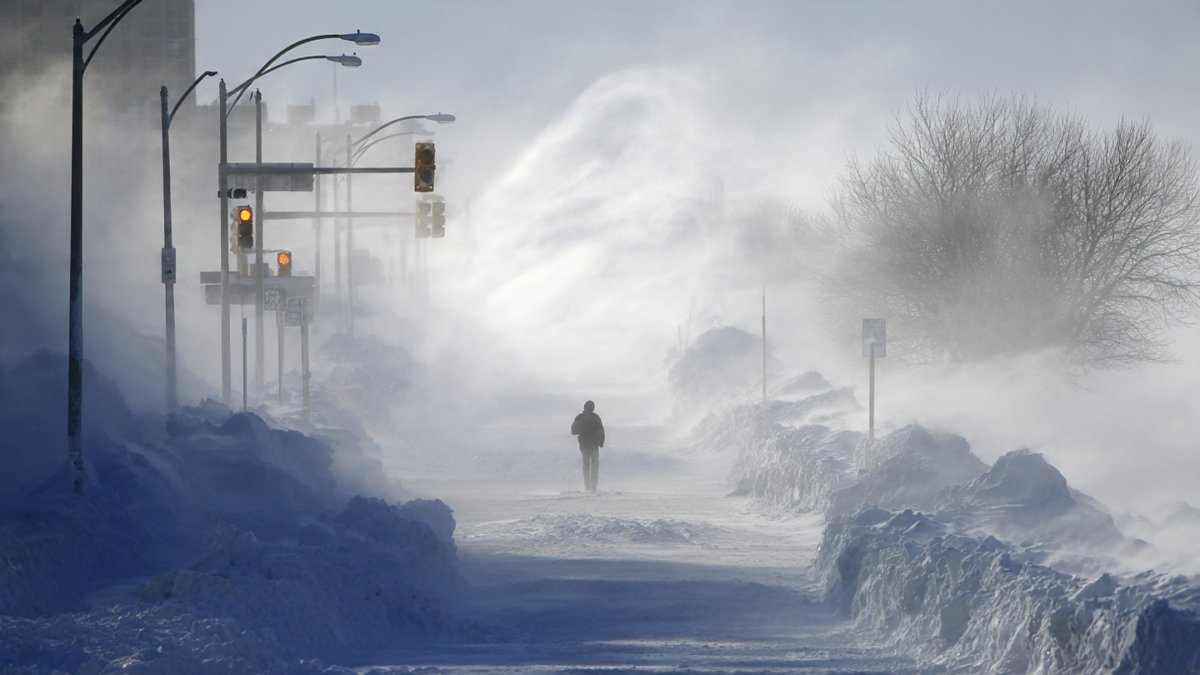
As winter unfolds, meteorologists and climate scientists are closely monitoring a developing phenomenon high above the Earth’s surface that could dramatically influence weather patterns in the coming weeks. A rare polar vortex shift is beginning to take shape, and experts are warning that February may bring unusually extreme conditions. From powerful cold waves to disruptive snowstorms and sudden temperature swings, this atmospheric event has the potential to reshape winter as many regions know it.
Understanding what a polar vortex is, why it shifts, and how it affects daily life can help communities prepare for the challenges ahead. While such events are part of natural climate cycles, their increasing intensity and unpredictability have made them a major focus for weather researchers worldwide.
Understanding the Polar Vortex
The polar vortex is a massive area of low pressure and cold air that circulates around the Earth’s polar regions, particularly over the Arctic. It exists year-round, but it strengthens in winter when temperature differences between the poles and the equator become more pronounced.
Under normal conditions, the polar vortex remains relatively stable, keeping frigid Arctic air locked in the far north. Strong winds, known as the polar jet stream, act as a barrier that prevents cold air from drifting southward. When this system is intact, winter temperatures in many regions remain manageable, even during cold spells.
However, the polar vortex is not a fixed structure. It can weaken, stretch, or split under certain atmospheric conditions. When this happens, cold Arctic air is released toward lower latitudes, often resulting in extreme winter weather.
What Causes a Polar Vortex Shift?
A polar vortex shift typically occurs when the upper atmosphere experiences a sudden disturbance. One of the main triggers is known as sudden stratospheric warming. This happens when temperatures in the stratosphere, about 10 to 50 kilometers above the Earth’s surface, rise rapidly within a short period.

This warming disrupts the normal circulation of the polar vortex, weakening its structure. As a result, the vortex may become elongated, displaced, or even split into multiple smaller systems. These changes allow cold air masses to escape their usual boundaries.
Another contributing factor is the interaction between atmospheric waves and the jet stream. These waves, influenced by mountain ranges, ocean currents, and temperature contrasts, can push and pull on the polar vortex. When the balance is disturbed, large-scale shifts can occur.
Climate patterns such as El Niño and La Niña can also influence the stability of the polar vortex. By altering global wind and temperature patterns, these phenomena may increase the likelihood of unusual vortex behavior during winter.
Why This Shift Is Considered Rare
While minor fluctuations in the polar vortex happen regularly, major shifts are relatively uncommon. A significant displacement or splitting event occurs only a few times each decade. These events stand out because of their widespread and long-lasting impacts.
In the current situation, experts have observed unusual temperature changes in the upper atmosphere combined with weakening wind patterns. These signals suggest that the vortex may be undergoing a substantial reorganization rather than a temporary wobble.
What makes this shift particularly notable is its timing. Developing in late winter, it coincides with a period when cold air reserves are still strong. This increases the risk of intense and prolonged cold outbreaks during February, a month already known for volatile weather.

How February Could Be Affected
If the polar vortex continues to weaken and shift, February could bring a series of extreme weather events across various regions. One of the most likely outcomes is the arrival of Arctic air masses far south of their usual range.
This could result in extended periods of below-average temperatures, even in areas that typically experience mild winters. Cities unaccustomed to severe cold may face sudden freezes, creating challenges for infrastructure and public safety.
Heavy snowfall is another potential consequence. When cold Arctic air interacts with moist air from oceans or warmer regions, powerful snowstorms can develop. These systems may produce large accumulations of snow in short periods, disrupting transportation and daily life.
In some areas, the shift could also cause dramatic temperature swings. A sudden plunge into deep cold may be followed by brief warm spells, increasing the risk of ice storms, flooding from snowmelt, and unstable road conditions.
Impacts on Daily Life and Infrastructure
Extreme winter weather places enormous strain on communities. Prolonged cold can overwhelm heating systems, leading to power outages and increased energy demand. Water pipes may freeze and burst, causing costly damage to homes and public buildings.
Transportation networks are particularly vulnerable. Snow-covered roads, icy runways, and frozen rail lines can disrupt travel and supply chains. Delays in food, fuel, and medical supplies may affect both urban and rural areas.

Schools and workplaces may face repeated closures, affecting education and productivity. For vulnerable populations, including the elderly, homeless, and those with limited access to heating, prolonged cold poses serious health risks.
Agriculture is also at risk. Sudden freezes can damage winter crops, fruit trees, and livestock. Farmers may face losses that extend beyond the winter season, influencing food prices and availability.
The Role of Climate Change
Scientists emphasize that polar vortex shifts are part of natural atmospheric variability. However, climate change is altering the background conditions in which these events occur.
The Arctic is warming faster than most other regions of the planet, a phenomenon known as Arctic amplification. As ice melts and temperatures rise, the contrast between polar and mid-latitude regions is changing. Some researchers believe this may weaken the jet stream, making it more prone to large meanders and disruptions.
These changes could increase the frequency or intensity of polar vortex disturbances. While the exact relationship is still being studied, many experts agree that climate change is contributing to more erratic and extreme weather patterns.
This means that rare events may become less predictable and potentially more impactful in the future.

How Communities Can Prepare
Preparation is essential when facing the possibility of extreme winter conditions. Individuals and families can take practical steps to reduce risks and stay safe.
Ensuring that homes are properly insulated and heating systems are well maintained is a crucial first step. Stocking emergency supplies such as food, water, medications, and blankets can provide security during power outages or travel disruptions.
Protecting pipes by insulating exposed sections and allowing faucets to drip slightly during extreme cold can help prevent freezing. Keeping vehicles winter-ready with antifreeze, snow tires, and emergency kits is also important.
Local authorities play a vital role in preparation. Clearing drainage systems, maintaining snow removal equipment, and communicating timely weather updates can significantly reduce the impact of severe storms.
Community support networks, including shelters and volunteer groups, become especially important during prolonged cold spells. These networks ensure that vulnerable individuals are not left without assistance.
The Importance of Accurate Forecasting
Modern weather forecasting has improved significantly, allowing scientists to monitor atmospheric changes in real time. Satellites, weather balloons, and computer models provide detailed insights into the behavior of the polar vortex.

While long-term predictions remain challenging, early warning signs of major shifts give authorities and citizens valuable time to prepare. Continuous monitoring in the coming weeks will help refine forecasts and assess the likelihood of extreme February conditions.
Public awareness and trust in scientific information are essential. Following official weather advisories and avoiding misinformation can make a critical difference during high-impact events.
Looking Ahead
The developing polar vortex shift serves as a reminder of the powerful forces shaping Earth’s climate. Though invisible to most people, changes high in the atmosphere can influence daily life in profound ways.
Whether February brings record-breaking cold, heavy snow, or rapid temperature fluctuations, preparedness and cooperation will be key to minimizing disruption. By understanding the science behind these events and responding proactively, societies can adapt more effectively to extreme conditions.
As experts continue to study the evolving situation, one message remains clear: winter is far from over, and the coming weeks may test the resilience of communities across the globe. Staying informed, prepared, and connected will be essential in facing whatever challenges this rare atmospheric shift may bring.

Leave A Comment