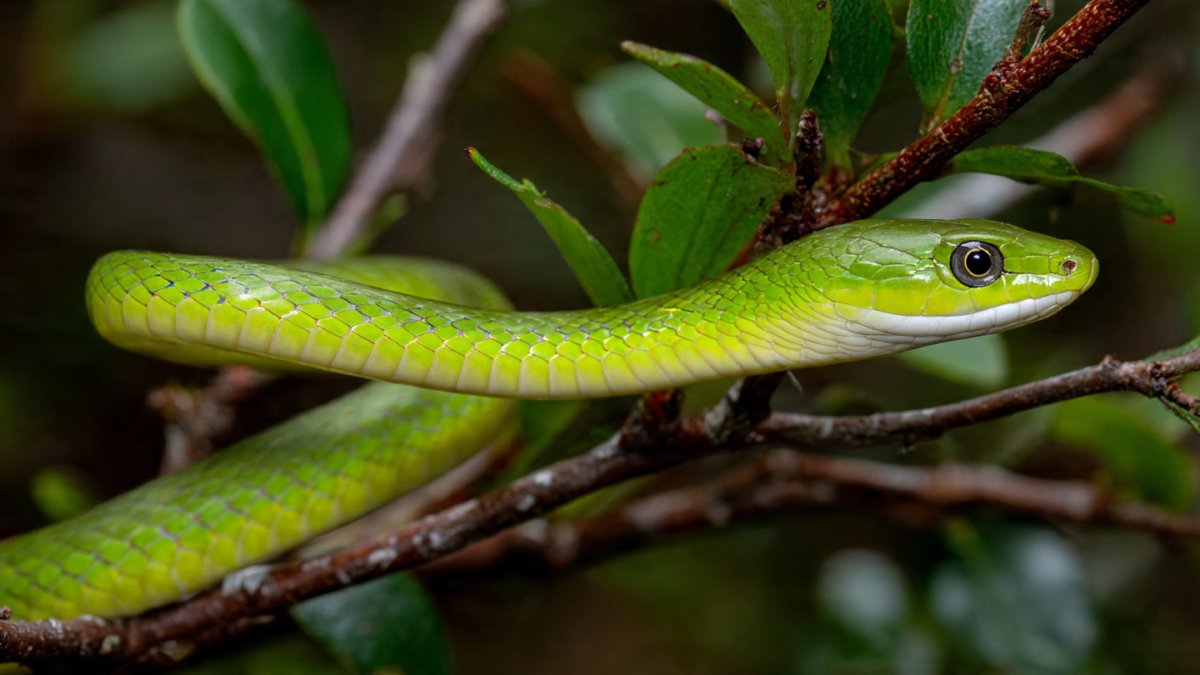
Many homeowners take great pride in creating beautiful, green outdoor spaces filled with colorful flowers, lush shrubs, and shade-giving plants. Gardening brings relaxation, improves air quality, and enhances property value. However, experienced gardeners and wildlife experts now warn that one seemingly harmless plant commonly found in home gardens can unintentionally turn your yard into a magnet for snakes.
This plant often looks attractive, grows easily, and requires little maintenance. Because of these qualities, many people plant it without hesitation. Yet beneath its innocent appearance lies a hidden danger that can make your home environment unsafe. Understanding why this plant attracts snakes and why it should be avoided near residential areas is essential for protecting your family and pets.
The Plant in Question: Thick Ground Cover and Dense Shrubs
While several plants can contribute to snake-friendly environments, gardeners most often point to dense ground-cover plants and thick, bushy shrubs, especially snake grass, mondo grass, tall ornamental grasses, bamboo, ivy, and overgrown hedges, as the biggest culprits.
These plants are not dangerous by themselves. In fact, they are widely praised for their beauty, erosion control, and low maintenance. However, their growth patterns create the perfect hiding and hunting environment for snakes.
When planted near homes, walls, patios, and play areas, these plants can unknowingly invite snakes to settle nearby.
Why Snakes Are Drawn to These Plants
Snakes do not come into yards randomly. They are motivated by three main survival needs: shelter, food, and safety. Certain plants provide all three at once.
1. Excellent Hiding Places
Dense plants form thick layers close to the ground. Tall grass, ivy mats, bamboo clusters, and bushy hedges create shaded, cool, and concealed spaces.
Snakes are naturally secretive animals. They prefer to remain hidden from predators and humans. These plants allow them to move, rest, and hunt without being seen.
Once snakes find reliable shelter, they often stay permanently.

2. Cool and Moist Environment
Snakes are cold-blooded and depend on their surroundings to regulate body temperature. Thick vegetation retains moisture and provides shade, creating a cooler microclimate.
During hot weather, snakes actively seek out cool, damp places. Ground-cover plants and dense shrubs offer perfect protection from heat.
In tropical and warm regions, such as many parts of India, this effect becomes even stronger, increasing the chances of snake presence.
3. Abundance of Prey
Where there are plants, there are insects. Where there are insects, there are rodents. And where there are rodents, snakes will surely follow.
Dense plants attract:
- Rats
- Mice
- Frogs
- Lizards
- Insects
These animals become easy prey for snakes. A yard filled with thick vegetation becomes a ready-made hunting ground.
Even if you never see rodents, they may be hiding inside these plants.
4. Undisturbed Living Space
Many homeowners avoid trimming dense plants frequently because they require effort. Over time, these areas become neglected.
Snakes prefer places where human activity is minimal. Undisturbed bushes and grasses offer peace and privacy, making them ideal long-term shelters.

Why This Is Especially Dangerous Near Homes
Planting these snake-attracting plants near houses multiplies the risk of dangerous encounters.
1. Increased Chances of Snake Bites
When snakes live close to homes, accidental encounters become more common. People may step on them while walking barefoot, gardening, or cleaning the yard.
Children and pets are particularly vulnerable because they play near bushes and grass.
Most snake bites happen when humans unknowingly disturb a resting snake.
2. Entry Into Houses
Once snakes become comfortable in your yard, they may enter your home through:
- Gaps under doors
- Open windows
- Drainage pipes
- Cracks in walls
They often enter while searching for food or shelter during extreme weather.
This creates panic and serious safety risks.
3. Psychological Stress
Knowing that snakes may be hiding near your home creates constant anxiety. Many families become afraid to use their own gardens, balconies, or backyards.
This defeats the purpose of having a peaceful outdoor space.

4. Risk to Pets
Dogs and cats often explore bushes and grass. A hidden snake can easily bite a curious pet, leading to serious injury or death.
Veterinary treatment for snake bites is expensive and time-sensitive.
Common Plants That May Attract Snakes
Gardeners warn that the following popular plants can increase snake activity if not managed properly:
- Mondo grass
- Fountain grass
- Pampas grass
- Bamboo
- English ivy
- Creeping fig
- Overgrown hedges
- Tall weeds
- Thick shrubs
These plants are not forbidden, but they should never be planted close to house foundations, entrances, or children’s play areas.
How to Make Your Garden Less Attractive to Snakes
Fortunately, you do not need to give up gardening to stay safe. Simple changes can greatly reduce snake risks.
1. Keep Plants Well Trimmed
Regular pruning is essential. Cut back thick grasses and shrubs so sunlight can reach the ground.
Open, well-lit spaces discourage snakes.
2. Maintain Clean Surroundings
Remove:
- Fallen leaves
- Wood piles
- Stones
- Broken pots
- Construction debris
These items serve as hiding places.

3. Control Rodents
Seal garbage bins, clean food scraps, and block rat entry points. Reducing rodents automatically reduces snakes.
4. Create Clear Boundaries
Maintain a plant-free zone of at least 2–3 feet around your home walls. Use gravel or tiles instead of plants.
Snakes dislike crossing open spaces.
5. Improve Drainage
Avoid water stagnation. Fix leaking taps and clogged drains. Moist areas attract frogs and insects, which attract snakes.
6. Use Natural Repellents
Some plants and materials may discourage snakes, including:
- Lemongrass
- Marigold
- Garlic
- Onion plants
- Neem
While not foolproof, they can help when combined with good maintenance.
Safer Plant Choices for Home Gardens
If you want beauty without risk, choose plants that grow neatly and do not form thick ground cover.
Good alternatives include:
- Rose bushes (pruned regularly)
- Hibiscus
- Jasmine climbers (on trellises)
- Bougainvillea
- Succulents
- Aloe vera
- Potted herbs
These plants are easier to manage and less likely to shelter snakes.

What to Do If You See a Snake in Your Yard
If you spot a snake, stay calm.
Do not try to kill it. Most snake bites happen when people attempt to attack snakes.
Instead:
- Keep distance
- Keep children and pets indoors
- Call local wildlife rescue or forest officials
- Secure doors and windows
Professionals know how to remove snakes safely without harming them.
Final Thoughts
That seemingly harmless plant in your yard may be silently creating the perfect home for snakes. Dense ground covers, tall grasses, bamboo, and thick shrubs provide shelter, moisture, food, and safety—everything snakes need to thrive.
When planted near houses, these plants dramatically increase the chances of dangerous encounters, bites, and unwanted indoor visits. While these plants are beautiful, their hidden risks should never be ignored.
By maintaining your garden properly, choosing safer plants, and keeping your surroundings clean, you can enjoy a green, peaceful outdoor space without fear.
A well-planned garden is not just about beauty—it is about safety. Being aware of what you plant today can protect your family tomorrow.

Leave A Comment