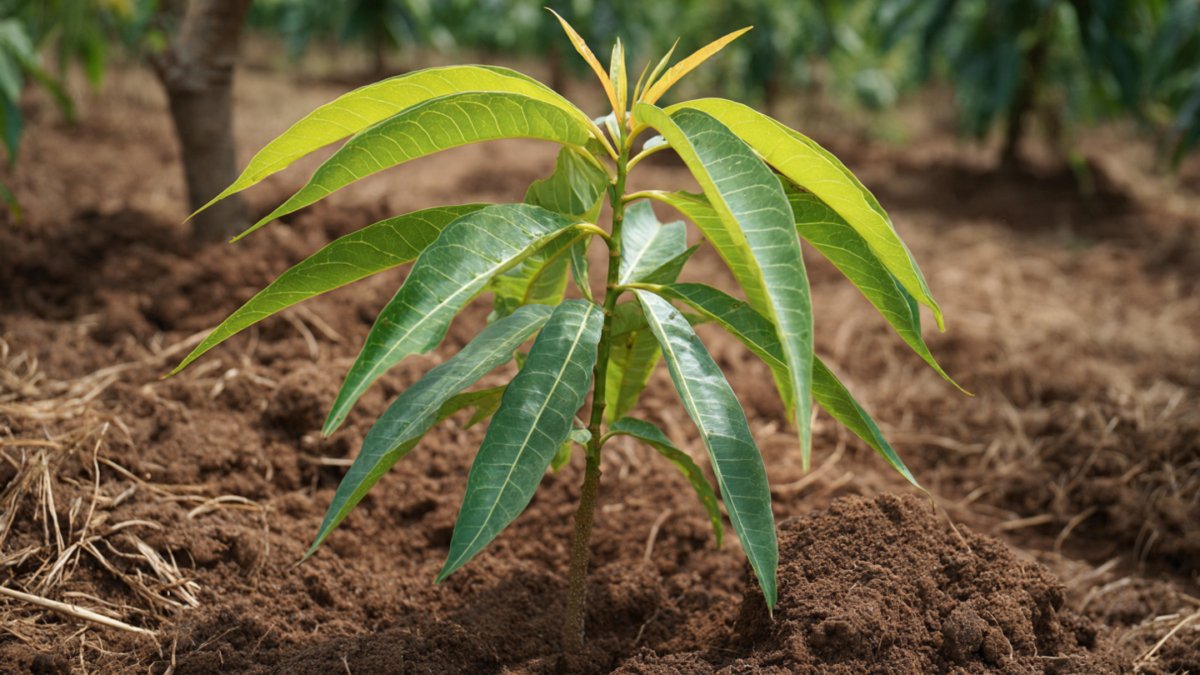
Mangoes are often called the “king of fruits,” celebrated for their sweet, juicy flesh, tropical aroma, and nutritional benefits. Imagine enjoying fresh mangoes from your own garden without spending a dime on saplings or seedlings. It might sound too good to be true, but growing a mango tree from a simple seed is entirely possible—and with the right method, your tree can grow fast, producing leaves, flowers, and eventually fruit in a surprisingly short time. This article reveals the step-by-step mango seed trick that allows you to plant a mango tree for free and nurture it successfully.
Why Grow Mango Trees from Seeds?
Mango trees grown from seeds have several advantages:
- Cost-free start – You can grow a mango tree from seeds saved from the fruit you buy at the store. No need to purchase expensive saplings.
- Easy availability – Mango seeds are easy to find, and nearly all mangoes contain viable seeds.
- Fast-growing trick – With proper preparation, mango seeds sprout faster and develop into strong seedlings.
- Satisfaction – Watching a tree grow from a seed into a mature fruit-bearing plant is immensely rewarding.
While grafted mango trees sometimes produce fruit faster, growing from seed allows you to experiment, save money, and enjoy the thrill of home gardening.
Selecting a Mango for Seeds
The first step in planting a mango tree for free is choosing the right fruit:
- Pick a fully ripe mango for the juiciest, most viable seed.
- Ensure the fruit is disease-free; avoid any with signs of rot or fungal infections.
- Popular mango varieties like Alphonso, Haden, Kent, or Tommy Atkins work well, but nearly any mango with a healthy seed will germinate.
Once you’ve selected the mango, carefully extract the seed.
Extracting the Mango Seed
The mango seed is encased in a hard pit. To extract it:

- Cut the mango flesh away carefully, taking care not to damage the seed inside.
- Rinse the pit under running water to remove all remaining fruit pulp. This prevents mold and fungal growth.
- Dry the pit lightly for a few hours, but do not let it dry out completely.
Once cleaned, the seed is ready for the germination trick that ensures fast growth.
The Mango Seed Trick for Fast Growing
Mango seeds can be slow to germinate if planted directly, but the following trick accelerates growth significantly:
- Crack the outer shell carefully – Mango seeds have a thick, woody shell. Using a nutcracker or gentle tapping with a hammer, crack the shell just enough to reveal the inner seed without damaging it.
- Soak the seed in warm water – Submerge the seed in warm water for 24 hours. This softens the seed and activates germination.
- Wrap in a moist paper towel – Place the seed in a damp paper towel or cloth and put it inside a plastic bag. Keep the bag in a warm, dark place.
- Check daily – Keep the towel moist and check for sprouting. Roots and shoots should appear in 1–2 weeks with this method.
This simple trick drastically increases the chances of fast germination and healthy seedlings.
Preparing the Planting Medium
Once the seed sprouts, it’s time to prepare a pot or planting area:
- Choose a large, deep container for indoor planting, at least 12 inches deep, as mango trees develop long taproots.
- Use well-draining soil, a mix of garden soil, sand, and compost works well. Avoid heavy clay soil, which can trap water and stunt growth.
- Ensure the pot has drainage holes to prevent root rot.
For outdoor planting, select a spot with full sun exposure, fertile soil, and protection from strong winds.
Planting the Mango Seed
Follow these steps to plant your sprouted mango seed:

- Fill your pot or planting hole with the prepared soil mix.
- Plant the seed with the root pointing downward and the shoot pointing upward.
- Cover lightly with soil, leaving the shoot above ground.
- Water gently but thoroughly to settle the soil around the seed.
With proper planting, your mango seedling will establish quickly and begin growing into a strong tree.
Watering and Care
Mango seedlings require regular but moderate watering:
- Water when the top inch of soil feels dry. Overwatering can cause root rot, especially in pots.
- Reduce watering slightly once the plant establishes a strong root system.
- Use room-temperature water to prevent shocking the seedling.
Additionally, mango plants appreciate a light misting to maintain humidity around the leaves, especially in dry indoor or balcony conditions.
Sunlight Requirements
Mango trees thrive in full sunlight. For indoor seedlings:
- Place the pot in a south-facing window with at least 6–8 hours of direct sunlight.
- If natural light is insufficient, use LED or fluorescent grow lights to ensure proper growth.
- Rotate the pot every few days to encourage even growth and prevent leaning.
Proper sunlight is essential for photosynthesis, strong stems, and future fruit production.
Fertilizing for Fast Growth
Healthy seedlings need nutrients to grow quickly. Minimal-effort fertilization includes:

- Organic compost – Mix into the soil at planting to provide slow-release nutrients.
- Liquid fertilizer – Feed the young plant every 2–3 weeks with diluted balanced fertilizer.
- Optional foliar spray – Spraying leaves with diluted seaweed extract can enhance growth and overall plant vigor.
Balanced fertilization ensures fast growth, lush leaves, and strong root development.
Transplanting Outdoors
Once your seedling reaches 12–18 inches in height and develops a strong root system, it can be transplanted outdoors (if desired):
- Choose a sunny, well-draining location.
- Dig a hole slightly larger than the root ball.
- Carefully transplant the seedling, water thoroughly, and mulch around the base to retain soil moisture.
- Stake young trees if needed to support growth in windy areas.
Outdoor planting allows mango trees to grow tall and potentially bear fruit faster, but potted growth works well for small spaces or urban gardens.
Pruning and Maintenance
Proper pruning ensures healthy, bushy growth and better fruit production:
- Pinch the top shoots when the tree is young to encourage lateral branching.
- Remove weak, dead, or overcrowded branches to improve airflow.
- Regular pruning helps maintain a manageable size, especially for container-grown mango trees.
Minimal pruning combined with proper watering and sunlight will keep your tree healthy and vigorous.
Harvesting Mangoes
Mango trees grown from seed may take 3–6 years to bear fruit, depending on variety and care. Tips for successful harvest:

- Look for slightly soft, fragrant fruit at the end of the season.
- Harvest by gently twisting or cutting the mango from the stem.
- Regular watering and occasional fertilization during flowering and fruiting stages enhance fruit quality.
While patience is required, the reward of homegrown mangoes is well worth the wait.
Troubleshooting Common Problems
Even with the free seed trick, challenges can arise:
- Yellow leaves – Often caused by overwatering, nutrient deficiency, or insufficient sunlight.
- Slow growth – Check soil quality, light exposure, and watering frequency.
- Pests – Aphids or mealybugs can appear on young leaves. Neem oil or insecticidal soap is effective.
- Root rot – Ensure proper drainage and avoid waterlogged soil.
Regular observation and adjustments are key to overcoming these issues.
Bonus Tips for Faster Growth
- Warm environment – Mango seeds sprout and grow faster in warm, humid conditions.
- Avoid overfertilization – Too much nitrogen can promote leaves but delay flowering.
- Mulching – Helps retain soil moisture and regulates temperature around the roots.
- Companion planting – Growing basil or marigolds nearby can reduce pests naturally.
These small techniques enhance growth and help you enjoy a thriving mango tree.
Final Thoughts
Planting a mango tree for free is easier than most people think. With a simple mango seed trick—soaking, sprouting in a moist paper towel, and careful planting—you can start a fast-growing tree without buying seedlings. By providing proper soil, sunlight, watering, and occasional fertilization, your mango seed will grow into a strong, healthy tree.
Whether planted in a pot for balcony gardening or in a sunny backyard, your tree can become a long-term source of fresh, nutritious mangoes. Watching a mango tree grow from seed to fruit-bearing plant is both educational and deeply satisfying, proving that nature’s bounty is within your reach, even for free.

Start today, follow these steps, and enjoy the journey of growing your very own mango tree—one seed at a time. In a few years, you’ll have your own sweet harvest, ready to enjoy fresh or in homemade recipes, all thanks to the simple mango seed trick.

Leave A Comment