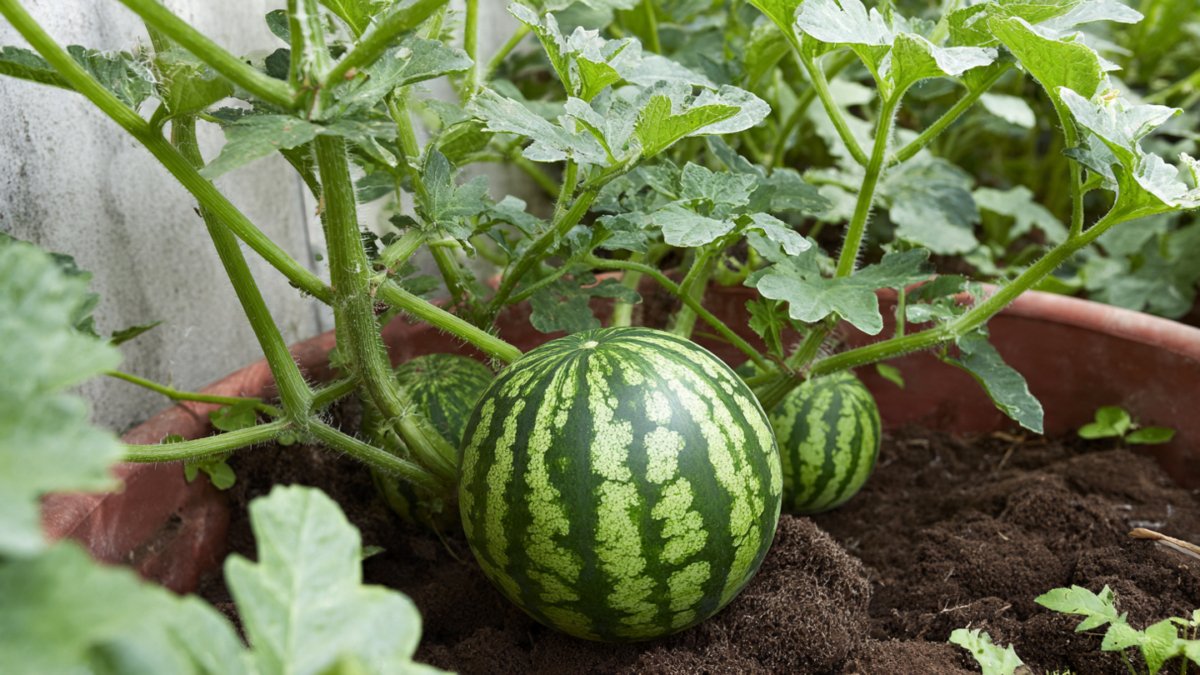
Watermelon is one of the most refreshing and beloved summer fruits, packed with hydration, vitamins, and natural sweetness. While many people assume watermelons require vast garden spaces to thrive, there’s a unique method that allows you to grow them at home—even in small yards, patios, or balcony gardens—and still achieve high yields. This guide will walk you step by step through this method, from seed selection to harvest, so you can enjoy your own homegrown watermelons that will surprise both you and your neighbors.
Why Grow Watermelons at Home?
Growing watermelons at home has several advantages:
- Freshness and Flavor – Store-bought watermelons are often picked before full ripeness. Homegrown fruits have maximum flavor and sweetness.
- Control Over Chemicals – You can grow your watermelons organically, avoiding pesticides and harmful chemicals.
- Satisfying Hobby – Gardening is therapeutic, teaches patience, and gives a sense of accomplishment.
- Space Efficiency – With unique growing methods, even small spaces can produce multiple fruits.
- High Yield Potential – Proper techniques can dramatically increase the number of watermelons per plant.
Choosing the Right Variety
Selecting the right watermelon variety is the first step to a successful harvest:
- Sugar Baby: Small, round watermelons ideal for container or small-space gardening.
- Crimson Sweet: Medium to large fruits, known for sweetness and disease resistance.
- Mini or Personal Watermelons: Perfect for balcony or patio growing; usually 5–10 pounds per fruit.
For home gardeners aiming for high yields, smaller and medium-sized varieties are ideal. They mature faster and require less space while producing multiple fruits per plant.
The Unique Method: Container and Trellis Watermelon Growing
Traditional watermelon cultivation requires sprawling vines that cover large areas. The unique method involves combining containers and vertical trellising, which offers several benefits:

- Space Efficiency – Vertical growth saves ground space and allows multiple plants in a small area.
- Improved Air Circulation – Reduces fungal disease risks like powdery mildew.
- Ease of Harvest – Fruits are easier to access, and you can hang them using slings.
- High Yield Potential – Proper support ensures the plant invests energy into fruiting rather than sprawling.
Step 1: Selecting the Container
Watermelons need deep, well-draining containers. Here’s what to look for:
- Size: Minimum 15–20 gallons (57–76 liters) per plant. Bigger containers support larger root systems.
- Material: Plastic or fabric grow bags work best because they retain moisture and are lightweight.
- Drainage: Drill multiple holes at the bottom. Proper drainage prevents root rot.
- Mobility: If space or sunlight is limited, lightweight containers allow you to move the plant to the sunniest spot.
Step 2: Preparing the Soil Mix
Watermelons thrive in nutrient-rich, well-drained soil. The ideal mix for container growing includes:
- 2 parts potting soil or garden soil
- 1 part compost or well-rotted manure
- 1 part perlite or coco coir (for aeration and drainage)
Add a handful of slow-release fertilizer or organic amendments like bone meal to support flowering and fruiting. Before planting, water the soil to settle it and create a moist environment for seeds or seedlings.
Step 3: Planting Watermelon Seeds or Seedlings
Watermelon seeds should be planted in warm soil, ideally around 70–85°F (21–29°C). Steps:
- Plant 2–3 seeds per container, 1 inch deep.
- Keep the soil consistently moist but not waterlogged.
- Once seedlings sprout and develop 2–3 true leaves, thin to the strongest plant per container.
If using seedlings, transplant carefully to avoid root disturbance.

Step 4: Vertical Trellising and Support
The key to this unique method is training vines to grow vertically:
- Place a sturdy trellis behind each container. Bamboo stakes, wooden frames, or wire mesh work well.
- As vines grow, gently tie them to the trellis using soft string or garden tape.
- Fruits can become heavy, so use slings made of old cloth or mesh to support each watermelon as it grows.
Vertical growth prevents sprawling, improves sun exposure, and reduces disease risk.
Step 5: Watering and Fertilization
Watermelons need consistent moisture for optimal growth:
- Water deeply 2–3 times per week, more frequently during hot weather.
- Avoid wetting leaves; focus on the root zone.
- Fertilize every 2–3 weeks with a balanced liquid fertilizer high in potassium and phosphorus to encourage flowering and fruiting.
- Stop fertilization once fruits start to mature to avoid excess leaf growth at the expense of sweetness.
Mulching the soil surface with straw or leaves helps retain moisture, regulate temperature, and suppress weeds.
Step 6: Pollination
Watermelon flowers are separate male and female flowers, so pollination is essential:

- Male flowers appear first and are usually in clusters.
- Female flowers have a small swelling at the base (future fruit).
- If natural pollinators are scarce, use hand pollination: gently transfer pollen from male flowers to female flowers using a small brush or cotton swab.
Proper pollination dramatically increases fruit set and overall yield.
Step 7: Managing Pests and Diseases
Even with container growing, watermelons are prone to pests and diseases:
- Aphids: Spray neem oil or insecticidal soap.
- Powdery Mildew: Ensure good air circulation, avoid wetting leaves, and remove affected leaves.
- Fruit Flies or Beetles: Monitor regularly and use organic repellents or traps.
Regular inspection and early intervention keep plants healthy and maximize yield.
Step 8: Harvesting Watermelons
Knowing when to harvest is key to getting sweet, juicy fruits:
- Check the tendril nearest the fruit; when it turns brown and dries, the watermelon is likely ripe.
- The underside of the fruit should develop a creamy yellow spot where it rests on the ground or sling.
- The skin should sound hollow when tapped.
- Harvest using a sharp knife, leaving a small portion of stem attached.
Frequent harvesting encourages more flowering and fruiting throughout the season.

Maximizing Yield Using This Method
Even with limited space, container and vertical trellis watermelon growing can produce impressive results. Tips to maximize yield:
- Multiple Containers: Grow 2–3 plants in separate containers to stagger harvests.
- Prune Strategically: Remove weak or overcrowded vines to direct energy to main fruit-bearing vines.
- Optimize Sunlight: Watermelons need 6–8 hours of full sunlight daily. Rotate containers if necessary.
- Nutrient Boost: Use a liquid fertilizer high in potassium during flowering and fruiting stages.
- Pollinate Efficiently: Hand pollination ensures more fruits set, especially in urban areas with fewer insects.
With these practices, it’s possible to harvest 5–8 watermelons per container, sometimes even more with ideal care and conditions.
Tips for Urban Gardeners
This unique method is perfect for city dwellers with limited outdoor space:
- Balcony Gardens: Containers and trellises work perfectly on balconies. Use sturdy railings for support.
- Patio or Small Yard: Vertical growth saves ground space and reduces weeding.
- Container Rotation: Move containers to follow sunlight or protect from extreme weather.
- Companion Plants: Plant herbs like basil or marigold nearby to deter pests naturally.
Even with small spaces, you can enjoy an abundant harvest using these smart gardening techniques.
Conclusion
Growing watermelons at home doesn’t require sprawling fields or extensive land. By using the unique container and vertical trellis method, you can achieve high yields, save space, and enjoy fresh, sweet watermelons straight from your garden.

This approach allows for better air circulation, easier harvesting, and higher fruit quality. With careful seed selection, proper soil preparation, consistent watering, pollination, and pest management, even a novice gardener can produce a surprisingly large harvest.
Whether you have a small backyard, balcony, or patio, this method transforms watermelon growing into a practical, space-efficient, and highly rewarding experience. With patience and care, you’ll be savoring the taste of homegrown watermelons that are sweeter, juicier, and more satisfying than anything store-bought—proving that small-space gardening can yield big results.

Leave A Comment