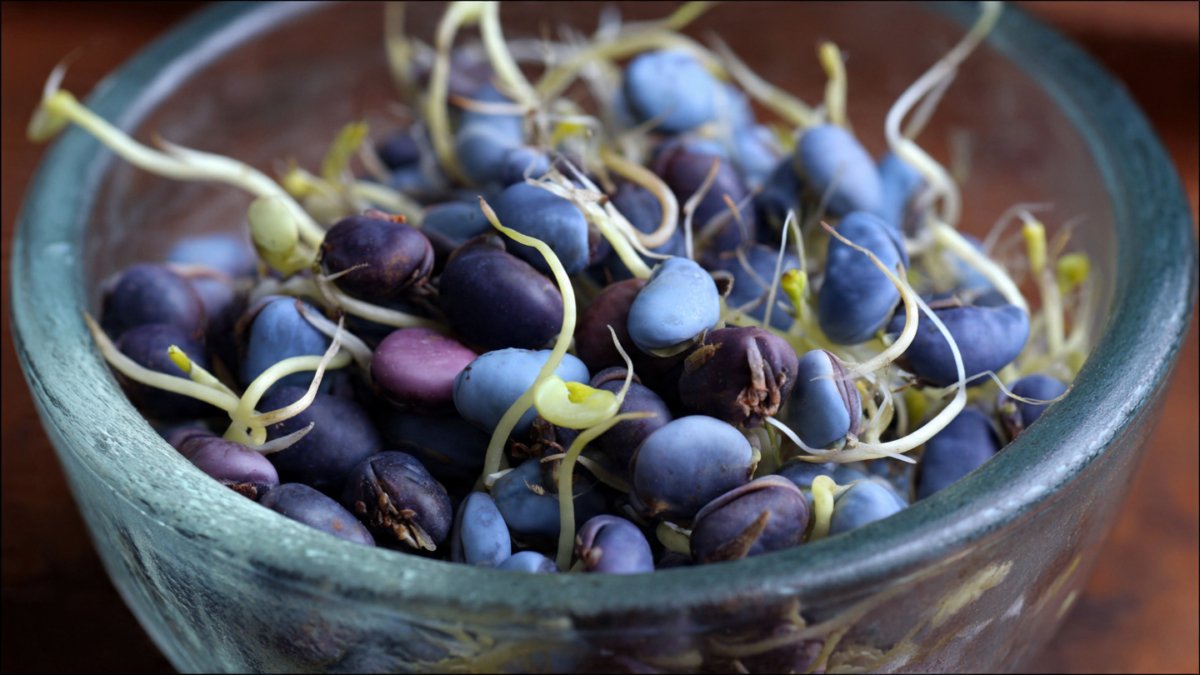
Blue pea, also known as Clitoria ternatea, is a stunning flowering plant recognized for its vibrant blue petals, delicate structure, and numerous health benefits. Beyond its ornamental value, blue pea flowers are used to make teas, natural food coloring, and herbal remedies. Growing this beautiful plant at home can be highly rewarding, but success depends largely on seed germination. Many gardeners struggle with slow or uneven sprouting, but with the right methods, you can achieve fast and successful blue pea seed germination at home. In this guide, we’ll explore simple steps, essential tips, and practical strategies to help your seeds sprout quickly and grow into healthy plants.
Understanding Blue Pea Seeds
Before diving into germination techniques, it’s essential to understand the nature of blue pea seeds. They have hard, thick seed coats that naturally protect the embryo inside. While this is beneficial in the wild, it can slow down germination when grown at home. Knowing the characteristics of the seeds helps in choosing the right method to encourage faster sprouting.
Key facts about blue pea seeds:
- Dormancy: Many blue pea seeds have natural dormancy due to their tough coat.
- Viability: Fresh seeds are more likely to germinate than old seeds. Ideally, use seeds harvested within the last year.
- Environment: Warmth, moisture, and proper aeration are critical for breaking dormancy.
Selecting High-Quality Seeds
Successful germination begins with high-quality seeds. Here’s how to pick the best ones:

- Check appearance: Healthy seeds are firm, plump, and dark-colored. Avoid shriveled or discolored seeds.
- Freshness matters: Fresh seeds generally sprout faster and more evenly.
- Source: Purchase seeds from reputable suppliers or harvest them from mature, healthy plants.
- Quantity: Plant extra seeds, as not all may germinate even under optimal conditions.
Preparing Seeds for Fast Germination
Because blue pea seeds have hard coats, pre-treatment is crucial. Pre-treatment helps water penetrate the seed, activating germination. There are several effective methods:
1. Soaking Method
- Place seeds in warm water for 12–24 hours before planting.
- Use a glass or bowl and avoid hot water, which can damage the embryo.
- After soaking, the seed coat softens, allowing faster root emergence.
2. Scarification Method
- Use sandpaper or a small knife to gently scratch or nick the seed coat.
- Avoid cutting too deep to prevent damaging the seed embryo.
- Scarification increases water absorption, dramatically improving germination speed.
3. Combination Approach
- For very old or tough seeds, combine soaking and light scarification.
- First, lightly sand the seed surface, then soak for 12 hours.
- This combination often yields the fastest and most uniform germination.
Choosing the Right Germination Medium
Blue pea seeds thrive in well-draining, nutrient-rich soil. Using the correct medium accelerates growth and minimizes the risk of rot or fungal issues. Recommended mediums include:
- Seed-starting mix: Light, airy, and nutrient-rich.
- Coco peat and vermiculite: Retains moisture while ensuring good aeration.
- Sandy loam with compost: Provides structure and nutrition for young roots.
Important tips:
- Avoid heavy clay soil, which retains too much water.
- Ensure the container or tray has drainage holes.
- Slightly moisten the medium before planting; it should be damp but not soggy.
Planting the Seeds
Proper planting depth and spacing are essential for healthy germination:

- Depth: Plant seeds about 0.5–1 inch deep. Too deep can delay sprouting; too shallow can dry out the seed.
- Spacing: If planting in trays, keep seeds 1–2 inches apart to prevent overcrowding.
- Cover lightly: Sprinkle a thin layer of soil over the seeds to maintain moisture.
- Label trays: Especially if planting different varieties or batches.
Creating the Optimal Environment
Blue pea seeds require warmth, moisture, and light for fast germination. Here’s how to create ideal conditions:
- Temperature: Maintain 75–85°F (24–29°C). Seeds germinate faster in warm conditions.
- Humidity: Cover trays with a clear plastic lid or plastic wrap to retain humidity. Ventilate daily to prevent fungal growth.
- Sunlight: Place trays in bright indirect light. Avoid direct sunlight, which can dry out the seeds.
- Consistency: Keep the soil consistently moist using a spray bottle or gentle watering.
Watering and Care During Germination
Proper watering is crucial for success:
- Avoid overwatering: Saturated soil can lead to rot or fungal infection.
- Mist gently: Use a spray bottle to keep the medium evenly moist.
- Check daily: Ensure the soil surface never dries out completely.
- Temperature maintenance: Avoid sudden temperature fluctuations, as cold or excessive heat can slow germination.
Monitoring Germination and Early Growth
Under optimal conditions, blue pea seeds typically sprout in 7–14 days, though some may take slightly longer. Signs of healthy germination include:
- Visible root tips pushing through the soil.
- Small green cotyledons emerging.
- Steady stem growth in seedlings after a few days.
For a time-lapse observation, take photos every day. This not only allows you to monitor progress but also provides a visual record of the remarkable transformation from seed to seedling.

Transplanting Seedlings
Once seedlings develop 2–3 sets of true leaves, they are ready for transplanting:
- Choose a larger container or garden bed: Ensure adequate space for root expansion.
- Prepare soil: Use fertile, well-draining soil enriched with compost.
- Transplant carefully: Avoid damaging delicate roots.
- Water gently: Settle the soil around the roots and maintain consistent moisture.
- Gradually acclimate to sunlight: If moving seedlings outdoors, gradually introduce them to full sun to prevent shock.
Tips for Rapid and Healthy Growth
After germination, nurturing the seedlings ensures strong and fast growth:
- Sunlight: Blue pea plants thrive in full sun for at least 6 hours per day.
- Fertilization: Use a balanced organic fertilizer every 3–4 weeks to support leaf and root growth.
- Support: For climbing varieties, provide a trellis or support to encourage vertical growth.
- Pest management: Watch for aphids or caterpillars. Neem oil sprays or insecticidal soap can help protect young plants.
- Pruning: Trim leggy or weak stems to promote bushier growth.
Troubleshooting Common Problems
Even with careful planning, issues may arise during germination. Here’s how to address them:
- Seeds not sprouting: Likely causes include old seeds, low temperature, or dry conditions. Re-soak and maintain warmth and moisture.
- Mold or fungal growth: Overwatering or poor ventilation can lead to mold. Remove affected seeds and improve air circulation.
- Leggy seedlings: Caused by insufficient light. Move seedlings to brighter areas or use supplemental grow lights.
Benefits of Growing Blue Pea at Home
Successfully growing blue pea plants at home offers several advantages:

- Aesthetic appeal: Bright blue flowers enhance your garden or balcony.
- Health benefits: Flowers can be used to make teas rich in antioxidants.
- Educational value: Watching the transformation from seed to plant is fascinating and rewarding.
- Sustainable supply: Homegrown plants provide a steady source of seeds and flowers without depending on external suppliers.
Final Thoughts
Fast and successful germination of blue pea seeds at home is achievable with proper seed selection, pre-treatment, optimal planting conditions, and consistent care. By understanding the unique needs of these seeds—such as their hard coat and requirement for warmth and moisture—you can significantly reduce germination time and enjoy healthy, thriving seedlings.
Documenting growth through time-lapse photography or daily observation adds another layer of satisfaction, allowing you to see the magical transformation from tiny seed to vibrant plant. Whether for ornamental beauty, herbal use, or culinary experiments, blue pea is a rewarding plant to grow at home.
With patience, attention to detail, and the tips provided in this guide, you can achieve fast germination and strong growth, ensuring a flourishing blue pea plant that will bloom beautifully and provide enjoyment for years to come.


Leave A Comment