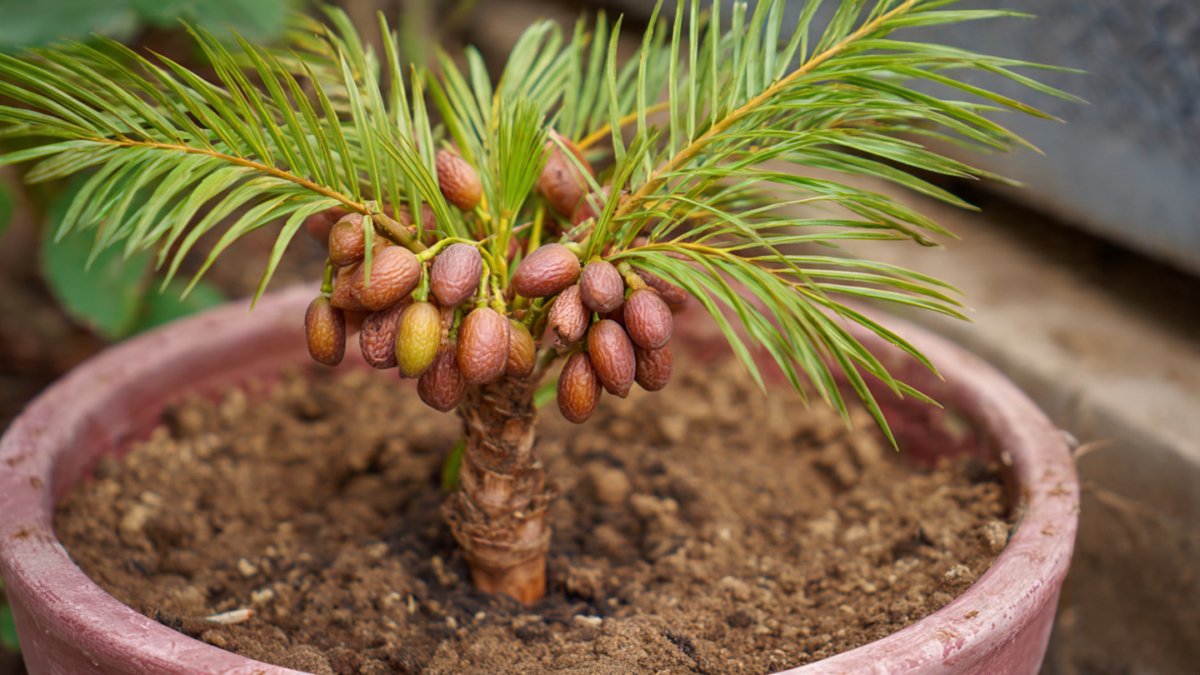
Date palms (Phoenix dactylifera) are iconic trees that not only enhance landscapes with their elegant fronds but also produce the sweet, nutrient-rich fruits cherished worldwide. While date palms are often purchased as saplings or mature trees, growing them from seed at home is an incredibly rewarding experience. Although it requires patience and consistent care, cultivating a date palm from seed allows you to witness the entire life cycle of this remarkable tree—from germination to full maturity. This comprehensive guide walks you through every step, providing practical tips to ensure successful growth and healthy development of your home-grown date palm.
Why Grow Date Palms from Seed?
Starting a date palm from seed has several advantages:
- Cost-Effective: Seeds are far less expensive than purchasing saplings, especially mature trees.
- Satisfaction: Watching a tree grow from a tiny seed to a towering palm is immensely gratifying.
- Adaptability: Seed-grown trees often develop stronger root systems and adapt well to local conditions.
- Genetic Diversity: Growing from seed allows you to explore different varieties and select for traits such as fruit size, flavor, and drought tolerance.
Although the process is slower than buying an established plant, the long-term reward of a thriving date palm makes it worthwhile.
Selecting and Preparing Seeds
The first and most crucial step is obtaining viable seeds:

- Choose Fresh, Mature Dates: Select seeds from fully ripened fruits. Fresh seeds have a higher germination rate than old, dried seeds.
- Clean the Seeds: Remove any fruit pulp, as remaining sugars can promote mold growth. Wash seeds thoroughly in water.
- Soak the Seeds: Soak cleaned seeds in warm water for 24–48 hours to soften the hard outer shell and encourage germination. Change the water daily to prevent bacterial growth.
- Optional Scarification: Lightly nick or sand the seed coat to speed up germination. This is helpful for especially hard seeds but must be done carefully to avoid damaging the embryo inside.
Proper seed selection and preparation dramatically increase the likelihood of successful sprouting.
Germinating the Seeds
Germination can be the most exciting stage, as it marks the beginning of life for your date palm. Follow these steps for best results:
- Choose a Container: Use small pots or seed trays with drainage holes. A well-draining medium is essential to prevent rot.
- Prepare the Medium: Mix equal parts of sand, perlite, and peat moss. This combination ensures moisture retention while allowing proper drainage.
- Planting Depth: Sow seeds about 1–2 cm deep, with the pointed end facing downward. Cover lightly with soil.
- Maintain Moisture: Keep the soil consistently moist but not waterlogged. Covering the container with a clear plastic bag can create a mini greenhouse, retaining humidity.
- Warmth and Light: Date seeds germinate best at temperatures between 25–30°C (77–86°F). Place the container in a warm, sunny location but avoid direct harsh sunlight, which may dry the soil.
Germination typically occurs within 4–8 weeks but can take up to 3 months for some seeds. Patience is key during this stage.
Caring for Seedlings
Once the seeds sprout, careful care is essential to ensure strong, healthy seedlings:

- Light: Provide bright, indirect sunlight for 6–8 hours daily. Gradually expose seedlings to more direct sunlight as they grow stronger.
- Watering: Keep the soil moist but avoid overwatering, which can cause root rot. Allow the top inch of soil to dry slightly between waterings.
- Fertilization: Use a diluted, balanced liquid fertilizer once the seedlings develop their first true leaves. Organic fertilizers, such as compost tea, are also effective.
- Transplanting: Once seedlings have 2–3 leaves and a strong root system, transplant them into individual pots to encourage further growth. Use a rich, well-draining soil mix for this stage.
Seedlings may look delicate initially, but with consistent care, they develop into robust young palms.
Growing Date Palms in Pots
For home growers, maintaining a date palm in a pot allows better control over soil, watering, and space:
- Pot Selection: Use deep containers to accommodate the long taproot. A pot at least 12–15 inches deep and wide is ideal for young plants.
- Soil Requirements: Use a mix of sandy loam, compost, and perlite for good drainage and nutrient content. Avoid heavy clay soils.
- Watering: Water deeply once the topsoil dries slightly. Reduce frequency during cooler months to prevent waterlogging.
- Fertilization: Apply a balanced fertilizer every 2–3 months during the growing season to promote healthy foliage and root development.
Potted date palms can remain indoors or on balconies, making them suitable for urban gardening and spaces with limited land.
Transplanting to the Ground
If you plan to grow your date palm into a full-sized tree, transplanting outdoors is the next step:

- Choose the Right Location: Full sun exposure is essential. Select a site with well-draining soil and protection from strong winds, which can damage young fronds.
- Spacing: Ensure a minimum distance of 20–25 feet between trees to allow ample room for growth and root expansion.
- Planting Hole: Dig a hole twice as wide and deep as the pot or root ball. Add organic matter such as compost to improve soil fertility.
- Transplanting: Gently remove the seedling from the pot, taking care not to damage roots. Place it in the hole, fill with soil, and water thoroughly.
- Mulching: Apply mulch around the base to retain moisture and suppress weeds. Keep mulch away from the trunk to prevent rot.
Transplanted date palms require careful monitoring during the first year to ensure establishment and adaptation to outdoor conditions.
Pruning and Maintenance
Date palms require minimal pruning, but certain practices enhance growth and fruiting in the long term:
- Remove Dead or Damaged Fronds: This prevents pest infestation and improves air circulation.
- Prune for Shape: Maintain a balanced canopy, especially in younger trees, to encourage strong structural growth.
- Pest Management: Watch for common pests such as spider mites, scales, and aphids. Neem oil or insecticidal soap can help control infestations.
- Disease Prevention: Ensure proper watering and avoid waterlogging to reduce fungal infections.
Regular observation and maintenance help ensure your date palm remains healthy and resilient.
Flowering and Fruiting
Date palms are dioecious, meaning male and female flowers grow on separate trees. For fruit production, you need at least one male tree for pollination:

- Pollination: In natural conditions, wind and insects aid pollination, but hand pollination increases fruit set. Collect pollen from male flowers and transfer it to female flowers during the flowering season.
- Time to Fruiting: Seed-grown date palms may take 4–8 years to bear fruit, depending on variety and growing conditions. Patience is essential.
- Fruit Care: Water regularly during fruiting to ensure large, sweet fruits. Protect fruits from birds and pests with netting if necessary.
Proper flowering and pollination practices ensure a bountiful harvest of delicious dates.
Tips for Successful Home Cultivation
- Patience is Key: Growing a date palm from seed is a slow but rewarding process. Celebrate each stage, from germination to seedling growth.
- Consistent Care: Regular watering, fertilization, and pruning ensure healthy development.
- Protection from Cold: Date palms are sensitive to frost. If growing in cooler climates, provide winter protection or keep young plants indoors.
- Gradual Sun Exposure: Acclimatize seedlings to outdoor sunlight gradually to prevent sunburn.
- Record Keeping: Track watering, fertilization, and growth stages to identify patterns and optimize care.
By following these practical tips, you can successfully cultivate a date palm from seed at home and enjoy its many benefits for years to come.
Conclusion
Growing a date palm from seed at home is both an art and a science. It requires attention to detail, patience, and consistent care, but the rewards are immense. From observing the tiny seeds germinate to nurturing seedlings into majestic trees and eventually harvesting sweet, nutrient-rich fruits, the journey is deeply satisfying. By selecting viable seeds, providing optimal growing conditions, and maintaining diligent care, you can cultivate a healthy date palm that thrives for decades. Whether you are a backyard gardener, a patio enthusiast, or an urban grower, this complete tree plant guide ensures that your date palm seeds have the best possible start, giving you a chance to enjoy one of nature’s most iconic and beneficial trees right at home.


Leave A Comment