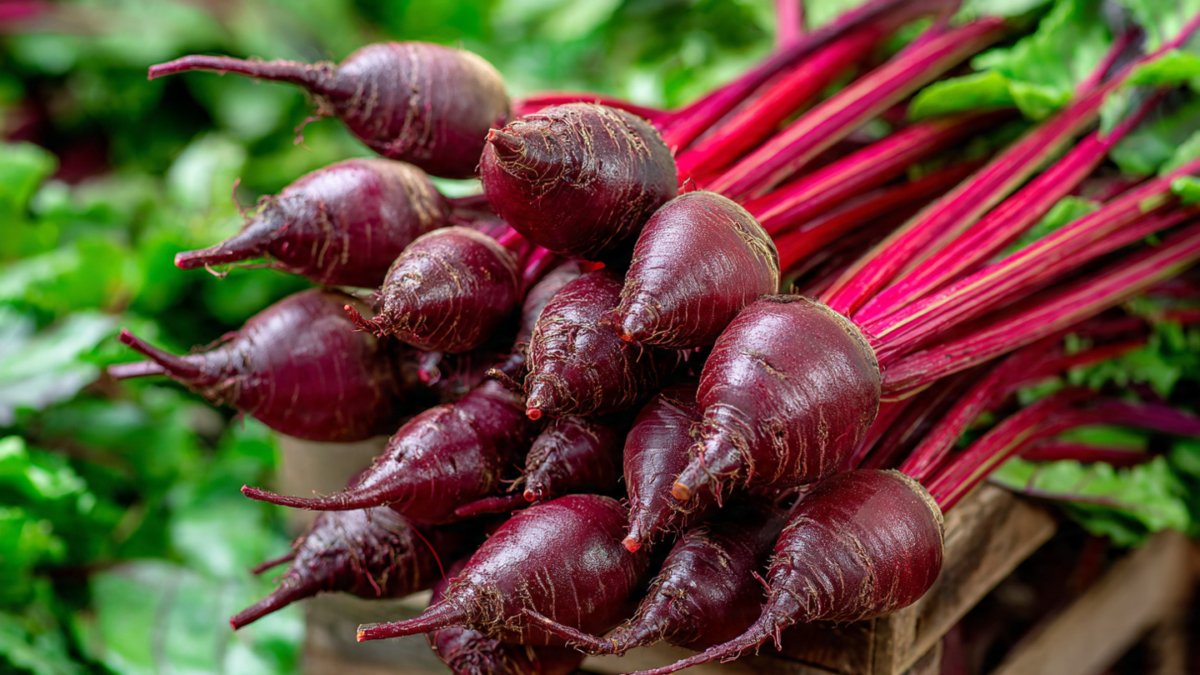
Beetroot is a versatile, nutritious vegetable beloved by home gardeners for its deep red color, earthy flavor, and impressive health benefits. While traditional round varieties are common, cylindrical beetroot offers a unique twist for gardeners looking to diversify their vegetable patch. Its elongated, uniform shape makes it perfect for slicing, roasting, or pickling, and it often produces higher yields in smaller spaces. Growing cylindrical beetroot at home is not only rewarding but also allows you to enjoy fresh, homegrown vegetables that elevate your culinary creations. In this guide, we’ll cover step-by-step tips to successfully cultivate cylindrical beetroot and achieve a thriving, productive garden.
Understanding Cylindrical Beetroot
Cylindrical beetroot, sometimes referred to as “long beet” or “Detroit Dark Red Cylinder,” is an elongated variety prized for its smooth texture and consistent shape. Unlike traditional round beets, the cylindrical type grows longer roots, which are ideal for uniform cooking and attractive presentation. Cylindrical beets are rich in vitamins A, C, and K, minerals like potassium and manganese, and powerful antioxidants such as betalains, which provide the vibrant red color and offer anti-inflammatory benefits.
This variety grows well in home gardens, raised beds, and even deep containers, making it a versatile choice for gardeners with limited space. With proper soil preparation, planting, and care, cylindrical beetroot can flourish in both temperate and subtropical climates.
Selecting the Right Location
Cylindrical beetroot requires a sunny spot that receives at least 6–8 hours of direct sunlight per day. Adequate sunlight ensures strong, healthy growth and vibrant root color. Beetroot also prefers cooler weather; temperatures between 50°F and 75°F (10°C–24°C) are optimal. In hot climates, consider planting in partial shade to prevent bolting, which can lead to woody or bitter roots.

Soil quality is crucial for cylindrical beetroot. It thrives in loose, well-draining soil that is rich in organic matter. Heavy clay or compacted soil can restrict root growth and result in misshapen or stunted beets. Raised beds or container gardening is an excellent solution for maintaining soil depth and structure, especially for elongated root varieties.
Preparing the Soil
Proper soil preparation is the foundation for successful beetroot cultivation. Follow these steps to create ideal conditions for cylindrical beetroot:
- Loosen the Soil: Dig or till the soil to a depth of at least 12 inches to accommodate long roots. Remove stones, sticks, and debris that could obstruct growth.
- Add Organic Matter: Mix in compost, well-rotted manure, or leaf mold to improve fertility, moisture retention, and soil structure.
- Check Soil pH: Cylindrical beetroot prefers slightly acidic to neutral soil, with a pH range of 6.0–7.0. Adjust the pH with lime (if acidic) or sulfur (if alkaline) as needed.
- Ensure Drainage: Beets do not tolerate waterlogged conditions. Raised beds or mounded rows can help improve drainage and prevent root rot.
Choosing Seeds and Planting
Cylindrical beetroot is typically grown from seeds, which can be purchased from reputable seed suppliers. Look for fresh, high-quality seeds for maximum germination rates.
Planting Seeds
- Sowing Time: Sow seeds in early spring or late summer for a fall harvest. Cylindrical beets grow best in cooler weather.
- Spacing: Sow seeds about 1 inch deep and 2–4 inches apart in rows spaced 12–18 inches apart. Thin seedlings once they reach 2–3 inches tall, leaving the strongest plants spaced 3–4 inches apart. Proper spacing allows roots to grow straight and elongated.
- Watering: After sowing, water gently but thoroughly to keep the soil consistently moist. Avoid overwatering, which can lead to fungal diseases.
Direct Sowing vs. Transplants
Cylindrical beetroot is typically direct-sown, as it does not transplant well due to its long taproot. However, in colder climates, starting seeds indoors in biodegradable pots 3–4 weeks before the last frost date can give seedlings a head start. Transplant seedlings carefully without disturbing the roots.

Watering and Moisture Management
Consistent moisture is key to growing healthy cylindrical beetroot. Water deeply at least once or twice a week, depending on rainfall and soil type. The soil should remain damp but not soggy. Uneven watering can lead to split roots or tough, woody textures.
Mulching around the base of the plants with straw, leaves, or grass clippings helps retain moisture, regulate soil temperature, and suppress weeds. In hot weather, increased watering may be necessary to prevent bolting or stress.
Fertilization
Cylindrical beetroot benefits from a balanced nutrient regimen. Too much nitrogen promotes leafy growth at the expense of root development, while phosphorus and potassium support strong, healthy roots.
- Pre-Planting Fertilizer: Incorporate a slow-release balanced fertilizer into the soil before sowing.
- Side Dressing: Once seedlings are established, side-dress with compost or an organic liquid fertilizer every 3–4 weeks to provide additional nutrients.
- Avoid Excess Nitrogen: Excessive nitrogen can lead to long, leafy tops and underdeveloped roots, which is particularly important for cylindrical varieties.
Thinning and Care
Thinning seedlings is essential for cylindrical beetroot. Crowded plants compete for nutrients and space, resulting in misshapen or stunted roots. Thin seedlings when they are 2–3 inches tall, leaving 3–4 inches between plants.

Keep the garden bed free of weeds, which can compete for water and nutrients. Hand weeding is recommended to avoid damaging shallow roots. Regularly inspect plants for pests such as leaf miners, aphids, or flea beetles. Organic pest control methods, such as neem oil or insecticidal soap, are effective for home gardens.
Harvesting Cylindrical Beetroot
Cylindrical beetroot is typically ready for harvest 50–70 days after sowing, depending on the variety and growing conditions. Harvest when roots reach 1–2 inches in diameter for optimal tenderness and flavor. Larger roots may become woody or less sweet.
To harvest, gently loosen the soil around the base and pull the roots straight out to avoid breakage. Trim the tops to about 1 inch above the root to prevent bleeding during storage. Freshly harvested cylindrical beetroot can be stored in the refrigerator for up to two weeks, or pickled for long-term use.
Companion Planting and Crop Rotation
Cylindrical beetroot grows well alongside onions, lettuce, kale, and bush beans. Avoid planting near brassicas such as cabbage or broccoli, which can compete for nutrients.

Rotating crops each season prevents soil depletion and reduces the risk of pests and diseases. Avoid planting beets in the same location for consecutive years to maintain healthy soil.
Challenges and Solutions
While cylindrical beetroot is relatively easy to grow, gardeners may encounter some challenges:
- Misshapen Roots: Often caused by compacted soil or insufficient spacing. Prepare deep, loose soil and thin seedlings properly.
- Bolting: Premature flowering occurs in hot weather or stress conditions. Sow in cooler seasons and maintain consistent moisture.
- Pests: Aphids, leaf miners, and root maggots can affect beet growth. Use organic pest control measures and monitor plants regularly.
- Diseases: Fungal diseases such as powdery mildew or leaf spot can occur in humid conditions. Provide proper spacing, good air circulation, and avoid overhead watering.
Health Benefits of Cylindrical Beetroot
Cylindrical beetroot is not only visually appealing but also highly nutritious. It supports cardiovascular health, improves digestion, boosts immunity, and provides natural anti-inflammatory benefits. Beets are a natural source of nitrates, which may enhance blood flow and athletic performance. Including fresh, homegrown beets in your diet ensures maximum nutrient retention and flavor.
Conclusion
Growing cylindrical beetroot at home offers a unique gardening experience that combines visual appeal, nutritional benefits, and culinary versatility. By selecting quality seeds, preparing deep, fertile soil, maintaining consistent watering and nutrition, and providing proper care, gardeners can enjoy a successful harvest of elongated, tender roots.

Whether planted in raised beds, garden plots, or containers, cylindrical beetroot adds variety and excitement to your vegetable garden. Its striking shape, vibrant color, and delicious taste make it a standout addition, while the cultivation process provides a rewarding opportunity to connect with nature and enhance your home-grown food supply. With patience, attention to detail, and dedication, growing cylindrical beetroot can transform your garden into a productive and beautiful space, offering fresh, exotic vegetables for your table all season long.

Leave A Comment