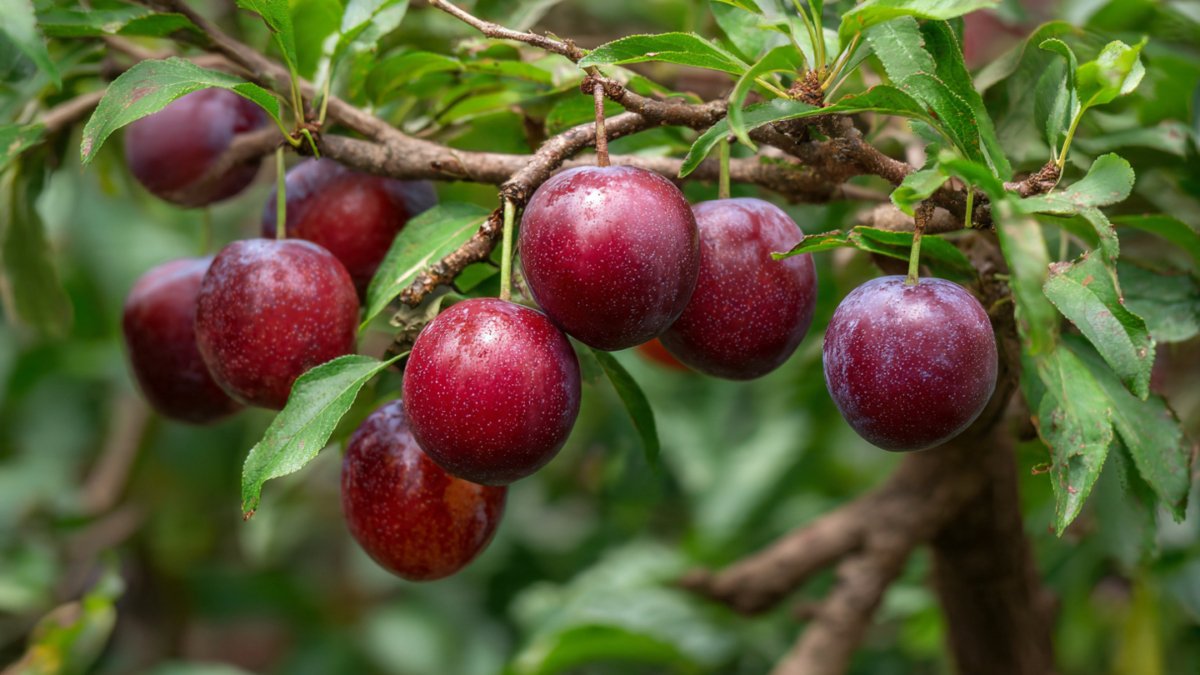
Growing plums at home can be a highly rewarding experience. These sweet, juicy fruits not only enhance your backyard or garden aesthetics but also provide fresh, healthy produce for your table. While plum trees are relatively low-maintenance compared to other fruit trees, producing a bountiful harvest requires careful planning, proper care, and attention to seasonal needs. Whether you are a beginner gardener or an experienced grower, this guide provides essential tips for successful plum fruit production in your home garden.
Why Grow Plums at Home?
Homegrown plums offer several benefits:
- Freshness and Flavor: Homegrown plums are far more flavorful and aromatic than store-bought varieties, which are often picked before ripening.
- Nutritional Value: Plums are rich in vitamins A, C, and K, antioxidants, fiber, and essential minerals like potassium, which support overall health.
- Cost Savings: Growing your own fruit reduces grocery bills, particularly if you enjoy seasonal plums regularly.
- Gardening Satisfaction: Cultivating a plum tree provides a sense of accomplishment, beautifies your garden, and attracts beneficial pollinators.
With the right knowledge, even a small backyard or container garden can yield a consistent supply of delicious plums.
Choosing the Right Plum Variety
Selecting the appropriate variety is crucial for successful fruit production. There are two main types of plums:

- European Plums (Prunus domestica): Typically grown in cooler climates. These plums are oval, firm, and excellent for fresh eating, canning, and drying. Common varieties include ‘Stanley’ and ‘Italian Prune.’
- Japanese Plums (Prunus salicina): Thrive in warmer climates, produce larger, juicier fruits, and ripen earlier than European varieties. Popular types include ‘Santa Rosa,’ ‘Methley,’ and ‘Beauty.’
When selecting a plum tree, consider:
- Climate Suitability: Check local hardiness zones to ensure your tree will thrive.
- Pollination Requirements: Some plum varieties are self-pollinating, while others require cross-pollination. Planting compatible varieties nearby increases fruit yield.
- Tree Size: Dwarf and semi-dwarf varieties are suitable for small gardens or container growing.
Planting Plum Trees
Proper planting ensures healthy growth and productive fruiting. Here’s what you need to know:
Location and Soil
Plums need:
- Sunlight: Full sun for at least 6-8 hours daily.
- Soil: Well-draining, fertile soil with a slightly acidic to neutral pH (6.0–7.0). Avoid heavy clay or waterlogged areas.
- Space: Standard plum trees need 15–20 feet of spacing, while dwarf varieties require 8–10 feet. Adequate spacing prevents competition for nutrients and allows proper air circulation.
Planting Process
- Dig a hole twice as wide and as deep as the root ball.
- Loosen the roots gently and place the tree at the same depth it was growing in the nursery.
- Backfill with soil, lightly tamping to remove air pockets.
- Water thoroughly after planting to help roots settle.
- Apply a 2-3 inch layer of mulch around the base, keeping it away from the trunk, to retain moisture and suppress weeds.
Watering and Fertilization
Plum trees require consistent care during their growth cycle:

Watering
- Young Trees: Water regularly, 1-2 times per week, to establish roots.
- Mature Trees: Deep watering every 10–14 days during dry periods is usually sufficient.
- Tips: Avoid overwatering, which can cause root rot. Mulch helps conserve soil moisture.
Fertilization
- Apply a balanced fertilizer (10-10-10) in early spring before new growth starts.
- Supplement with compost or well-rotted manure to improve soil fertility.
- Avoid high-nitrogen fertilizers during flowering, as excessive growth may reduce fruiting.
Pruning and Training Plum Trees
Pruning is essential for shaping the tree, improving air circulation, and increasing fruit production:
- Timing: Late winter or early spring, while the tree is dormant, is the best time to prune.
- Techniques:
- Remove dead, damaged, or crossing branches.
- Thin out crowded branches to allow sunlight to reach the inner canopy.
- Maintain a central leader or vase shape for better structure.
- Summer Pruning: Light pruning after fruiting can help control size and encourage lateral growth.
Proper pruning not only improves fruit size and quality but also reduces the risk of fungal infections.
Pollination and Flowering
Most plum trees require pollination to produce fruit. Here’s how to ensure successful pollination:
- Self-Pollinating Varieties: Some plums, like ‘Santa Rosa’ and ‘Methley,’ can set fruit without a second tree.
- Cross-Pollination: Plant compatible varieties nearby to improve yield. Bees and other pollinators play a crucial role in transferring pollen.
- Encouraging Pollinators: Plant flowering companion plants like lavender or marigold to attract bees.
Flowering occurs in early spring, and proper pollination during this period determines the quality and quantity of fruit.
Pest and Disease Management
Plum trees are prone to pests and diseases, but regular monitoring and preventive care can minimize problems:
Common Pests
- Plum Curculio: Small beetles that damage developing fruit. Handpick or use traps.
- Aphids and Scale Insects: Cause leaf curling and weaken the tree. Spray with insecticidal soap if necessary.
- Mites: Can reduce leaf health; maintain proper watering and remove infested leaves.
Common Diseases
- Brown Rot: Fungal disease that causes fruit decay. Prune affected branches, remove fallen fruit, and use fungicides if needed.
- Black Knot: Fungal growth on branches that should be pruned and destroyed.
- Leaf Spot: Affects leaves and reduces photosynthesis. Apply preventive fungicides and remove infected leaves.
Maintaining good air circulation, proper pruning, and cleanliness are key preventive measures.
Harvesting Plums
Knowing when to harvest ensures maximum flavor and sweetness:
- Timing: Plums are ready to harvest when they are fully colored, slightly soft to touch, and easily detach from the tree.
- Method: Gently twist or lift the fruit from the branch to avoid damaging stems.
- Frequency: Harvest regularly to encourage continued production and prevent overripe fruits from attracting pests.
Storing and Using Plums
- Short-Term Storage: Keep fresh plums at room temperature for a few days until fully ripe, then refrigerate to extend shelf life.
- Long-Term Storage: Freeze, dry, or can plums to enjoy throughout the year.
- Culinary Uses: Plums are versatile and can be eaten fresh, baked in pies, made into jams, or incorporated into savory dishes like sauces and glazes.
Tips for Maximizing Fruit Production
- Thinning Fruit: Remove small or excess fruits early in the season to allow remaining fruits to grow larger and healthier.
- Consistent Care: Water, fertilize, and prune regularly to maintain tree vigor.
- Protect From Frost: Late spring frosts can damage blossoms. Use frost cloths or cover young trees during cold snaps.
- Monitor Soil Health: Conduct soil tests periodically and amend as needed to maintain nutrient balance.
- Patience: Young trees may take 2–4 years to reach full fruiting capacity, so consistent care is key.
Final Thoughts
Plum trees are a rewarding addition to any home garden, offering beautiful blossoms in spring and a bountiful harvest of sweet, juicy fruits in summer. With careful variety selection, proper planting, consistent watering, balanced fertilization, pruning, and pest management, you can enjoy delicious, homegrown plums year after year.

Even if space is limited, dwarf and semi-dwarf varieties can be grown in containers on patios or balconies, making fresh plum fruit accessible to urban gardeners. By following these essential tips, you not only increase your chances of a successful harvest but also contribute to a sustainable and enjoyable gardening lifestyle.
Growing plums at home is more than just cultivating fruit—it’s about connecting with nature, practicing patience, and reaping the rewards of your hard work. Start with the right planning and care, and your garden will soon be filled with the sweet aroma and taste of homegrown plums.


Leave A Comment