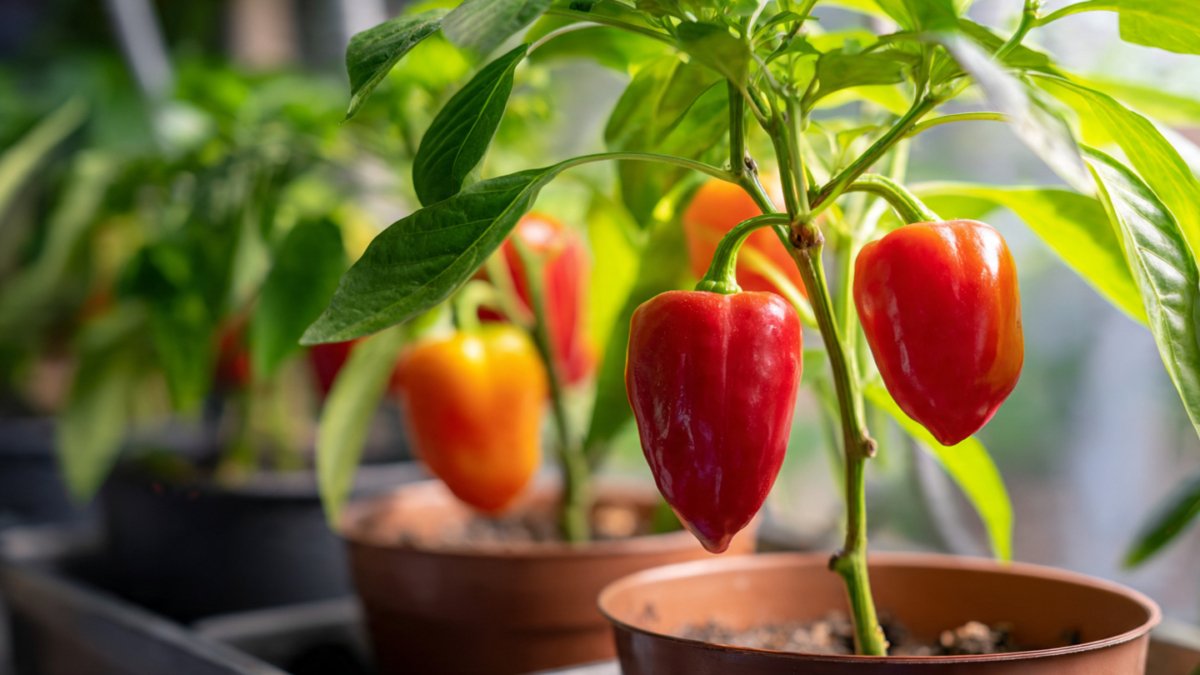
Peppers are one of the most versatile and rewarding plants to grow, offering vibrant colors, exciting flavors, and impressive nutritional benefits. Whether you love sweet bell peppers, fiery chili varieties, or unique specialty types, growing them indoors allows you to enjoy fresh, homegrown peppers year-round—without relying on seasonal availability or store-bought produce. While some gardeners may think peppers are tricky to cultivate indoors, the truth is that with the right approach, anyone can enjoy a successful indoor harvest. This guide will show you exactly how to grow peppers indoors efficiently, ensuring abundant crops and minimal stress.
Why Grow Peppers Indoors?
Before diving into the process, it’s important to understand why indoor pepper cultivation is a game-changer:
- Year-round harvests – Unlike outdoor gardens, indoor conditions allow peppers to thrive in all seasons. No more waiting for summer or worrying about frost.
- Pest and disease control – Indoor growth significantly reduces exposure to insects, fungal infections, and other common garden challenges.
- Space efficiency – Even small apartments or kitchens can accommodate container-grown peppers with proper planning.
- Better flavor and nutrition – Homegrown peppers often taste sweeter, spicier, and more vibrant than store-bought varieties because you control the growing environment.
With these benefits, growing peppers indoors becomes both practical and rewarding.
Choosing the Right Pepper Varieties for Indoor Growth
Not all peppers are equally suited for indoor cultivation. When selecting seeds or seedlings, look for varieties that are compact, bushy, and high-yielding. Here are some ideal options:
- Bell Peppers – Sweet, crunchy, and perfect for salads and cooking. Varieties like ‘Mini Bell’ or ‘Snack Pack’ are ideal for containers.
- Hot Peppers – Jalapeño, cayenne, or Thai chili peppers thrive in pots and produce well indoors.
- Compact or Dwarf Varieties – ‘Numex Twilight’ or ‘Bolivian Rainbow’ peppers are small, colorful, and suited for limited space.
Selecting the right variety ensures manageable growth and a consistent harvest.
Selecting the Right Containers
Choosing the right pot is essential for indoor pepper success:

- Use pots with a minimum depth of 10–12 inches for smaller varieties and 14–16 inches for larger peppers.
- Ensure adequate drainage holes to prevent waterlogging and root rot.
- Consider lightweight plastic or fiber pots for easy movement; terra-cotta pots are attractive but dry out faster, requiring more frequent watering.
A well-chosen container provides enough space for roots to grow, supporting healthy foliage and fruit production.
Soil and Growing Medium
Peppers prefer well-draining, fertile soil. For indoor growth, you can create a simple but effective soil mix:
- 1 part potting soil – Base medium that retains moisture and nutrients.
- 1 part perlite or sand – Improves drainage and prevents compacted roots.
- 1 part compost or organic matter – Supplies essential nutrients for robust growth.
Avoid heavy garden soil indoors, as it can retain too much water and harbor pests. The goal is a light, airy, nutrient-rich medium that supports strong root systems.
Germinating Pepper Seeds
If you’re starting peppers from seeds, follow these steps for a successful start:
- Soak seeds overnight – This softens the seed coat and speeds germination.
- Plant seeds ¼ inch deep in moist, warm soil.
- Provide consistent warmth – Maintain a temperature of 75–85°F (24–29°C) for optimal germination. A seedling heat mat can help.
- Keep soil lightly moist – Avoid overwatering, which can rot seeds.
Seeds typically germinate in 7–21 days depending on the variety. Once seedlings reach 2–3 inches tall, transplant them into larger pots to encourage strong root growth.
Light Requirements for Indoor Peppers
Light is one of the most critical factors in successful indoor pepper cultivation. Peppers require 12–16 hours of bright light per day to thrive and produce fruit. Here’s how to achieve this indoors:

- Sunny windows – South- or west-facing windows provide the most natural light.
- Supplemental grow lights – LED or fluorescent grow lights help maintain steady growth when natural light is insufficient.
- Keep lights 2–4 inches above seedlings, adjusting as plants grow to prevent stretching.
Consistent lighting prevents leggy growth, encourages strong stems, and promotes flowering and fruiting.
Temperature and Humidity
Peppers thrive in warm temperatures:
- Daytime: 70–80°F (21–27°C)
- Nighttime: 60–70°F (16–21°C)
They are sensitive to cold drafts and sudden temperature changes, which can stunt growth or cause flower drop.
Maintain moderate humidity (50–70%). Dry indoor air in winter can affect pollination and fruit set, so consider a humidity tray or occasional misting.
Watering Tips
Overwatering is a common mistake with indoor peppers. Follow these guidelines:
- Water when the top inch of soil feels dry.
- Avoid letting pots sit in stagnant water; drainage is crucial.
- Use room-temperature water to prevent shocking roots.
Proper watering encourages healthy roots and prevents nutrient deficiencies, ensuring continuous leaf and fruit growth.

Fertilizing for Continuous Growth
Indoor peppers benefit from regular feeding since nutrients in pots are limited. Minimal-effort fertilizing tips include:
- Balanced liquid fertilizer – Apply every 2–3 weeks once plants are established.
- High-phosphorus fertilizer – Boosts flowering and fruit production.
- Organic options – Fish emulsion or seaweed extract enriches soil naturally and supports healthy growth.
Avoid over-fertilizing, which can lead to excessive leaf growth at the expense of flowers and fruit.
Pollination Tips
Since indoor peppers don’t have natural pollinators, manual pollination ensures fruit set:
- Use a small brush or cotton swab to transfer pollen from flower to flower.
- Gently shake the plant or tap flowers to mimic wind movement.
- Pollination is most effective in the morning when flowers are fresh.
Manual pollination dramatically improves fruit yields indoors without requiring additional equipment.
Pruning and Maintenance
Pruning peppers helps maintain compact growth and encourages more fruit:
- Remove lower leaves and weak stems to improve airflow.
- Pinch off early flowers if the plant is young to direct energy toward root and leaf growth.
- Harvesting peppers regularly encourages continuous flowering and production.
Minimal pruning combined with proper care keeps your pepper plants productive and manageable indoors.

Harvesting Your Peppers
Patience pays off when growing peppers indoors. Here’s how to harvest successfully:
- Sweet bell peppers: Harvest when fully colored (red, yellow, or orange) for maximum sweetness.
- Hot peppers: Harvest when they reach desired heat; some varieties intensify in flavor as they ripen.
- Cut peppers with scissors or a sharp knife to avoid damaging stems.
Frequent harvesting encourages new fruit growth, allowing for a steady supply of fresh peppers year-round.
Common Problems and Solutions
Indoor pepper plants are relatively low-maintenance, but occasional issues may arise:
- Yellowing leaves – Usually due to overwatering or nutrient deficiency.
- Flower drop – Often caused by temperature stress, inadequate light, or low humidity.
- Pests – Spider mites and aphids can appear indoors; a neem oil spray is effective and safe.
Monitoring your plants regularly and adjusting care routines ensures healthy, productive growth.
Minimal Effort Routine for Indoor Peppers
To grow peppers indoors successfully with minimal effort, follow this weekly routine:
- Check soil moisture and water if dry.
- Ensure sufficient light and adjust grow lights if needed.
- Inspect for pests and treat immediately if necessary.
- Fertilize lightly every 2–3 weeks during active growth.
- Harvest mature peppers and prune lightly if required.
By dedicating less than 20 minutes per week, you can maintain thriving indoor pepper plants.

Final Thoughts
Growing peppers indoors is a practical, rewarding way to enjoy fresh, nutritious produce all year round. By choosing the right varieties, using appropriate containers, providing adequate light and warmth, and following simple care routines, you can achieve vibrant foliage, abundant flowering, and delicious peppers in your home.
Whether you’re looking to spice up your meals, enjoy colorful bell peppers, or grow exotic chili varieties, indoor cultivation provides control, consistency, and convenience. With minimal effort, you can create a thriving mini-pepper garden that produces fresh harvests regardless of the season.
Start today, follow these strategies, and transform your home into a pepper paradise, full of flavor, nutrition, and endless gardening satisfaction. Fresh peppers are just a pot away!

Leave A Comment