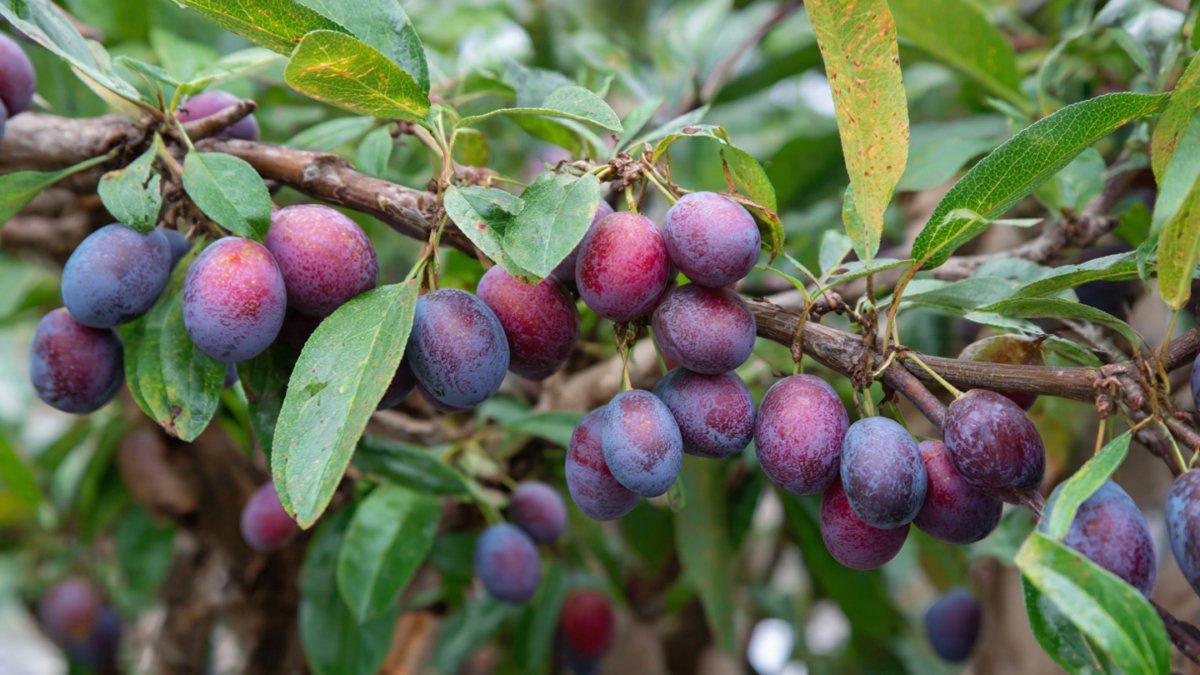
The Java plum tree (Syzygium cumini), also known as jamun, black plum, or Indian blackberry, is a tropical fruit tree prized not only for its sweet and tangy fruits but also for its medicinal properties. From supporting digestion to managing blood sugar, the benefits of jamun make it a favorite among gardeners and health-conscious individuals alike. However, achieving strong growth and uniform fruiting can be challenging, especially with conventional cultivation methods. Recent advances in horticultural techniques now allow gardeners and farmers to achieve high yields with healthier, more productive trees. This guide explains the new high-yield technique for growing Java plum trees, covering everything from site selection to pruning and fertilization for optimal results.
Understanding Java Plum Growth and Fruiting Patterns
Java plum trees are native to India and Southeast Asia and thrive in tropical and subtropical climates. The tree is hardy, drought-tolerant, and can grow in various soil types, although well-drained, loamy soil is ideal. Traditionally, fruiting can be inconsistent due to several factors: inadequate pollination, irregular pruning, nutrient imbalances, or environmental stress.
Uniform fruiting requires careful attention to tree health, structural growth, and flowering patterns. High-yield techniques aim to synchronize flowering, enhance fruit set, and improve overall productivity while maintaining tree health.
Selecting the Right Planting Material
The foundation of high-yield cultivation starts with the choice of planting material:
- Grafted Plants: Using grafted or budded saplings ensures uniform growth, early fruiting, and better fruit quality compared to seedlings. Grafted plants carry the genetic traits of the parent tree, making them more predictable in growth and yield.
- Seedlings: While seedlings are easier to source, they often show variability in growth and fruiting. If using seeds, select fresh, mature seeds from a healthy tree and treat them before sowing to enhance germination.
- Clonal Propagation: Advanced techniques like air layering or cutting propagation are also effective for producing uniform trees with predictable fruiting patterns.
Choosing high-quality planting material is the first step toward achieving consistent and abundant fruiting.

Site Selection and Soil Preparation
The success of Java plum cultivation depends significantly on the planting site. Here’s what to consider:
- Sunlight: Java plum trees require full sunlight for at least 6–8 hours a day. Adequate sunlight encourages flowering and fruit development.
- Soil: Well-draining, fertile soil is crucial. Loamy soil with good organic matter content works best. Avoid waterlogged areas, as excessive moisture can lead to root rot.
- Spacing: Maintain a spacing of 8–10 meters between trees in orchards to allow adequate air circulation, sunlight penetration, and root expansion.
Soil Preparation:
- Clear the area of weeds and debris.
- Dig planting pits 60x60x60 cm and fill them with a mix of topsoil, compost, and farmyard manure.
- Apply a basal dose of balanced fertilizer to support early growth.
Proper site preparation ensures a strong root system and healthy tree growth, laying the groundwork for high yields.
The High-Yield Technique: Step-by-Step
The new high-yield technique for Java plum trees combines careful pruning, nutrient management, irrigation, and flowering control to promote strong growth and uniform fruiting.
1. Training and Pruning for Structure
Pruning is vital for both tree health and fruiting:

- Initial Training: During the first 2–3 years, focus on developing a strong central leader with well-spaced lateral branches. Remove weak or crossing branches to reduce competition for sunlight.
- Annual Pruning: After the tree matures, prune after harvest to remove dead, diseased, or overcrowded branches. This encourages new shoots that will bear flowers and fruits.
- Canopy Management: Maintain an open canopy for better air circulation and sunlight exposure, which reduces fungal infections and improves pollination.
Well-structured trees not only produce more fruit but also make harvesting easier.
2. Nutrient Management
Balanced fertilization is essential for high yields:
- Nitrogen (N): Promotes vegetative growth and leaf development. Apply in split doses during the growing season.
- Phosphorus (P): Encourages root development and early flowering.
- Potassium (K): Enhances fruit quality and size, and improves disease resistance.
Application Schedule:
- For young trees: Apply 100–200 grams of NPK fertilizer per tree per year, divided into 2–3 doses.
- For mature trees: Increase to 500–800 grams per tree per year, split into 3–4 applications.
- Incorporate micronutrients such as zinc and boron, which are essential for flowering and fruit set.
Organic amendments, like compost and vermicompost, further improve soil fertility and tree vigor.
3. Irrigation Techniques
Although Java plum trees are drought-tolerant, proper irrigation enhances flowering and fruit set:
- Young Trees: Water regularly to keep the soil consistently moist during establishment.
- Mature Trees: Provide deep watering once or twice a week, depending on rainfall and soil type.
- Flowering and Fruiting Stage: Increase irrigation slightly to prevent flower drop and improve fruit size.
Drip irrigation is highly effective, providing uniform moisture, conserving water, and reducing disease risk.
4. Flowering and Fruiting Control
To achieve uniform fruiting, flowering should be synchronized:
- Pruning Before Flowering: Timely pruning stimulates the growth of new shoots that will flower.
- Application of Plant Growth Regulators (PGRs): In commercial orchards, low doses of PGRs can improve flowering and fruit retention.
- Pollination Support: Java plum is partially self-pollinating, but bees enhance fruit set. Maintain a pollinator-friendly environment.
Consistent management during flowering ensures higher fruit set and more uniform maturation.
5. Pest and Disease Management
Healthy trees produce better yields. Common pests include fruit flies, aphids, and mealybugs, while fungal diseases like anthracnose can affect fruits and leaves.
- Integrated Pest Management (IPM): Use neem oil, pheromone traps, or bio-pesticides to manage pests sustainably.
- Fungal Control: Apply copper-based fungicides or neem formulations as needed. Ensure proper pruning and spacing to reduce humidity in the canopy.
Proactive pest and disease control prevents yield losses and maintains fruit quality.

Harvesting and Post-Harvest Care
Java plum fruits typically ripen in 3–4 months after flowering. High-yield trees require careful harvesting to maximize quality:
- Harvest Timing: Pick fruits when they turn dark purple or black and are fully juicy. Early harvesting can reduce sugar content, while overripe fruits may spoil quickly.
- Handling: Handle fruits gently to prevent bruising, which reduces shelf life.
- Storage: Store in cool, dry conditions or refrigerate for short-term storage. For longer preservation, jamun can be frozen or processed into juice, jam, or wine.
Regular and careful harvesting ensures continued fruiting and reduces stress on the tree.
Benefits of the High-Yield Technique
Adopting this new high-yield method offers several advantages:
- Stronger Growth: Structured pruning and nutrient management lead to vigorous trees with deep roots and robust branches.
- Uniform Fruiting: Synchronizing flowering and careful irrigation result in more consistent fruit production.
- Higher Yield: Mature, well-managed trees can produce hundreds of kilograms of fruit per year, providing economic benefits for commercial growers.
- Improved Fruit Quality: Balanced fertilization and pest management enhance taste, size, and shelf life.
- Sustainability: Using organic amendments, drip irrigation, and IPM practices supports environmentally friendly cultivation.
Conclusion
Growing Java plum trees with strong growth and uniform fruiting is no longer left to chance. By following the new high-yield techniques—selecting quality planting material, preparing the soil, training and pruning properly, managing nutrients and irrigation, and controlling pests—gardeners and commercial growers alike can achieve impressive results. With patience, attention, and consistent care, your Java plum trees can thrive, offering abundant, high-quality fruits year after year.
Whether you are a backyard gardener or a commercial orchardist, embracing these modern cultivation practices ensures your Java plum trees are not only productive but also healthy and resilient, turning every harvest into a rewarding experience.


Leave A Comment