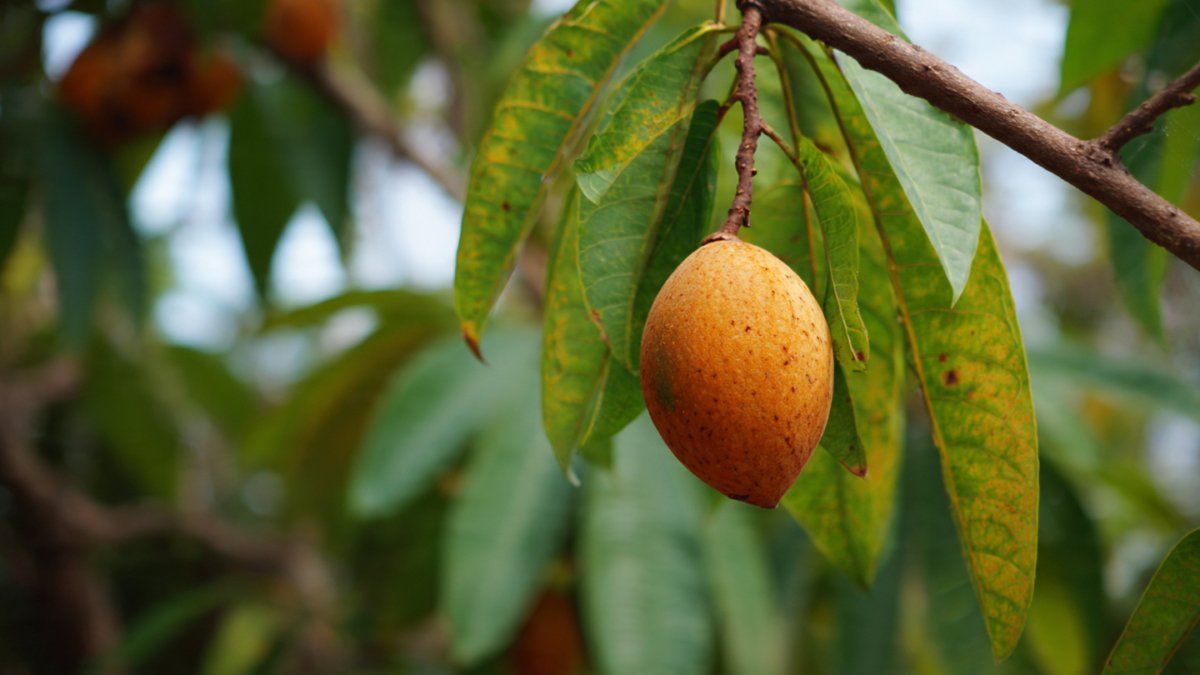
If you’ve ever wandered through a tropical market or admired a vibrant garden in a warm climate, you may have encountered the mamey fruit. With its striking reddish-orange flesh and sweet, creamy flavor, mamey (Pouteria sapota) is a tropical gem that has gained popularity for both its taste and nutritional benefits. But growing a mamey tree can seem daunting for beginners. This guide will walk you step by step through everything you need to know to successfully grow your very own mamey tree, from selecting the right variety to harvesting the fruit.
Why Grow a Mamey Tree?
Before diving into the practical steps, it’s worth understanding why mamey is worth growing. Native to Central America, mamey thrives in tropical and subtropical regions, producing large, nutrient-rich fruits that are high in vitamins A and C, potassium, and fiber. The fruit is versatile, ideal for smoothies, desserts, or eaten fresh. Beyond the fruit, mamey trees themselves are beautiful additions to any garden, providing shade and a lush tropical aesthetic. If you’re in a region with a suitable climate, growing mamey can be both rewarding and sustainable.
Choosing the Right Mamey Variety
Mamey trees can grow quite large, often reaching heights of 30 to 60 feet (9 to 18 meters). For beginners or those with limited space, dwarf or semi-dwarf varieties are ideal. These smaller trees are easier to manage and may bear fruit sooner. Some popular varieties include:
- Red Mamey – Known for its deep red flesh and sweet flavor.
- White Mamey – Slightly lighter in color, with a creamy texture and mild sweetness.
- Dwarf Mamey – Perfect for container growth or small yards; produces fruit faster than full-sized trees.
When selecting a variety, consider your space, climate, and fruit preference. Nurseries or reputable online seed suppliers often provide guidance on which cultivar is best suited for your area.

Starting from Seed or Sapling
There are two primary ways to start a mamey tree: from seed or from a young sapling.
Starting from Seed
Starting from seed is cost-effective but requires patience. Fresh seeds germinate best, ideally planted within a week or two of harvesting the fruit. To grow a mamey from seed:
- Clean the seed: Remove any remaining fruit pulp, as it can harbor mold.
- Soak the seed: Soak in water for 24 to 48 hours to soften the hard outer shell and improve germination.
- Planting: Use a well-draining soil mix. Plant the seed 1 to 2 inches deep, with the pointed end facing down.
- Warmth and moisture: Keep the soil consistently moist and in a warm location (70–85°F or 21–29°C).
- Germination: Seeds can take 3–8 weeks to germinate, so patience is key.
Starting from Sapling
If you want quicker results, starting with a young sapling is ideal. Saplings are generally more resilient and can produce fruit in 3–5 years, compared to 5–7 years from seed. Choose healthy, disease-free saplings from a trusted nursery.
Selecting the Perfect Location
Mamey trees thrive in full sun, needing at least 6–8 hours of sunlight daily. They prefer well-draining soil and can tolerate slightly acidic to neutral pH levels (5.5–7.0). Avoid low-lying areas prone to waterlogging, as mamey trees are sensitive to root rot. If you live in a region with strong winds, consider planting your tree near a windbreak, as young trees can be vulnerable to damage.

Soil Preparation
Preparing the soil is crucial for a thriving mamey tree. Here’s a simple approach:
- Test your soil: Ensure it is well-draining and slightly acidic to neutral.
- Amend if necessary: Add organic compost or well-rotted manure to improve soil fertility.
- Planting hole: Dig a hole twice as wide and slightly deeper than the root ball of your sapling. This allows roots to spread easily.
- Drainage: If soil drains poorly, consider adding sand or gravel to enhance drainage.
Planting Your Mamey Tree
Whether starting from seed or sapling, proper planting techniques are essential:
- For seeds: Plant in deep containers initially, as mamey has a long taproot. Transplant to the garden after 12–18 months.
- For saplings: Place the sapling in the prepared hole, ensuring the top of the root ball is level with the soil surface. Fill in the hole with amended soil and water thoroughly.
- Mulching: Apply a 2–3 inch layer of mulch around the base, leaving a few inches around the trunk to prevent rot. Mulch retains moisture and suppresses weeds.
Watering and Fertilization
Mamey trees are moderately drought-tolerant once established but thrive with consistent moisture. Water young trees regularly to keep the soil slightly moist, especially during dry periods. Avoid overwatering, which can cause root rot.
Fertilization helps ensure healthy growth and fruit production:

- Use a balanced fertilizer (NPK 10-10-10) every 2–3 months during the first 2 years.
- As the tree matures, switch to a fertilizer with slightly higher potassium to support fruiting.
- Apply micronutrients like magnesium and iron if deficiencies appear (yellowing leaves may indicate iron deficiency).
Pruning and Tree Care
Pruning is not intensive for mamey trees but helps maintain shape and health:
- Remove dead or damaged branches: Improves airflow and reduces disease risk.
- Shape young trees: Encourage a strong central leader for structural stability.
- Fruit thinning: If the tree produces an excessive number of fruits, thin some out to encourage larger, sweeter fruits.
Watch for pests such as scales, mealybugs, and fruit flies. Organic insecticidal soap or neem oil works effectively for small infestations. Regularly inspect leaves and fruits for signs of damage.
Patience Pays Off: Flowering and Fruiting
Mamey trees are slow growers. Trees grown from seed may take 5–7 years to bear fruit, while saplings can yield in 3–5 years. Flowering typically occurs in spring, producing small, creamy-white flowers. Pollination is often by insects, so ensuring a garden environment that attracts pollinators can improve fruit set.
The fruit itself matures slowly, usually taking 8–10 months after flowering. A ripe mamey fruit will have a slightly soft texture when pressed gently and emit a sweet, fragrant aroma.

Harvesting Mamey Fruit
Harvesting at the right time is crucial for flavor. Unlike some fruits, mamey does not ripen well on the tree for long periods, so picking at the correct stage is important:
- Color: The skin darkens slightly as it approaches maturity.
- Texture: Slightly soft to the touch, not mushy.
- Ease of removal: Ripe fruits often detach easily from the stem with gentle twisting.
Once harvested, store the fruit at room temperature until fully ripe. Once ripe, it can be refrigerated for a few days or processed into jams, smoothies, or desserts.
Troubleshooting Common Problems
Even beginner gardeners can successfully grow mamey with a little vigilance. Here are some common issues and solutions:
- Yellow leaves: Could indicate nutrient deficiencies or overwatering. Test soil and adjust fertilizer.
- Fruit drop: Often caused by irregular watering or poor pollination. Maintain consistent moisture and encourage pollinators.
- Pest infestations: Use organic pest controls and maintain garden hygiene.
Patience is key. Mamey is a slow-growing tree, and early setbacks are common. With consistent care, the rewards are well worth it.

Growing Mamey in Containers
For gardeners without ample yard space, mamey can be grown in large containers:
- Choose a container at least 20–25 gallons with proper drainage holes.
- Use a high-quality, well-draining potting mix.
- Prune roots occasionally to manage size and transplant to a larger container as needed.
- Container-grown trees require more frequent watering and fertilization, as soil nutrients are depleted faster.
Final Tips for Success
- Start with quality seeds or saplings: Healthy starting material ensures better growth.
- Be patient: Mamey trees take time to bear fruit.
- Maintain consistent care: Watering, fertilization, and pest monitoring are crucial.
- Create a pollinator-friendly garden: Flowers attract bees, which improve fruit set.
- Protect from cold: Mamey is sensitive to frost. Use frost cloths or bring container trees indoors if temperatures drop.
Growing a mamey tree may require time, effort, and patience, but it is incredibly rewarding. The combination of lush tropical foliage and delicious, nutrient-packed fruits makes it a worthy addition to any garden. By following these beginner-friendly tips and understanding the needs of the tree, you can enjoy fresh mamey fruits straight from your garden for years to come.

Leave A Comment