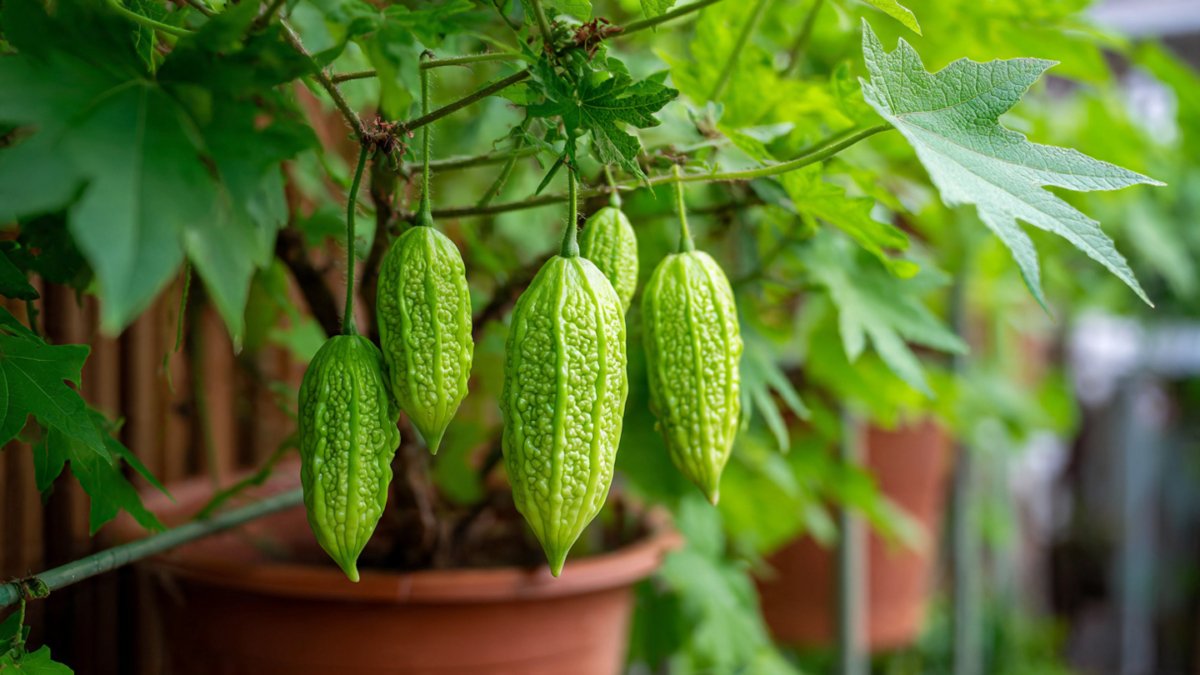
Bitter melon, also known as bitter gourd or Momordica charantia, is a tropical and subtropical vine widely celebrated for its distinctive bitter taste and remarkable health benefits. Rich in vitamins, minerals, and antioxidants, bitter melon has been used for centuries in traditional medicine, particularly for managing blood sugar levels and boosting immunity. While growing bitter melon in the ground is common, container gardening is becoming increasingly popular, especially for urban gardeners or those with limited space. One surprising but highly effective method involves using an ordinary paint bucket. This guide will take you step-by-step through growing bitter melon in a paint bucket, helping you achieve a high-yield harvest with minimal effort.
Why Choose Container Gardening for Bitter Melon?
Bitter melon thrives in warm climates with ample sunlight and well-drained soil. However, traditional gardening isn’t always feasible, particularly in urban areas with limited garden space or poor soil conditions. Container gardening solves these challenges while offering several advantages:
- Mobility – You can move containers to follow the sun or protect plants from heavy rain.
- Pest Control – Containers reduce exposure to certain soil-borne pests and diseases.
- Space Efficiency – Vertical growth can be trained with trellises, allowing multiple plants in small spaces.
- Soil Control – You can choose and maintain the ideal soil mixture for optimal growth.
A paint bucket is particularly well-suited for growing bitter melon because it provides adequate depth for root development, is inexpensive, and can be easily repurposed. Typically, a 5-gallon bucket works best, but slightly larger or smaller sizes can also be used depending on your available space.
Selecting the Right Paint Bucket
When choosing a paint bucket for bitter melon:
- Size: A 5-gallon (around 19 liters) bucket is ideal. It provides enough soil depth for roots to grow and ensures the plant remains stable as it climbs.
- Material: Plastic buckets work best because they are lightweight and retain moisture better than metal, which can overheat in the sun.
- Cleanliness: Make sure the bucket is clean and free of chemical residues. Old paint residues can be toxic to plants.
- Drainage: Proper drainage is critical. Drill at least 6–8 holes, each about 0.5 inches wide, in the bottom of the bucket. You can also make a few holes on the sides near the base to prevent waterlogging.
Preparing the Soil Mix
Bitter melon prefers well-draining, fertile soil rich in organic matter. A good soil mix for container growth includes:

- 2 parts garden soil or potting soil
- 1 part compost or well-rotted manure
- 1 part coco peat or perlite (for aeration and drainage)
Before adding the soil, place a layer of gravel or broken pottery at the bottom of the bucket. This improves drainage and prevents soil from blocking the holes. After filling the bucket with your soil mix, lightly water it to settle the soil before planting seeds or seedlings.
Choosing Seeds and Starting Plants
Bitter melon seeds are available at garden centers or online. There are various varieties ranging from small, thin-skinned types to larger, warty ones. Select a variety suitable for container growth; smaller varieties generally adapt better to pots.
Pre-Germination Tip:
Bitter melon seeds have a hard outer shell, which can delay germination. To improve success:
- Soak the seeds in warm water for 24 hours before planting.
- Optionally, gently nick the seed coat with a knife to help water absorption.
Plant the seeds about 1 inch deep in the prepared soil. If using seedlings, transplant carefully to avoid disturbing roots.
Providing Support for Vertical Growth
Bitter melon is a climbing vine that can reach 10–15 feet. For container growth, vertical support is crucial to maximize yield and save space. You can:

- Use a trellis: Bamboo sticks, wooden poles, or wire mesh attached to the bucket works well.
- DIY A-frame: Construct a small A-frame above the bucket for the vine to climb.
- Tie gently: Use soft strings or plant ties to guide young vines up the support.
Vertical growth ensures better air circulation, reduces fungal diseases, and makes harvesting easier.
Watering and Fertilization
Bitter melon loves consistent moisture, but waterlogging can rot the roots. Here’s a watering guide:
- Water deeply when the top inch of soil feels dry.
- During hot months, containers may dry quickly, so check daily.
- Avoid wetting the leaves directly to reduce fungal disease risks.
Fertilization is key for high yield:
- Use a balanced liquid fertilizer every 2–3 weeks.
- Alternatively, mix a slow-release organic fertilizer into the soil at planting.
- Once flowering starts, supplement with a phosphorus-rich fertilizer to encourage fruiting.
Mulching the top of the soil with straw or dried leaves helps retain moisture and reduces weed growth.
Sunlight and Temperature Requirements
Bitter melon thrives in full sun. Ideally, place the paint bucket where the plant receives 6–8 hours of direct sunlight daily.

Temperature plays a significant role:
- Optimal growth occurs between 75–85°F (24–29°C).
- Protect young seedlings from cold drafts or temperatures below 60°F (15°C).
- In extremely hot climates, provide some afternoon shade to prevent leaf scorch.
If you live in a region with short summers, start seeds indoors or use a greenhouse to give the plant a head start.
Pest and Disease Management
Growing bitter melon in containers reduces some pest pressure, but vigilance is still necessary:
- Aphids and whiteflies: Spray with mild soap solution or neem oil.
- Powdery mildew: Improve air circulation, avoid overhead watering, and remove affected leaves.
- Fruit flies: Cover fruits with mesh bags if infestation occurs.
Regular inspection of leaves and stems helps detect problems early and prevents widespread damage.
Flowering and Pollination
Bitter melon produces separate male and female flowers. Both are essential for fruit development:

- Male flowers appear first and usually in clusters.
- Female flowers develop slightly later and have a small swelling at the base, which becomes the fruit after pollination.
In container gardening, pollination may be limited due to fewer insects. Hand pollination ensures fruit set:
- Use a small paintbrush or cotton swab.
- Transfer pollen from male flowers to the stigma of female flowers.
- Repeat for several flowers to increase yield.
Harvesting Bitter Melon
Bitter melon matures quickly. Here’s how to harvest:
- Harvest fruits when they are green and firm, usually 8–12 weeks after planting, depending on the variety.
- Avoid overripe fruits; they turn yellow and become bitterer.
- Cut the fruit with a sharp knife to avoid damaging the vine.
Frequent harvesting encourages the plant to produce more fruits, leading to higher overall yield.
Maximizing Yield in a Single Bucket
Even a single paint bucket can produce impressive yields with proper care:
- Use trellising efficiently – Guide vines to grow vertically rather than sprawling.
- Prune sparingly – Remove older or damaged leaves to encourage new growth and improve airflow.
- Fertilize strategically – Use a balanced liquid fertilizer every 2–3 weeks to sustain fruiting.
- Monitor for stress – Containers dry faster, so adjust watering according to weather and plant needs.
With these practices, a single 5-gallon bucket can produce 8–15 bitter melons per season, sometimes even more under ideal conditions.

Tips for Urban Gardeners
Container-grown bitter melon is perfect for balconies, patios, or small gardens. Here are some practical tips:
- Use saucers under buckets to catch excess water and protect floors.
- Rotate containers occasionally to ensure even sun exposure.
- Grow companion plants like basil or marigold to repel pests naturally.
- Start early in spring to make the most of the growing season.
With creativity, even limited space can yield fresh, nutritious bitter melons.
Conclusion
Growing bitter melon in a paint bucket is a simple, cost-effective way to enjoy fresh, homegrown produce. With the right preparation—choosing the proper container, soil mix, support structure, and care routine—you can achieve high yields even in small spaces. From seed germination to harvest, container gardening provides control over soil quality, water, and sunlight, making it easier to cultivate healthy plants.
For urban gardeners or those exploring container gardening for the first time, bitter melon is an excellent choice. Its climbing habit makes it ideal for vertical gardening, while its nutrient-rich fruits offer both culinary and medicinal benefits. By following this high-yield container gardening guide, you’ll soon have an abundant supply of fresh, delicious bitter melons growing right from a humble paint bucket.

Leave A Comment