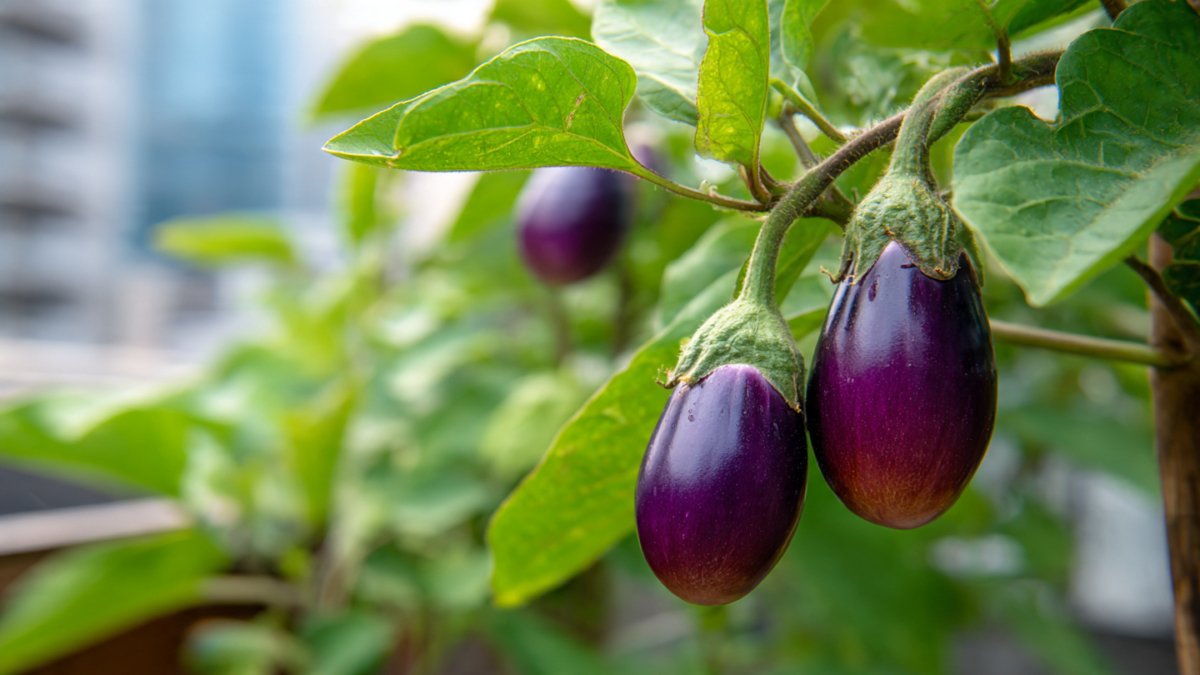
Eggplants, also known as aubergines, are a versatile and nutritious vegetable prized in cuisines around the world. From Italian eggplant parmesan to Asian stir-fries, their unique texture and flavor make them a kitchen favorite. For urban gardeners and beginners, growing eggplants at home might seem challenging, but with the right guidance, it can be an enjoyable and rewarding experience. This complete guide will help you understand everything you need to know to grow healthy, productive eggplants, whether you have a backyard garden, balcony, or even limited indoor space.
Why Grow Eggplants at Home?
Homegrown eggplants offer several advantages:
- Freshness and Flavor: Freshly picked eggplants are more flavorful and tender than store-bought ones.
- Nutritional Benefits: Eggplants are low in calories and rich in fiber, antioxidants, and essential vitamins such as B1, B6, and potassium.
- Cost-Effective: Growing eggplants at home can save money, especially if you frequently cook dishes that include them.
- Gardening Therapy: Gardening is known to reduce stress and improve mental health, making eggplant cultivation a relaxing hobby.
With these benefits in mind, let’s dive into the practical aspects of growing eggplants.
Choosing the Right Eggplant Variety
Eggplants come in different shapes, sizes, and colors. Choosing the right variety depends on your space, climate, and culinary preferences.

- Classic Purple Varieties: Popular in most kitchens, ideal for roasting, grilling, and frying.
- Asian Eggplants: Smaller, slender, and often more tender. Perfect for stir-fries and curries.
- White Eggplants: Mild in flavor and great for baking or grilling.
- Mini or Patio Varieties: Compact plants suitable for container gardening, perfect for balconies and small urban spaces.
For beginners, consider starting with a compact variety like ‘Patio Baby’ or ‘Fairy Tale,’ which are easier to manage in small spaces and containers.
When and Where to Plant Eggplants
Eggplants thrive in warm weather and need plenty of sunlight. Here’s what you need to know:
- Climate: Eggplants grow best in temperatures between 70°F and 85°F (21°C – 29°C). They are sensitive to cold, so avoid planting outdoors until the danger of frost has passed.
- Sunlight: Ensure your plants receive at least 6 to 8 hours of direct sunlight daily. In urban settings with limited sunlight, consider placing containers near south-facing windows or using grow lights indoors.
- Soil: Eggplants prefer well-draining, nutrient-rich soil with a pH between 5.5 and 7.2. Enriching soil with compost or organic matter helps promote strong growth.
Starting from Seeds or Seedlings
Eggplants can be grown from seeds or purchased seedlings. Both methods have pros and cons.
From Seeds
- Timing: Start seeds indoors 8-10 weeks before the last expected frost.
- Planting: Sow seeds ¼ inch deep in seed trays or small pots.
- Germination: Keep soil warm (around 75°F / 24°C) and moist. Seeds usually sprout in 7-14 days.
- Transplanting: Once seedlings have 2-3 true leaves and the outdoor temperature is consistently warm, transplant them into larger pots or the garden.
From Seedlings
Buying healthy seedlings from a nursery saves time and reduces the risk of poor germination. Choose plants with sturdy stems and deep green leaves.

Planting Eggplants in Containers or Garden Beds
Eggplants can be grown in traditional garden beds or containers. Both options are suitable for urban gardeners.
In Garden Beds
- Spacing: Plant eggplants 18-24 inches apart to allow airflow and prevent disease.
- Support: Install stakes or cages to support heavy fruit and prevent stems from breaking.
- Mulching: Use organic mulch to retain soil moisture and suppress weeds.
In Containers
- Pot Size: Use containers at least 12 inches wide and deep.
- Drainage: Ensure pots have drainage holes to prevent waterlogging.
- Soil Mix: Use a mix of potting soil, compost, and perlite for good drainage and nutrition.
- Fertilization: Fertilize container plants more frequently, as nutrients deplete faster than in garden soil.
Watering and Feeding Your Eggplants
Proper watering and fertilization are key to a productive harvest:
- Watering: Keep soil consistently moist but not waterlogged. Deep watering once or twice a week is better than frequent shallow watering.
- Fertilization: Eggplants are heavy feeders. Apply a balanced, slow-release fertilizer at planting and supplement with liquid fertilizer every 2-3 weeks during the growing season.
- Avoid Overwatering: Too much water can cause root rot and reduce fruit quality. Mulching helps retain moisture without overwatering.
Pollination and Pruning
Eggplants rely on pollination to set fruit, especially in container or indoor gardens where natural pollinators may be scarce.
- Hand Pollination: Use a small brush or gently shake flowers to help transfer pollen.
- Pruning: Remove yellowing leaves and pinch off early flowers to encourage stronger plant growth and larger fruit later.
Pest and Disease Management
Eggplants are susceptible to pests and diseases, but preventive measures can keep plants healthy:

- Common Pests: Aphids, flea beetles, and spider mites. Use neem oil or insecticidal soap if infestations occur.
- Diseases: Fusarium wilt, verticillium wilt, and powdery mildew. Ensure good air circulation, avoid overhead watering, and rotate crops annually.
- Organic Methods: Companion planting with basil or marigolds can help repel pests naturally.
Harvesting Eggplants
Knowing when to harvest is crucial for taste and texture:
- Size Check: Harvest eggplants when they reach their mature size (variety-dependent) but before seeds become hard.
- Glossy Skin: Fruits should be firm and shiny. Dull or wrinkled skin may indicate overripeness.
- Harvesting Method: Use a sharp knife or pruners to cut the fruit with a short stem, avoiding damage to the plant.
Frequent harvesting encourages continuous production throughout the season.
Storing and Using Homegrown Eggplants
Eggplants are best enjoyed fresh but can be stored for short periods:
- Storage: Keep in a cool, dry place or the refrigerator for up to a week.
- Cooking Tips: Slice, grill, roast, or stir-fry. Eggplants absorb flavors well and can be used in dips, curries, pasta dishes, and more.
Common Challenges and How to Overcome Them
- Blossom Drop: Often caused by temperature fluctuations or inadequate pollination. Hand pollinate flowers and maintain consistent watering.
- Bitter Taste: Overripe eggplants can be bitter. Harvest at the right size for the best flavor.
- Leggy Plants: Insufficient sunlight can cause elongated stems. Move containers to sunnier spots or use supplemental grow lights.
Urban Gardening Tips
Even in small urban spaces, eggplants can thrive:

- Vertical Gardening: Use trellises or cages to grow eggplants upward, saving space.
- Balcony Pots: Compact patio varieties fit well in balcony containers.
- Indoor Grow Lights: For apartments with limited sunlight, LED grow lights provide the energy plants need to flourish.
Urban gardeners can enjoy a steady supply of fresh eggplants all season long by combining smart planting strategies with regular care.
Final Thoughts
Growing eggplants at home is a fulfilling project for beginners and urban gardeners alike. With proper variety selection, soil preparation, watering, and pest management, even a small balcony or windowsill can yield a bountiful harvest. Eggplants not only enhance your culinary repertoire but also add greenery and life to your living space, creating a rewarding connection to nature.
Starting your eggplant garden may seem daunting at first, but with patience and attention to detail, you’ll soon enjoy the satisfaction of harvesting your own fresh, flavorful vegetables. Whether roasted, grilled, or fried, nothing beats the taste of an eggplant picked straight from your garden. So grab some seeds, prepare your pots or garden bed, and embark on a journey that will reward your taste buds, your health, and your gardening spirit.


Leave A Comment