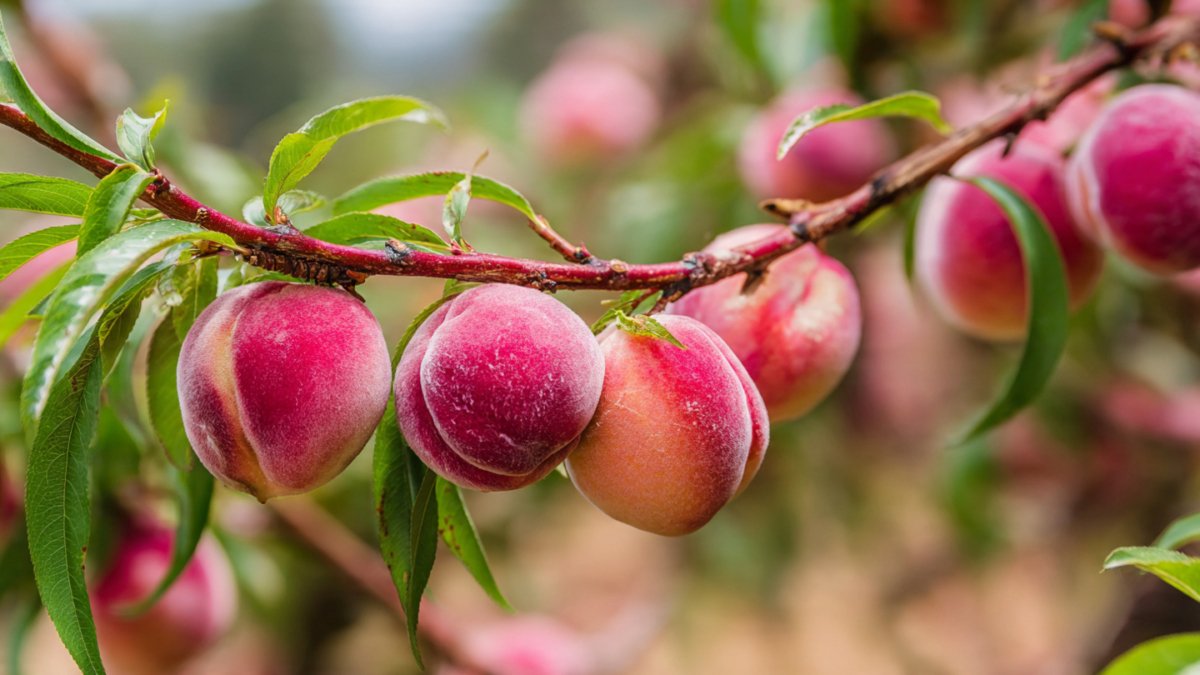
Growing a peach tree in your backyard is a dream for many gardeners. There is something uniquely rewarding about nurturing a young sapling into a thriving tree that produces sweet, juicy peaches year after year. Unlike many fruit trees, peach trees are relatively fast-growing and can produce fruit within 2 to 4 years if cared for properly. With the right soil, sunlight, pruning, and pest management, your backyard peach tree can become a centerpiece of both beauty and productivity. This complete guide will provide everything you need to know to grow a healthy peach tree and achieve optimal fruit production.
Choosing the Right Peach Variety
The first step to a successful backyard peach tree is selecting the right variety. Peaches are generally divided into two types: clingstone and freestone. Freestone peaches have pits that separate easily from the flesh, making them ideal for eating fresh. Clingstone peaches have flesh that clings to the pit and are better suited for canning or preserving.
Other factors to consider include:
- Chill Hours: Peach trees require a specific number of cold hours (usually between 300 and 900 hours below 7°C) to break dormancy and produce fruit. Choose a variety compatible with your local climate.
- Disease Resistance: Some varieties are bred to resist common peach diseases such as leaf curl and brown rot. Selecting resistant varieties reduces the need for chemical treatments.
- Dwarf vs Standard Trees: Dwarf trees reach 2–3 meters and are easier to maintain, while standard trees can reach up to 5 meters and often yield more fruit.
Popular backyard varieties include ‘Elberta,’ ‘Redhaven,’ and ‘Contender’ for freestone peaches, and ‘Belle of Georgia’ or ‘Glenglo’ for clingstone peaches.
Selecting the Perfect Location
Peach trees thrive in full sunlight, requiring at least 6–8 hours of direct sunlight daily. Choose a location that is well-drained and has good air circulation to prevent diseases. Avoid low-lying areas where frost pockets form, as late spring frosts can damage blossoms.
The soil should be slightly acidic to neutral, with a pH of 6.0 to 7.0. Sandy loam is ideal because it provides excellent drainage while retaining enough moisture for root growth. Avoid heavy clay soils, which can lead to waterlogging and root rot.

If your backyard space is limited, consider planting a dwarf variety in a large container. Ensure the container has good drainage and is positioned in full sun.
Planting Your Peach Tree
Timing is essential for planting peach trees. Early spring, just before the tree breaks dormancy, is the best time to plant. This allows the tree to establish roots before summer heat.
Steps to Planting:
- Dig a Hole: Make a hole about twice the width and equal depth of the root ball. This allows roots to spread easily.
- Prepare Soil: Mix the removed soil with compost or well-rotted manure to improve fertility.
- Plant the Tree: Place the tree in the hole, spreading roots carefully. The graft union (where the variety was grafted onto the rootstock) should be 5–10 cm above the soil line.
- Backfill and Water: Fill the hole with the enriched soil and water deeply to eliminate air pockets.
- Mulch: Apply a 5–10 cm layer of organic mulch around the base to retain moisture and suppress weeds, keeping mulch 10 cm away from the trunk.
Watering and Fertilization
Young peach trees need consistent watering to establish strong roots. Water deeply once or twice a week, depending on rainfall. Avoid frequent shallow watering, which encourages weak root systems.
Once established, peach trees require less frequent but deeper watering. Drip irrigation or soaker hoses work well to deliver water directly to the roots.
Fertilization is crucial for healthy growth and fruit production. Start fertilizing in early spring with a balanced fertilizer (10-10-10) or one specifically designed for fruit trees. Avoid over-fertilization, which encourages leaf growth at the expense of flowers and fruit.

A general guideline for young trees:
- Year 1: 1/2 cup fertilizer per tree, divided into two applications
- Year 2: 1 cup per tree, divided
- Year 3 and beyond: 1.5 to 2 cups, applied annually
Organic options include compost, well-rotted manure, and fish emulsion.
Pruning for Health and Fruit Production
Pruning is essential for maintaining shape, removing diseased or damaged wood, and improving fruit production. Peach trees produce fruit on one-year-old wood, so annual pruning ensures new growth for next year’s crop.
Pruning Guidelines:
- First Year: Select 3–4 strong scaffold branches and remove others. Cut back the central leader to encourage branching.
- Dormant Season: In late winter, remove dead, diseased, or crossing branches. Thin out the canopy to improve air circulation.
- Summer Pruning: Pinch off overly vigorous shoots that shade inner branches.
Pruning not only improves sunlight penetration but also reduces the risk of fungal diseases and promotes larger, sweeter fruit.
Pest and Disease Management
Peach trees are susceptible to a range of pests and diseases. Regular monitoring and early intervention are key to maintaining a healthy tree.

Common Pests:
- Peach Tree Borers: Larvae damage the trunk; remove affected bark and apply insecticidal treatments.
- Aphids: Feed on young leaves; control with insecticidal soap or neem oil.
- Plum Curculio: Lays eggs in fruit; use traps or protective netting.
Common Diseases:
- Peach Leaf Curl: Causes leaves to become distorted; apply copper fungicide in late winter.
- Brown Rot: Affects blossoms and fruit; remove infected fruit and spray fungicides during bloom.
- Powdery Mildew: White, powdery coating on leaves; treat with sulfur sprays or organic fungicides.
Maintaining proper spacing, pruning for airflow, and keeping the area clean are preventative measures that significantly reduce pest and disease problems.
Pollination and Flower Care
Peach trees are mostly self-pollinating, but planting more than one variety can improve fruit set. Bees and other pollinators play a critical role in transferring pollen from flower to flower.
Encourage pollinators by planting companion flowers such as lavender, sunflowers, or clover nearby. Avoid using insecticides during bloom to protect pollinator activity.
Healthy flowers are essential for fruit production. Remove any damaged or deformed blossoms to focus energy on stronger flowers that will develop into high-quality fruit.

Harvesting Peaches
Timing is key for harvesting peaches. Unlike some fruits that ripen after picking, peaches develop the best flavor when fully ripened on the tree.
Signs of Ripeness:
- Slightly soft when gently pressed
- Sweet fragrance
- Deep color, depending on variety
- Separation from stem occurs easily
Harvest in the morning when temperatures are cooler. Handle fruit gently to avoid bruising. Peaches can be eaten fresh, canned, frozen, or used in jams and desserts.
Winter Care and Protection
Peach trees are hardy but young trees are sensitive to frost. In colder regions, protect trees by:
- Wrapping trunks with tree guards
- Applying mulch to protect roots
- Using frost blankets during unexpected cold snaps
Proper winter care helps ensure that your tree survives the season and produces abundant fruit the following year.
Maximizing Fruit Production
To achieve optimal fruit production:

- Prune Annually: Encourage new fruiting wood each year.
- Fertilize Properly: Balanced nutrients promote flowers and fruit set.
- Control Pests and Diseases: Healthy trees produce more fruit.
- Water Consistently: Avoid drought stress during flowering and fruiting.
- Thin Fruit: Remove excess fruit when small to prevent overcrowding and increase the size of remaining peaches.
Following these steps ensures your backyard peach tree is productive and consistently yields sweet, juicy fruits.
Conclusion
Growing a backyard peach tree is both rewarding and manageable with the right approach. From selecting the perfect variety and planting location to pruning, fertilizing, and pest management, every step contributes to optimal fruit production. By combining patience, consistent care, and smart gardening practices, you can enjoy fresh, homegrown peaches that are sweeter and more flavorful than store-bought varieties.
A peach tree adds beauty, fragrance, and value to your backyard while providing a reliable source of delicious fruit. With this comprehensive guide, you are equipped to nurture your tree from a young sapling to a mature, fruit-bearing powerhouse. By investing in the right practices today, your backyard will reward you for years to come with a bountiful harvest of juicy, sun-kissed peaches.

Leave A Comment