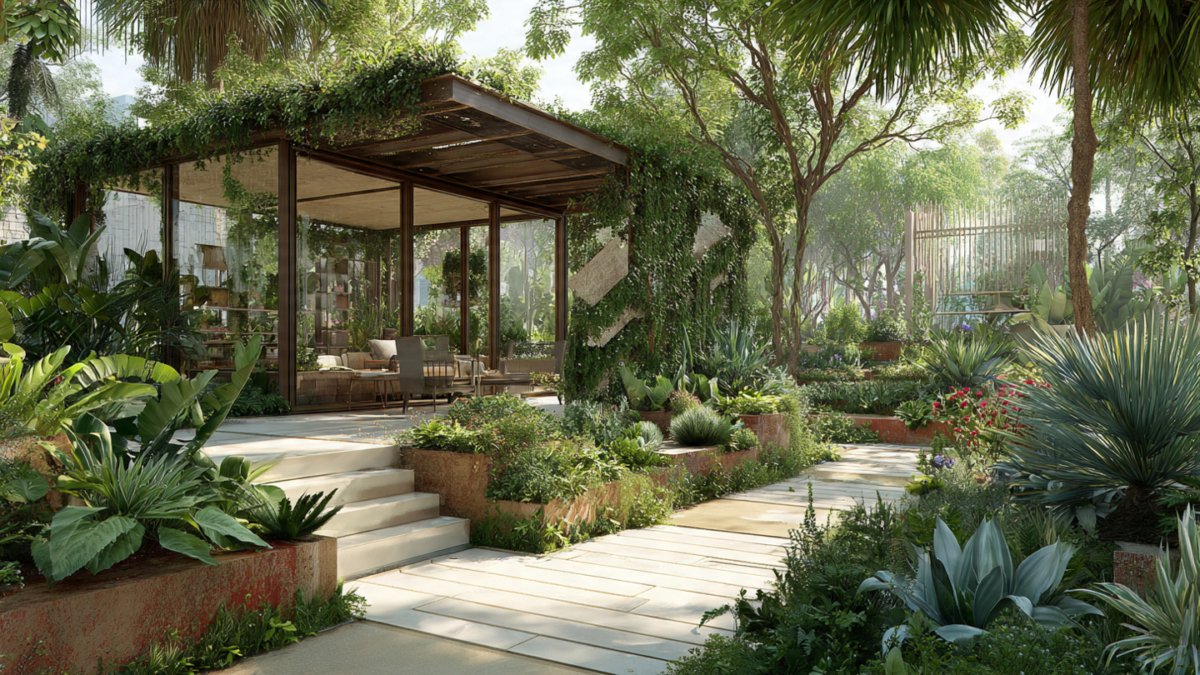
Gardening is evolving, and 2026 is shaping up to be the year of intelligent, sustainable, and creative outdoor spaces. Homeowners and garden enthusiasts are no longer satisfied with simple lawns and flower beds; they want gardens that reflect innovation, functionality, and aesthetic appeal. Whether you have a small balcony, a sprawling backyard, or a rooftop terrace, incorporating smart and imaginative gardening ideas can transform your outdoor space into a vibrant sanctuary. Here are ten intelligent and creative gardening concepts to inspire you this year.
1. Vertical Gardens for Small Spaces
Vertical gardening is one of the most practical and stylish ways to make the most of limited space. Using wall-mounted planters, trellises, or modular panel systems, you can grow flowers, herbs, or even vegetables without sacrificing floor area. Vertical gardens are not only space-efficient but also visually striking, adding layers of texture and greenery to your outdoor walls.
Consider integrating self-watering vertical planters or hydroponic vertical towers for low-maintenance gardening. These intelligent systems allow plants to receive the right amount of water and nutrients, making them perfect for busy gardeners or urban environments.
2. Smart Irrigation Systems
Water management is crucial in modern gardening, and smart irrigation systems are a game-changer for 2026. These systems use sensors and timers to monitor soil moisture, weather conditions, and plant requirements. By automatically adjusting watering schedules, they save water, prevent overwatering, and promote healthier plant growth.
For example, drip irrigation connected to a smartphone app can allow you to control your garden remotely. Intelligent irrigation not only conserves resources but also ensures that every plant receives optimal hydration, even during hot summer months.

3. Upcycled Planters and Eco-Friendly Decor
Sustainability is a major trend in modern gardening. Upcycling everyday items into creative planters gives your garden character while reducing waste. Think of using old pallets, tin cans, wine barrels, or plastic bottles to grow flowers, herbs, or small vegetables.
In 2026, eco-conscious gardeners are combining functionality with art. For instance, vertical bottle gardens or repurposed furniture planters add personality to your outdoor space. You can even paint and decorate containers to match your garden’s color palette, turning recycled materials into artistic focal points.
4. Edible Landscaping
Edible landscaping is a concept that merges beauty with practicality. Instead of only growing ornamental plants, integrate vegetables, herbs, and fruit-bearing shrubs into your garden design. Tomatoes, strawberries, lavender, and rosemary can be planted in visually appealing patterns, along pathways, or in raised beds.
This approach is both intelligent and sustainable. You gain fresh, homegrown produce while maintaining a stunning outdoor space. Companion planting can further enhance the garden’s productivity, as certain plants repel pests and improve soil health naturally.
5. Zen and Minimalist Gardens
Minimalist and Zen-inspired gardens are gaining popularity for their calming effects. These spaces focus on simplicity, clean lines, and natural elements such as stones, bamboo, and water features. Incorporating small sand or gravel areas, moss, and bonsai trees creates a serene atmosphere perfect for meditation or relaxation.

You can combine these minimalist features with a few vibrant plants to add life without cluttering the space. In 2026, the fusion of intelligent design with natural elements allows outdoor spaces to become functional extensions of your living area.
6. Interactive and Sensor-Based Gardening
The concept of interactive gardens is emerging strongly in 2026. Imagine plants that can “communicate” via sensors to alert you about soil health, humidity, or nutrient deficiencies. Smart plant sensors can track growth patterns and provide actionable feedback to help optimize care routines.
For families, interactive gardens can be educational. Children can learn about plant biology, ecosystems, and sustainability through engaging hands-on experiences. Integrating technology into your outdoor space makes gardening more intelligent, efficient, and engaging.
7. Raised Beds and Modular Gardening
Raised beds are not new, but modular raised bed systems are becoming increasingly popular. These beds allow you to customize the garden layout according to available space, sunlight, and plant type. They also improve drainage, soil aeration, and pest control.
In 2026, intelligent raised beds may include built-in compost systems, reservoirs for water retention, or adjustable heights for ergonomic gardening. Modular designs allow gardeners to expand or rearrange beds as needed, offering flexibility and creativity for dynamic outdoor spaces.

8. Pollinator-Friendly Gardens
Creating a garden that attracts pollinators is both ecologically intelligent and visually stunning. Bees, butterflies, and hummingbirds are essential for pollination and plant health. By planting pollinator-friendly flowers such as marigolds, lavender, coneflowers, and sunflowers, you support biodiversity while enhancing the garden’s aesthetic appeal.
Incorporating features like bee hotels, small water sources, and flowering shrubs encourages wildlife to visit your outdoor space. A pollinator-friendly garden contributes to a healthier ecosystem and produces more fruitful plants, especially if you grow vegetables and fruits.
9. Multi-Layered Planting and Mixed Gardens
Layering plants creates depth, texture, and visual interest. Mix tall plants with medium shrubs and low-growing ground covers. Incorporate climbing plants along fences and walls to maximize vertical space.
This creative approach not only enhances beauty but also creates microclimates that support plant growth. Taller plants can provide shade for delicate species, while ground covers prevent soil erosion and moisture loss. Multi-layered gardens are both intelligent and artistic, offering year-round visual appeal.
10. Seasonal and Rotational Planting
A thriving garden in 2026 is one that adapts to seasons and maximizes yield. Seasonal planting ensures that your garden remains colorful and productive throughout the year. Rotate crops and flowers to maintain soil fertility and reduce the risk of pests and diseases.

For instance, plant cool-season vegetables like lettuce and spinach in winter, and warm-season crops like peppers and melons in summer. Use companion planting strategies to enhance growth and natural pest resistance. Seasonal rotation is an intelligent practice that keeps gardens sustainable, productive, and attractive all year long.
Combining Technology and Creativity
The most inspiring gardens of 2026 combine technology, sustainability, and creativity. Smart irrigation systems, plant sensors, and modular raised beds enhance efficiency and reduce maintenance. At the same time, upcycled planters, vertical gardens, and pollinator-friendly designs add a unique visual and ecological dimension.
Even small spaces can become dynamic outdoor sanctuaries with thoughtful planning. By blending intelligent methods with creative aesthetics, home gardeners can enjoy gardens that are both functional and beautiful.
Benefits of Implementing Intelligent Gardening Ideas
Adopting these creative and intelligent gardening strategies offers multiple advantages:
- Sustainability: Reduces water usage, supports biodiversity, and encourages recycling.
- Health: Fresh produce improves diet, while green spaces promote mental wellness.
- Efficiency: Smart systems and modular designs save time and effort.
- Aesthetic Appeal: Creative designs and plant layering enhance visual interest.
- Learning Opportunity: Engages family members and children in environmental education.
Intelligent gardening is not just about beauty; it’s about creating an ecosystem that works in harmony with nature.

Tips for Beginners
- Start small: Focus on one or two creative ideas before expanding.
- Observe your garden: Note sunlight, wind patterns, and soil conditions.
- Maintain consistency: Water, fertilize, and prune regularly.
- Experiment: Combine different styles and plant types to see what works best.
- Use eco-friendly products: Compost, organic fertilizers, and natural pest controls improve sustainability.
By approaching gardening with patience and creativity, even beginners can transform their outdoor spaces into thriving ecosystems.
Conclusion
Gardening in 2026 is no longer limited to traditional flower beds. Intelligent, creative, and sustainable ideas are shaping outdoor spaces into dynamic, functional, and aesthetically pleasing environments. From vertical gardens and smart irrigation systems to upcycled planters and pollinator-friendly designs, homeowners now have a wide array of techniques to enhance their gardens.
By adopting these strategies, you can maximize space, reduce environmental impact, and enjoy fresh produce, flowers, and greenery all year long. Combining technology with creativity ensures that your garden is not only beautiful but also smart, sustainable, and full of life.
Whether you have a small balcony, a side yard, or a large backyard, these ten ideas provide inspiration for creating an outdoor sanctuary in 2026. Start today, experiment, and watch your garden transform into a vibrant, intelligent, and inspiring space.

Leave A Comment