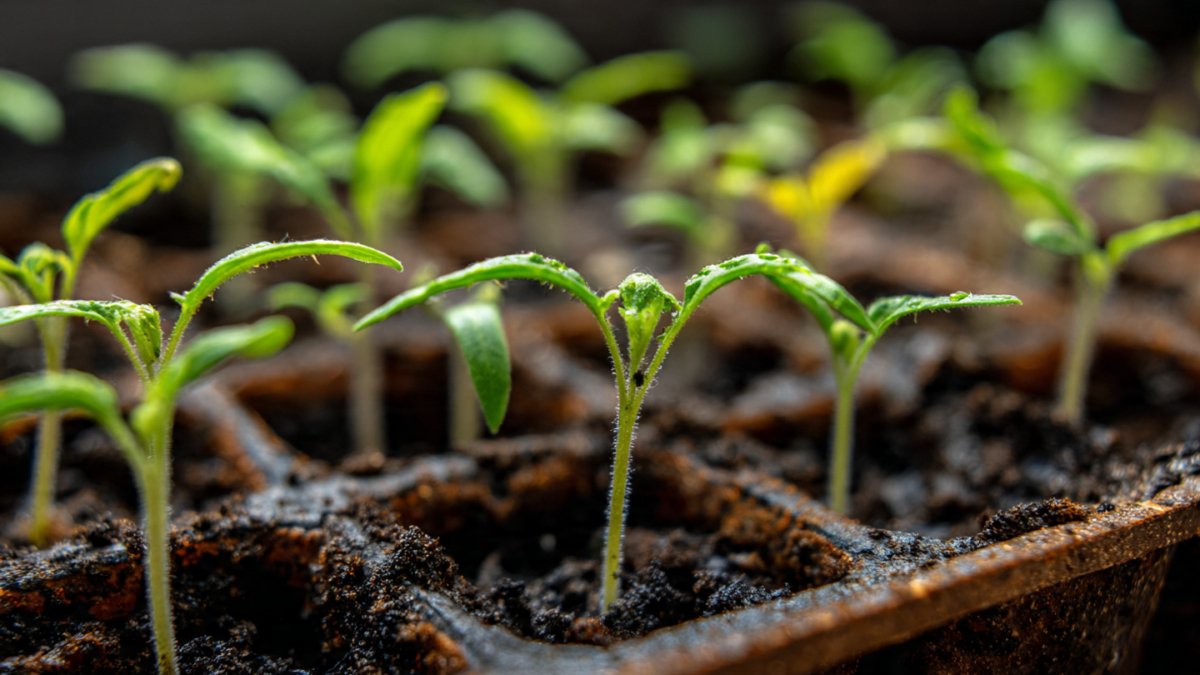
Tomatoes are one of the most popular and rewarding plants to grow at home. Bursting with flavor, packed with nutrients, and versatile in the kitchen, they are a staple in many gardens worldwide. However, the journey from tiny seeds to healthy, vibrant seedlings can be tricky for beginners. Germinating tomato seeds successfully requires patience, the right materials, proper care, and attention to environmental conditions. This complete guide will walk you through every step of the process, ensuring your tomato seeds sprout strong and healthy, setting the stage for a bountiful harvest.
Why Grow Tomatoes from Seeds?
Growing tomatoes from seeds offers several advantages over purchasing seedlings from nurseries:
- Variety Selection: Seeds allow you to choose from hundreds of tomato varieties, including heirlooms, hybrids, cherry, and beefsteak tomatoes. You can experiment with flavors, colors, and growth habits.
- Cost-Effective: Seeds are inexpensive compared to buying young plants, and a single packet can produce dozens of seedlings.
- Control Over Quality: Growing from seed ensures chemical-free, disease-free plants, particularly important for organic gardening enthusiasts.
- Learning Experience: For beginners, starting from seeds provides valuable insight into plant development, germination, and early care techniques.
Growing tomatoes from seeds also instills patience and a deeper connection to the gardening process, making the eventual harvest more satisfying.
Selecting Tomato Seeds
Choosing the right tomato seeds is crucial for germination success and eventual plant health. Consider the following factors when selecting seeds:
- Variety: Determine whether you want determinate (bushy, compact, good for containers) or indeterminate (vining, produces fruit over a long period) varieties.
- Climate Suitability: Some tomatoes thrive in cooler climates, while others need long, warm growing seasons. Check the seed packet for recommended zones.
- Disease Resistance: Many seeds are labeled with resistance codes for common tomato diseases like fusarium wilt, verticillium wilt, and nematodes. Choosing resistant varieties reduces early challenges.
- Heirloom vs Hybrid: Heirloom seeds offer unique flavors and characteristics but may require more care, while hybrids are often hardier and more uniform.
Always purchase seeds from reputable suppliers to ensure high germination rates and avoid contaminated or old seeds.

Preparing Materials for Germination
Successful germination starts with having the right materials on hand. You will need:
- Seed Trays or Small Pots: Shallow containers with drainage holes work best.
- Seed-Starting Medium: Use a fine, well-draining, sterile seed-starting mix rather than garden soil. This prevents disease and promotes healthy root development.
- Labels: To keep track of different varieties.
- Watering Tools: A spray bottle is ideal for gentle watering.
- Light Source: Natural sunlight from a south-facing window or a grow light for 12–16 hours daily.
- Humidity Cover: A clear plastic dome or bag to maintain moisture.
Having all these materials ready ensures a smooth germination process without unnecessary delays.
Pre-Soaking Tomato Seeds
Although optional, pre-soaking tomato seeds can improve germination rates and speed up sprouting. Soak seeds in lukewarm water for 4–6 hours before planting. This softens the seed coat and triggers the initial stages of growth. Avoid soaking for more than 24 hours, as prolonged exposure can damage seeds.
Planting Tomato Seeds
Planting seeds at the correct depth and spacing is essential for healthy sprouts. Follow these steps:
- Fill seed trays or small pots with seed-starting mix. Lightly moisten the soil before planting.
- Plant seeds about 0.5–1 centimeter deep. Too deep can hinder sprouting; too shallow can dry out quickly.
- Cover lightly with soil or vermiculite and press gently.
- Label each row or pot with the variety and planting date.
- Mist the surface lightly with water to avoid washing away seeds.
Maintain even spacing to prevent overcrowding. Overcrowded seedlings can compete for light, water, and nutrients, resulting in weak plants.

Optimal Conditions for Germination
Tomato seeds require specific environmental conditions to germinate successfully:
- Temperature: Keep the soil between 21°C and 27°C. Bottom heat from a seedling mat or warm location helps.
- Moisture: Soil should be consistently moist but not soggy. Use a spray bottle to avoid overwatering.
- Humidity: Covering trays with a plastic dome or bag retains moisture and creates a humid environment ideal for germination. Remove the cover once seedlings emerge.
- Light: Once seedlings appear, provide 12–16 hours of light daily. Natural sunlight may be sufficient, but fluorescent or LED grow lights work well indoors.
Consistent conditions are key. Fluctuating temperatures, dry soil, or poor light can result in slow germination, leggy seedlings, or mold growth.
Germination Timeline
Tomato seeds typically sprout within 5–14 days, depending on variety and conditions. Patience is essential. Avoid disturbing seeds during this stage, as the tiny sprouts are delicate.
Once seedlings emerge, remove humidity covers gradually to acclimate them to normal air conditions. This prevents “damping-off,” a fungal disease that can kill young seedlings.
Caring for Seedlings
After sprouting, tomato seedlings require proper care to grow strong and healthy:

- Thinning: If multiple seeds sprout in a single cell or pot, thin to one seedling per space to prevent competition.
- Watering: Maintain even moisture without overwatering. Allow the soil surface to dry slightly between watering.
- Light: Keep seedlings under bright light to prevent leggy growth. Rotate trays regularly if using natural sunlight.
- Fertilizing: After two weeks, apply a diluted liquid fertilizer once a week to provide essential nutrients.
- Air Circulation: Gentle airflow reduces fungal issues and strengthens stems.
Healthy seedlings are compact, dark green, and sturdy. Leggy, pale seedlings indicate insufficient light and need immediate adjustment.
Hardening Off
Before transplanting seedlings outdoors, they must be “hardened off” to adapt to outdoor conditions. Gradually expose seedlings to sunlight, wind, and varying temperatures over 7–10 days:
- Start with 1–2 hours of morning sunlight in a protected area.
- Increase exposure by 1–2 hours daily.
- Bring seedlings indoors at night initially.
- Reduce watering slightly to toughen stems and roots.
Hardening off reduces transplant shock and improves survival rates once seedlings are moved to the garden or larger containers.
Common Problems and Solutions
Even with careful preparation, tomato seedlings may face challenges:
- Damping-Off: Caused by overwatering and poor air circulation. Prevent by using sterile soil and avoiding excessive moisture.
- Leggy Seedlings: Insufficient light causes long, weak stems. Use grow lights or move trays to a sunnier location.
- Yellowing Leaves: May indicate nutrient deficiency or overwatering. Adjust watering and provide balanced fertilizer.
- Mold or Fungi: Occurs in overly humid conditions. Increase airflow and avoid wetting leaves.
Early detection and corrective action ensure strong, healthy seedlings ready for transplanting.

Transplanting Seedlings
Once seedlings develop 2–3 true leaves and are hardened off, they are ready for transplanting into larger pots or outdoor beds. Space them 45–60 centimeters apart to accommodate growth and airflow.
Bury seedlings up to the first true leaves to encourage strong root development. Water thoroughly after transplanting and provide partial shade for the first day or two if transplanting outdoors.
Tips for Success
- Keep a consistent schedule for watering and feeding seedlings.
- Monitor seedlings daily for signs of stress or pests.
- Rotate pots to ensure even growth.
- Avoid transplanting in extreme weather conditions.
- Record germination and growth timelines to improve future planting cycles.
By following these practices, beginners can maximize germination success and grow healthy tomato plants from seed to strong seedlings.
Conclusion
Germinating tomato seeds is the first critical step toward growing your own delicious, homegrown tomatoes. With the right seeds, proper soil, optimal environmental conditions, and attentive care, beginners can achieve high germination rates and strong seedlings. From soaking seeds to hardening off and transplanting, each stage lays the foundation for a thriving tomato plant capable of producing abundant, flavorful fruit.
Starting tomatoes from seed not only provides a greater variety and better control over plant health but also teaches valuable lessons in patience, observation, and sustainable gardening. By following this guide, you can confidently move from seed to sprout and enjoy the satisfaction of nurturing tiny seeds into vibrant, productive tomato plants in your garden or containers.

Growing tomatoes from seed is a journey that combines science, care, and creativity. Every sprout represents a successful start to a rewarding season of homegrown, fresh, and flavorful tomatoes that will elevate your cooking and your garden.

Leave A Comment