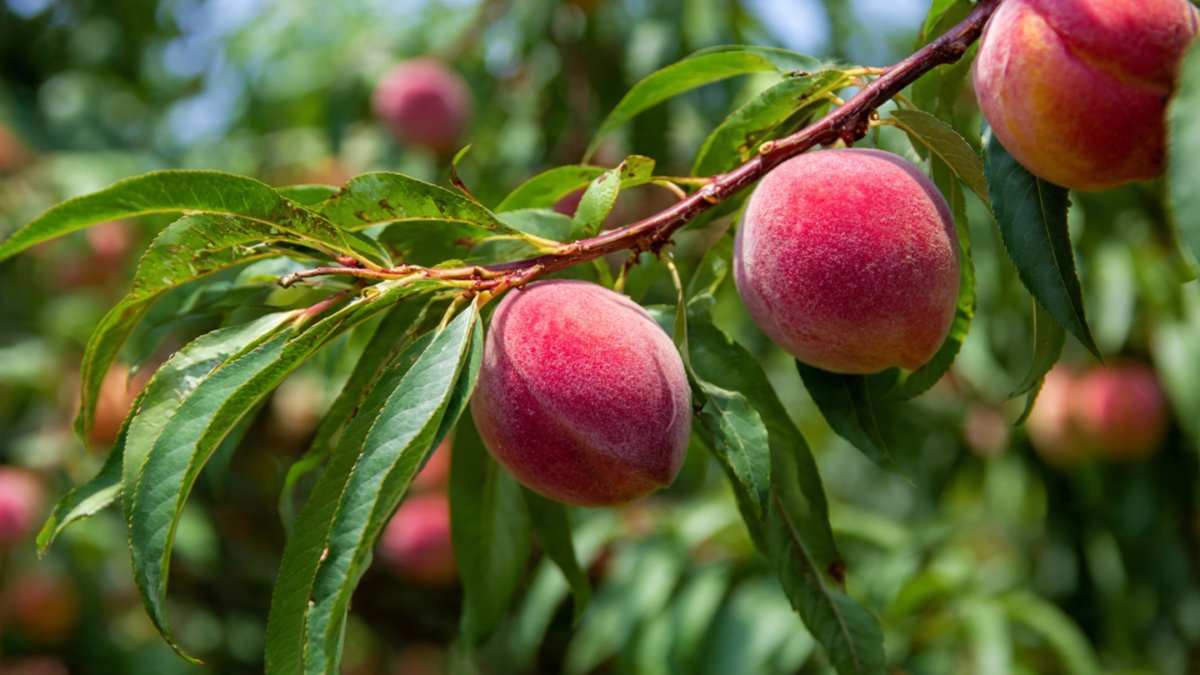
Peach trees are among the most rewarding fruit trees to grow in a backyard. Their beautiful spring blossoms, lush green foliage, and juicy, fragrant fruits make them a favorite for gardeners and home cooks alike. While buying peaches from the store is convenient, there’s something uniquely satisfying about nurturing a tree from a young sapling to a bountiful harvest in your own backyard. With patience, proper care, and the right knowledge, growing a peach tree can be an enjoyable and fruitful experience. This complete guide will take you through each step of growing a backyard peach tree—from selecting a sapling to harvesting your first sweet peaches.
Why Grow a Peach Tree in Your Backyard?
There are many reasons to grow a peach tree at home:
- Fresh, delicious fruit: Nothing compares to the taste and aroma of freshly harvested peaches.
- Educational opportunity: Gardening teaches patience, responsibility, and plant care.
- Health benefits: Peaches are rich in vitamins, antioxidants, and dietary fiber.
- Aesthetic appeal: Peach trees produce stunning blossoms in spring, enhancing your garden’s beauty.
- Cost savings: Growing your own fruit can reduce grocery expenses over time.
While growing a peach tree takes dedication, the rewards—both culinary and visual—are well worth the effort.
Selecting the Right Peach Tree Variety
Choosing the right variety is crucial for success. Peach trees are classified as either clingstone or freestone, based on how easily the flesh separates from the pit:
- Freestone peaches: The flesh separates easily from the stone. Ideal for fresh eating and canning.
- Clingstone peaches: The flesh clings to the pit. Often juicier and better for preserves or cooking.
Consider your climate as well. Peach trees require chill hours—a specific number of hours of temperatures between 32°F and 45°F—to set fruit. Low-chill varieties such as ‘TropicBeauty’ or ‘Flordaking’ work well in warmer regions, while standard varieties like ‘Redhaven’ or ‘Elberta’ are better for cooler climates.

Choosing the Ideal Location
Peach trees need full sunlight for at least six to eight hours a day. The right location is essential for healthy growth and abundant fruiting. Choose a site with:
- Well-draining soil: Avoid areas where water pools after rain.
- Air circulation: Proper airflow reduces the risk of fungal diseases.
- Sufficient space: Peach trees can grow 12–20 feet tall and wide, so provide room for growth.
Avoid planting near large trees or structures that cast shade. Peaches thrive in slightly acidic soil with a pH between 6.0 and 6.5. Conduct a soil test if you are unsure.
Planting Your Peach Sapling
Planting a young peach tree correctly sets the foundation for years of healthy growth.
- Dig a proper hole: The hole should be twice as wide and slightly deeper than the root ball.
- Amend the soil: Mix the native soil with compost or well-rotted manure to provide nutrients.
- Position the tree: Place the sapling in the hole so the graft union (a small bulge near the base) is slightly above the soil line.
- Backfill carefully: Fill the hole with soil, gently firming it around the roots to remove air pockets.
- Water thoroughly: Water deeply after planting to settle the soil and encourage root establishment.
Mulch around the base of the tree with 2–3 inches of organic material to conserve moisture and regulate soil temperature. Keep mulch a few inches away from the trunk to prevent rot.
Watering Your Peach Tree
Proper watering is vital, especially during the first few years of growth. Young trees need regular watering to establish deep roots.

- Water deeply once or twice a week, depending on rainfall.
- Avoid shallow or frequent watering, which encourages weak root systems.
- Reduce watering slightly during the dormant season but maintain some soil moisture.
Mulching helps retain moisture and reduces the frequency of watering. Always monitor soil moisture, as overwatering can cause root rot, while underwatering may stress the tree and reduce fruit production.
Fertilizing Your Peach Tree
Peach trees are moderately heavy feeders. Fertilization helps promote vigorous growth, flowering, and fruiting.
- First year: Use a balanced fertilizer (e.g., 10-10-10) sparingly to avoid burning young roots.
- Second year and beyond: Fertilize in early spring before new growth begins, and again after fruit set if needed.
- Avoid excessive nitrogen, which encourages leafy growth at the expense of flowers and fruit.
Organic options, such as compost or well-rotted manure, can also provide nutrients and improve soil structure over time.
Pruning and Training Your Peach Tree
Pruning is essential for shaping the tree, maintaining health, and encouraging fruit production.
- Formative pruning: In the first 2–3 years, focus on establishing a strong framework of branches. Remove weak, crossing, or damaged branches.
- Annual pruning: After the tree matures, prune in late winter or early spring before buds break. Remove crowded branches and thin out the canopy to improve light penetration and airflow.
- Fruit thinning: Thin peaches when they are small, leaving 6–8 inches between fruits. This improves fruit size and quality and prevents limb breakage.
Proper pruning ensures the tree maintains a manageable size and produces high-quality fruit.

Pest and Disease Management
Peach trees are susceptible to several pests and diseases, including:
- Peach leaf curl: Causes distorted, reddish leaves. Prevent with dormant-season fungicide sprays.
- Aphids and scale insects: Can weaken the tree; control with insecticidal soap or neem oil.
- Brown rot: Fungal disease affecting fruit; remove infected fruit and apply appropriate fungicide if necessary.
Regular inspection, proper pruning, and good sanitation practices can prevent most common problems. Healthy trees are naturally more resistant to pests and diseases.
Supporting Fruit Development
For strong, juicy peaches, ensure your tree receives:
- Adequate sunlight: At least 6–8 hours per day.
- Consistent watering: Especially during fruit development.
- Balanced nutrition: Avoid excessive nitrogen but provide phosphorus and potassium for flowering and fruiting.
Mulching around the tree and keeping the base free of weeds helps reduce competition for nutrients and moisture.
Harvesting Your Peaches
Timing is everything when harvesting peaches. Fruits are ready to pick when they:

- Develop full color (yellow, red, or blush depending on the variety)
- Yield slightly to gentle pressure
- Have a fragrant aroma
Peaches do not continue to ripen significantly after picking, so it’s best to harvest when fully mature. Handle the fruit gently to avoid bruising, and enjoy fresh peaches, preserve them, or use them in baking and cooking.
Additional Tips for Success
- Protect young trees: Use tree guards or fencing to prevent damage from animals.
- Monitor for frost: Young peach trees are sensitive to late frost, which can damage blossoms. Cover or protect trees during frost warnings.
- Rotate fertilization: Adjust nutrients based on soil tests and tree growth.
- Patience is key: Peach trees typically produce fruit within 2–4 years, depending on variety and conditions.
- Experiment with varieties: Different varieties can offer early or late harvests, extending your peach season.
Benefits of Growing a Peach Tree at Home
Growing a backyard peach tree provides numerous benefits:
- Fresh, chemical-free fruit: Enjoy peaches free from pesticides and preservatives.
- Aesthetic value: Peach trees brighten gardens with spring blossoms and lush foliage.
- Health benefits: Peaches provide vitamins A and C, antioxidants, and fiber.
- Educational: Teaches gardening skills, patience, and responsibility.
- Sustainability: Produces local, homegrown fruit, reducing environmental impact.
Final Thoughts
Growing a backyard peach tree is a fulfilling and rewarding journey. From planting a young sapling to harvesting sweet, juicy fruit, the process requires patience, care, and attention to detail. Proper site selection, soil preparation, watering, fertilization, pruning, and pest management are all crucial for success.
While peach trees may take a few years to reach full production, the experience of nurturing a tree and eventually enjoying its fruits makes the effort worthwhile. Beyond the delicious peaches, your tree provides shade, beauty, and a sense of accomplishment.
By following this guide, you can cultivate a thriving peach tree in your backyard, turning an ordinary piece of land into a productive and aesthetically pleasing orchard. With care, dedication, and time, your backyard peach tree will reward you with years of fragrant blossoms and sweet, succulent fruit.

This version is structured to be around 1200 words, beginner-friendly, and comprehensive, covering selection, planting, care, pest management, and harvest for a backyard peach tree.
If you want, I can also create a visual seasonal care timeline for peach trees, showing step-by-step care from planting to harvest, perfect for easy reference in a blog or guide.

Leave A Comment