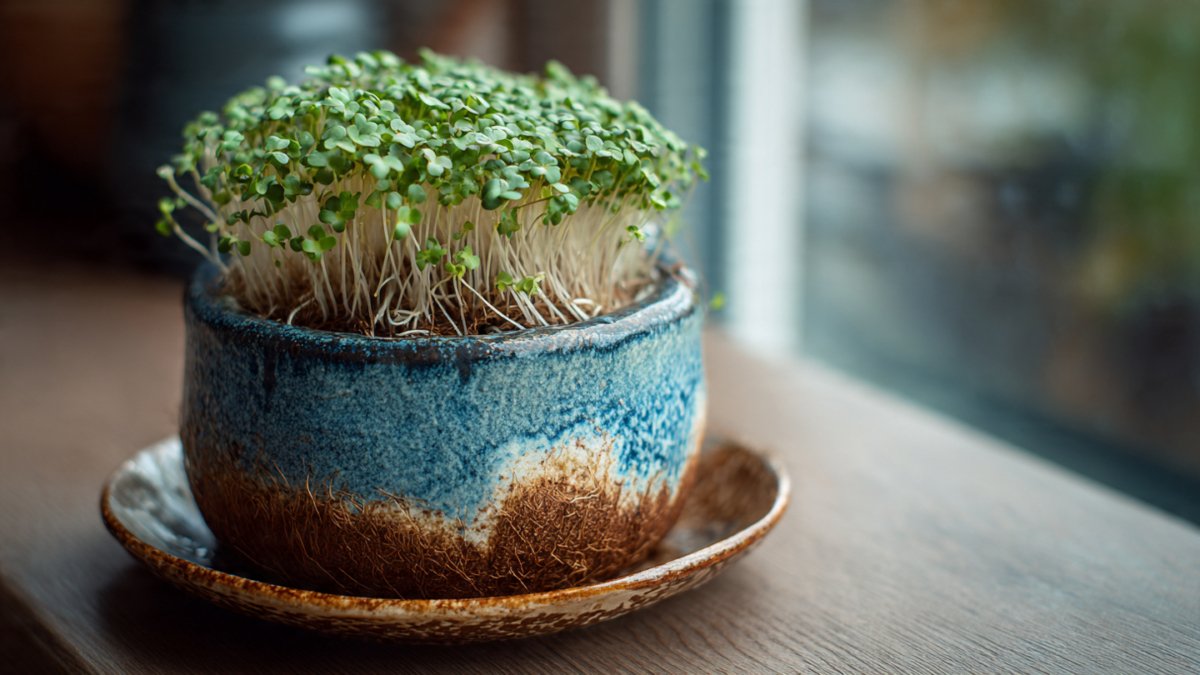
Growing fresh, nutritious greens at home doesn’t require a garden, fancy equipment, or even traditional soil. In fact, one of the easiest and cleanest ways to grow microgreens is by using coconut-based growing material. Whether you live in a small apartment, have limited sunlight, or simply want a low-maintenance gardening option, coconut fiber makes microgreen cultivation simple and accessible for everyone.
Microgreens are young vegetable greens harvested just days after sprouting. Despite their small size, they are packed with vitamins, minerals, and antioxidants. With coconut growing medium, you can enjoy fresh harvests year-round without dealing with messy soil. This guide explains how to grow microgreens super easily using coconut, even if you are a complete beginner.
What Are Microgreens and Why Grow Them?
Microgreens are young seedlings of vegetables and herbs harvested at an early stage, usually 7 to 14 days after germination. They are more mature than sprouts but younger than baby greens. Popular varieties include radish, mustard, broccoli, basil, pea shoots, sunflower, and coriander.
These tiny greens are considered nutritional powerhouses. Studies show that microgreens often contain higher concentrations of vitamins and antioxidants than fully grown vegetables. They add fresh flavor, color, and texture to salads, sandwiches, soups, and smoothies.
Growing microgreens at home saves money, reduces food waste, and ensures pesticide-free produce. With coconut growing material, the process becomes even easier and cleaner.
Understanding Coconut Growing Medium
Coconut growing medium, commonly known as coco peat or coco coir, is made from the husk of coconuts. It is a natural, renewable byproduct of the coconut industry and is widely used in modern gardening.
Coco peat has several advantages:
- It is lightweight and easy to handle
- It holds moisture well
- It provides good aeration to roots
- It is eco-friendly and biodegradable
- It is free from soil-borne pests and diseases
Unlike garden soil, coconut medium does not become compacted easily. This creates an ideal environment for delicate microgreen roots to grow freely.
Materials You Will Need
Before starting, gather a few simple supplies. Most of these items are affordable and easy to find.
You will need:

- Coconut peat or coco coir block
- Shallow growing tray or container
- Microgreen seeds
- Clean water
- Spray bottle
- Tray cover or plastic sheet (optional)
- Sunlit window or grow light
Recycled food containers, plastic boxes, or takeaway trays work well as growing trays. Just make sure they are clean and have drainage holes if possible.
Preparing the Coconut Medium
Coco peat is usually sold in compressed blocks. These blocks expand when soaked in water.
To prepare it:
Place the block in a bucket or large container. Add warm water slowly and allow it to absorb. Within minutes, it will expand into soft, fluffy material. Break it apart with your hands to remove lumps. Make sure it is evenly moist but not dripping wet.
If you are using loose coco coir, lightly moisten it before use.
Well-prepared coconut medium should feel like a damp sponge when squeezed.
Setting Up Your Growing Tray
Fill your tray with the prepared coconut medium to a depth of about 2 to 3 centimeters. Spread it evenly and gently press it down with your hands. Do not compress it too tightly, as roots need air spaces.
Level the surface so seeds can grow evenly. Uneven surfaces can cause patchy growth.
If your tray does not have drainage holes, be extra careful with watering to prevent water buildup.
Sowing Microgreen Seeds
Sprinkle seeds evenly over the surface of the coconut medium. Avoid overcrowding, but place them close enough for dense growth. Microgreens are meant to grow closely together.

Different seeds have different sizes, so adjust spacing accordingly:
- Small seeds like broccoli and mustard can be sown densely
- Large seeds like peas and sunflower need more space
After sowing, gently press seeds into the medium using your palm or a flat object. Do not bury them deeply. Most microgreen seeds need light contact with moisture rather than deep covering.
For some varieties, lightly sprinkling a thin layer of coco peat on top can improve germination.
Watering and Moisture Control
Watering is one of the most important steps in microgreen cultivation. Coconut medium holds moisture well, so overwatering can cause mold.
Use a spray bottle to mist the surface gently. The goal is to keep the medium moist, not soaked. During the first few days, mist 2 to 3 times daily if necessary.
Avoid pouring water directly onto seeds, as it may displace them. Gentle misting ensures even hydration.
If your tray has drainage holes, you can also water from the bottom by placing it in a shallow water tray for a few minutes.
Covering for Better Germination
Covering seeds during the first few days improves germination. You can use another tray, cardboard, or plastic sheet as a lid.
This creates a dark, humid environment that encourages seeds to sprout quickly. It also helps roots anchor into the coconut medium.
Keep the tray covered for 2 to 4 days, depending on the seed type. Check daily for sprouts. Once most seeds have germinated, remove the cover.

Providing Light
After sprouting, microgreens need light to grow strong and green. Place your tray near a sunny window where it receives indirect sunlight for at least 4 to 6 hours daily.
If natural light is limited, use LED grow lights. Position them about 20 centimeters above the plants and keep them on for 10 to 12 hours per day.
Without enough light, microgreens become thin and pale. Proper lighting ensures healthy growth and better nutrition.
Feeding and Nutrition
Coconut medium is mostly neutral and does not contain many nutrients. However, microgreens usually grow fast enough that they do not require additional fertilizer.
Most varieties can complete their life cycle using nutrients stored in the seed. For longer-growing types, you may use diluted organic liquid fertilizer once after sprouting.
Avoid overfeeding, as excess nutrients can promote mold growth.
Preventing Mold and Disease
Mold is one of the most common problems when growing microgreens indoors. Coconut medium reduces this risk, but proper care is still important.
To prevent mold:
- Avoid overwatering
- Ensure good air circulation
- Do not overcrowd seeds
- Use clean trays
- Remove infected patches immediately
If white fuzzy mold appears, reduce humidity and improve airflow. Placing a small fan nearby can help.
Spraying diluted hydrogen peroxide solution occasionally can also control mold naturally.

Harvesting Your Microgreens
Most microgreens are ready to harvest within 7 to 14 days. They should be about 5 to 8 centimeters tall with well-developed leaves.
Use clean scissors to cut them just above the coconut medium. Harvest in the morning for best freshness.
Do not pull plants out, as this disturbs neighboring roots. Gentle cutting allows you to harvest neatly and hygienically.
Some varieties can regrow once, but most microgreens are harvested only once.
Storing and Using Your Harvest
Freshly harvested microgreens taste best when used immediately. If needed, store them in an airtight container in the refrigerator for up to five days.
Wash them gently before use and pat dry with paper towels.
You can add microgreens to:
- Salads
- Sandwiches
- Smoothies
- Soups
- Omelets
- Rice and noodle dishes
Their mild to spicy flavors enhance both taste and presentation.
Reusing Coconut Medium
After harvesting, coconut medium can be reused for houseplants or composted. For microgreens, it is best to use fresh medium each time to avoid disease buildup.
Used coco peat makes excellent mulch or soil conditioner for other plants.

Advantages of Growing Microgreens with Coconut Medium
Using coconut growing medium offers many benefits:
- Clean and mess-free gardening
- No soil pests
- Lightweight and portable
- Environmentally friendly
- Easy for beginners
- Suitable for indoor spaces
It allows anyone to grow food in kitchens, bedrooms, balconies, and offices without traditional gardening tools.
Common Mistakes to Avoid
Beginners often make simple mistakes that affect growth. Avoid these common errors:
- Overwatering
- Insufficient light
- Using old or low-quality seeds
- Skipping tray cleaning
- Planting too densely
Learning from small failures is part of the process. With practice, results improve quickly.
Conclusion
Growing microgreens using coconut medium proves that you don’t need soil or a garden to enjoy fresh, healthy food. With minimal space, low investment, and simple techniques, anyone can grow nutrient-rich greens at home.
Coco peat provides the perfect balance of moisture, air, and cleanliness for delicate seedlings. By following proper sowing, watering, lighting, and harvesting practices, you can enjoy continuous harvests throughout the year.
Whether you are a busy professional, a student, or a home cook, this method offers a sustainable way to add fresh greens to your meals. Start with one tray, experiment with different seeds, and soon your home will become a mini indoor farm—proving that with coconut medium, no soil truly means no problem.

Leave A Comment