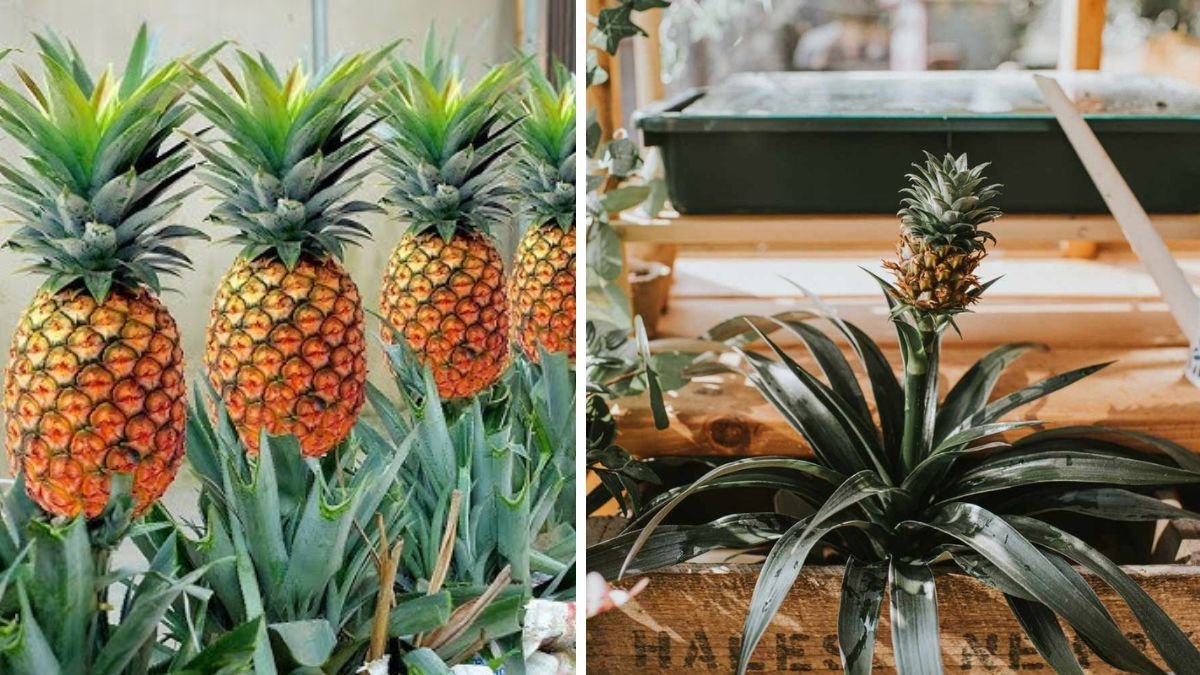
Have you ever looked at a pineapple in your kitchen and wondered if you could grow one yourself? Good news—you absolutely can! Planting a pineapple top is one of the easiest and most fun ways to grow a tropical fruit at home. With just a store-bought pineapple and a little patience, you can turn kitchen waste into a beautiful tropical plant and, eventually, a delicious homegrown fruit.
Whether you’re a gardening beginner or an experienced plant lover, growing pineapple from a crown is a rewarding project that brings a slice of the tropics right into your home or garden.
In this complete guide, you’ll learn exactly how to plant a pineapple top, how to care for it, and what to expect as your plant grows.
Why Grow a Pineapple from the Top?
Growing pineapple from its crown is popular because:
- It’s easy and beginner-friendly
- It costs almost nothing
- It’s a fun DIY gardening project
- It produces a beautiful ornamental plant
- It can eventually give you fresh pineapple
Plus, pineapple plants are surprisingly hardy and adapt well to pots and home gardens.
What You’ll Need
Before you begin, gather these simple supplies:
- A fresh, healthy pineapple
- A sharp knife
- A pot with drainage holes
- Well-draining potting soil
- A sunny location
That’s it! No special gardening tools required.

Step 1: Choose the Right Pineapple
The success of your pineapple plant starts with selecting a healthy fruit.
What to Look For
- Bright green, fresh-looking leaves
- Firm, golden-yellow skin
- No mold or rot at the base
- Sweet pineapple smell
Avoid pineapples with brown, dry leaves or soft spots.
Step 2: Remove the Pineapple Top
There are two easy ways to remove the crown.
Method 1: Twist It Off
Hold the fruit with one hand and twist the leafy top with the other. It should come off easily.
Method 2: Cut It Off
Use a sharp knife to slice off the crown about 1 inch below the leaves.
Remove any remaining fruit flesh from the base to prevent rotting.
Step 3: Prepare the Crown for Planting
Peel away a few of the bottom leaves to expose the stem. You should see small brown root buds—this is where new roots will grow.

Allow the crown to dry for 1–2 days. This helps prevent rot once planted.
Step 4: Root the Pineapple Top
You can root your pineapple top in two ways:
Option A: Root in Water
- Place the crown in a glass of water
- Submerge only the base, not the leaves
- Change water every 2–3 days
- Roots will appear in 2–3 weeks
Option B: Plant Directly in Soil
- Fill a pot with well-draining soil
- Insert the crown 2–3 inches deep
- Press soil gently around the base
Both methods work well. Soil planting skips the water stage and is faster.
Step 5: Choose the Right Pot and Soil
Pineapple plants need excellent drainage.
Best Soil Mix
- Regular potting soil
- Mixed with sand or perlite
- Optional: compost for nutrients
Pot Size
Start with an 8–10 inch pot. As the plant grows, move to a larger container.
Always use a pot with drainage holes.
Step 6: Place Your Plant in the Right Location
Pineapples love sunlight.

Best Light Conditions
- 6–8 hours of bright sunlight daily
- Sunny balcony or terrace
- Bright window indoors
If growing indoors, place near a south-facing window.
Step 7: Watering Your Pineapple Plant
Pineapples are drought-tolerant and dislike soggy soil.
Watering Tips
- Water when top soil feels dry
- Avoid overwatering
- Pour some water into the leaf cup occasionally
- Ensure excess water drains out
Overwatering can cause root rot.
Step 8: Feeding Your Pineapple Plant
To grow faster and healthier, feed your plant.
Fertilizer Tips
- Use liquid fertilizer every 3–4 weeks
- Organic compost tea works well
- Avoid over-fertilizing
Nitrogen-rich fertilizer encourages leaf growth.
How Long Does It Take to Grow a Pineapple?
Growing pineapple takes patience, but the reward is worth it.
Growth Timeline
- 0–2 months: Root development
- 3–12 months: Leaf growth and plant size increases
- 18–24 months: Flower formation
- 24–30 months: Fruit development
In about two years, you can harvest your own pineapple!

How to Encourage Flowering
Sometimes pineapple plants need a little encouragement to flower.
Flowering Trick
Place a ripe apple near the plant and cover both with a plastic bag for a week. Apples release ethylene gas, which stimulates flowering.
Harvesting Your Pineapple
Your pineapple is ready when:
- The fruit turns golden yellow
- It smells sweet
- The fruit is firm but slightly soft
Use a sharp knife to cut the fruit from the plant.
Can You Grow Pineapple Outdoors?
Yes! Pineapple grows beautifully outdoors in warm climates.
Outdoor Growing Tips
- Plant in full sun
- Protect from frost
- Use raised beds or pots
- Ensure good drainage
In cooler climates, grow in pots and bring indoors during winter.
Common Problems and Solutions
Yellow Leaves
Cause: Overwatering
Solution: Reduce watering frequency

Brown Leaf Tips
Cause: Dry air or underwatering
Solution: Mist occasionally and water properly
Slow Growth
Cause: Low light or poor soil
Solution: Move to brighter area and improve soil
Benefits of Growing Pineapple at Home
- Fresh, organic fruit
- No chemicals or pesticides
- Decorative tropical plant
- Fun family gardening project
- Sustainable gardening practice
Plus, pineapple plants look stunning with their spiky leaves and tropical charm.
Fun Facts About Pineapple
- Pineapple is actually a group of berries fused together
- It takes nearly two years to grow one fruit
- Pineapple plants belong to the bromeliad family
- The fruit was once considered a luxury in Europe
Final Thoughts
Planting a pineapple top is one of the most enjoyable and rewarding gardening projects you can try at home. It’s simple, eco-friendly, and a great way to turn kitchen scraps into a beautiful tropical plant.
With sunshine, patience, and a little care, your pineapple plant will thrive and eventually reward you with a sweet, homegrown fruit.
So next time you buy a pineapple, don’t throw away the top—plant it and start your tropical fruit-growing adventure today!

Leave A Comment