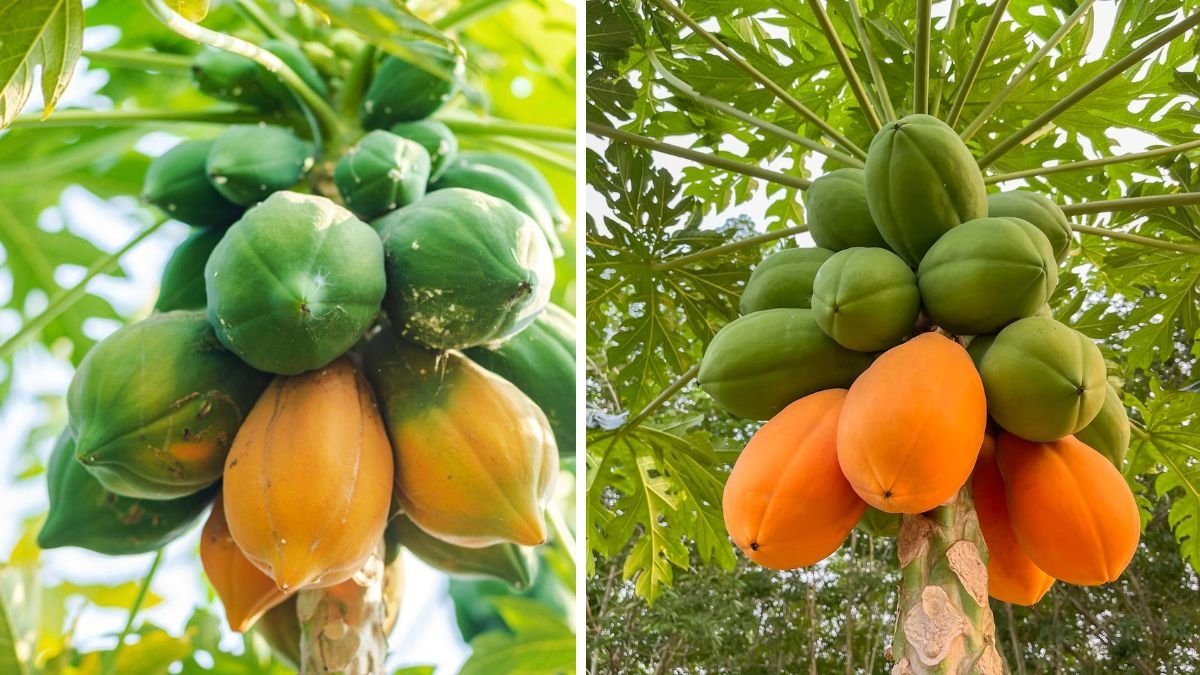
Papaya is one of the most beloved tropical fruits in the world. With its bright orange flesh, juicy sweetness, and refreshing flavor, papaya has become a favorite in breakfast bowls, smoothies, desserts, and health drinks. But beyond its delicious taste, papaya is also a nutritional powerhouse, packed with vitamins, enzymes, and antioxidants.
As global demand for tropical fruits continues to grow, papaya farming has expanded rapidly across many warm regions of the world. Today, millions of tons of papaya are harvested every year to meet the needs of consumers across continents.
But which country leads the world in papaya production?
Let’s explore the answer, the reasons behind the dominance of the top producer, and how papaya has become a key fruit in global agriculture.
What Is Papaya?
Papaya (Carica papaya) is a fast-growing tropical fruit tree native to Central America and southern Mexico. The fruit is oval-shaped with thin skin that turns yellow-orange when ripe. Inside, it contains soft orange flesh and black edible seeds.
Papaya is enjoyed in many forms:
- Fresh slices
- Smoothies and juices
- Fruit salads
- Dried snacks
- Papaya-based desserts
In many Asian cuisines, green papaya is used in salads and savory dishes.
Why Is Papaya So Popular Worldwide?
Papaya is loved not only for its taste but also for its impressive health benefits.
1. Rich in Nutrients
Papaya is packed with:
- Vitamin C
- Vitamin A
- Folate
- Fiber
- Potassium
2. Aids Digestion
Papaya contains the enzyme papain, which helps break down proteins and improves digestion.

3. Boosts Immunity
Its high antioxidant content helps strengthen the immune system.
4. Supports Heart Health
Papaya helps reduce cholesterol levels and supports healthy blood circulation.
5. Great for Skin and Hair
Papaya is widely used in skincare and beauty products due to its natural enzymes.
Global Papaya Production: A Growing Industry
Papaya thrives in warm tropical and subtropical climates. It grows best in countries with plenty of sunshine, moderate rainfall, and well-drained soil.
Today, papaya is grown in more than 60 countries worldwide, mainly in:
- Asia
- Latin America
- Africa
- The Caribbean
Global papaya production exceeds 13 million metric tons annually, making it one of the world’s most important tropical fruits.
Which Country Is the Largest Papaya Producer in the World?
India is the largest papaya producer in the world.
India produces more papayas than any other country, accounting for nearly 40% of global papaya production.
India’s Papaya Production at a Glance
- Annual production: Over 5 million metric tons
- Share of global production: Around 38–40%
- Major producing states:
- Andhra Pradesh
- Gujarat
- Karnataka
- Maharashtra
- Tamil Nadu
- Uttar Pradesh
India’s vast agricultural land, favorable climate, and growing domestic demand have made it the undisputed leader in papaya farming.
Why Is India the World’s Largest Papaya Producer?
Several factors contribute to India’s dominance in papaya production.
1. Ideal Climate Conditions
Papaya grows best in warm temperatures between 22°C and 35°C. India’s tropical and subtropical climate provides perfect growing conditions throughout the year.

2. Large Cultivation Area
India has millions of hectares under fruit cultivation, and papaya is grown both commercially and in home gardens.
3. Year-Round Production
Unlike many fruits, papaya can be harvested year-round in India, ensuring a steady supply to markets.
4. High Domestic Consumption
Papaya is widely consumed across India as a breakfast fruit, juice, and dessert ingredient.
5. Improved Hybrid Varieties
Indian agricultural research institutes have developed high-yield papaya hybrids that are disease-resistant and fast-growing.
Top Papaya Producing Countries in the World
While India leads the world, several other countries are also major papaya producers.
1. India
The world’s largest papaya producer.
2. Brazil
Brazil is the largest papaya producer in Latin America and a major exporter to Europe and the US.
3. Mexico
Mexico is a leading papaya exporter, especially to the United States.
4. Indonesia
Indonesia produces papaya mainly for domestic consumption.
5. Nigeria
Nigeria is Africa’s largest papaya producer.

6. Thailand
Thailand grows papaya for both fresh consumption and processed products.
Papaya Production by Continent
Asia
Asia dominates global papaya production, led by India, Indonesia, Thailand, and the Philippines.
Latin America
Brazil and Mexico are major exporters to global markets.
Africa
Nigeria and Kenya are the leading African producers.
Oceania
Papaya is grown in small quantities in Australia and Pacific islands.
Popular Papaya Varieties Around the World
Different countries grow different varieties based on market demand.
Popular Papaya Varieties
- Red Lady – High-yield hybrid, widely grown in India
- Solo – Popular in Hawaii and Latin America
- Sunrise Solo – Sweet and aromatic
- Tainung – High-quality export variety
- Pusa Delicious – Developed in India
- Coorg Honey Dew – Indian variety with sweet flavor
How Papaya Is Grown: From Farm to Market
Papaya farming is relatively simple but requires careful management.
1. Planting
Seeds are planted in well-drained soil with plenty of sunlight.
2. Irrigation
Regular watering is essential, especially during dry seasons.
3. Fertilization
Balanced nutrients help increase fruit size and sweetness.

4. Pest and Disease Control
Farmers monitor for pests like fruit flies and fungal diseases.
5. Harvesting
Papayas are harvested when they start turning yellow.
6. Packaging and Transport
Fruits are carefully packed and transported to avoid bruising.
Economic Importance of Papaya Farming
Papaya farming plays a major role in rural economies.
Benefits of Papaya Production
- Provides income to millions of farmers
- Generates employment in packing and transport
- Supports food processing industries
- Boosts export earnings
- Encourages agricultural diversification
In India alone, papaya farming supports thousands of farming communities.
India’s Growing Role in Papaya Exports
Although most of India’s papaya is consumed domestically, exports are steadily increasing.
Major Export Destinations
- United Arab Emirates
- Saudi Arabia
- Qatar
- Kuwait
- Nepal
- Bangladesh
With improved cold-chain infrastructure, India is expanding its presence in global papaya markets.
Future of Global Papaya Production
Papaya production is expected to grow steadily over the coming decade.
Emerging Trends
- Development of disease-resistant varieties
- Organic papaya farming
- Eco-friendly packaging
- Export-focused cultivation
- Precision farming techniques
India is investing in modern fruit farming methods to strengthen its leadership in papaya production.
Sustainability in Papaya Farming
Modern papaya cultivation is becoming more environmentally friendly.

Sustainable Practices
- Drip irrigation to save water
- Organic pest control
- Compost-based fertilization
- Solar-powered cold storage
- Plastic-free packaging
These practices ensure long-term productivity and environmental protection.
Final Answer: Which Country Is the Largest Papaya Producer in the World?
India is the world’s largest papaya producer.
With its favorable climate, large cultivation area, improved hybrid varieties, and massive domestic demand, India leads global papaya production by a wide margin.
Conclusion
Papaya is much more than a tropical fruit—it is a vital part of global agriculture and nutrition. Its delicious taste, digestive benefits, and growing popularity have made it one of the most widely grown fruits in the world.
Among all papaya-producing nations, India stands proudly at the top as the world’s largest papaya producer. From small family farms to large commercial orchards, India’s papaya industry continues to thrive and expand.
So the next time you enjoy a bowl of sweet papaya or sip a refreshing papaya smoothie, remember that this golden fruit most likely began its journey in the fertile fields of India.

Leave A Comment