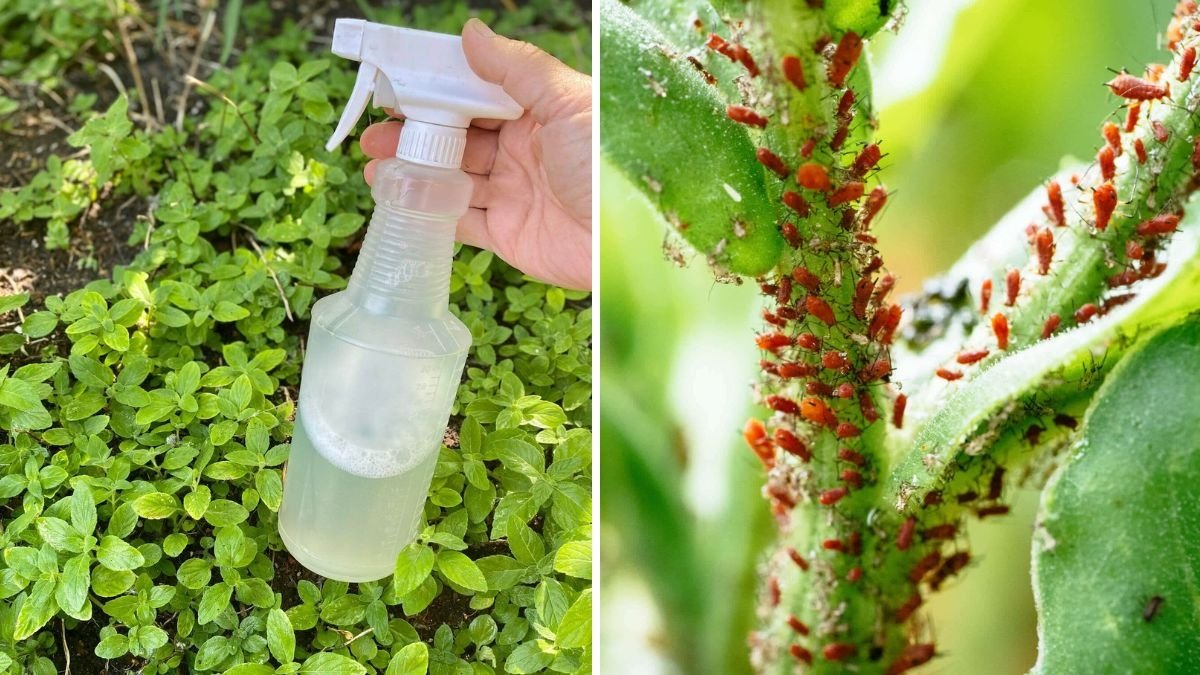
Every gardener knows that healthy, vibrant plants can be threatened by common pests such as aphids and ants. Aphids are small, sap-sucking insects that weaken plants, distort growth, and transmit diseases. Ants, while often seen as harmless, can exacerbate aphid problems because they protect aphids in exchange for honeydew, the sweet substance aphids secrete. Chemical pesticides may be effective, but they can harm beneficial insects and the environment. Fortunately, there are simple, natural home remedies to control aphids and ants on your plants while keeping your garden safe and thriving.
Understanding the Problem: Aphids and Ants

Aphids are tiny insects that cluster on new growth, leaves, and buds. They feed by sucking plant sap, leading to yellowing leaves, stunted growth, curled foliage, and sticky honeydew. Over time, heavy infestations can weaken plants and reduce flowering or fruiting.
Ants are attracted to the honeydew secreted by aphids. By protecting aphids from predators, ants indirectly increase aphid populations. Certain ants also build nests near the base of plants, disrupting roots and soil structure. Addressing both pests together is key to effective control.
Why Home Remedies Are Effective
Home remedies for aphids and ants are safe, eco-friendly, and cost-effective. They often rely on ingredients commonly found in households, such as soap, garlic, neem, chili, or vinegar. Unlike chemical pesticides, these remedies target pests without harming beneficial insects like bees, ladybugs, or earthworms.

Home Remedies to Control Aphids
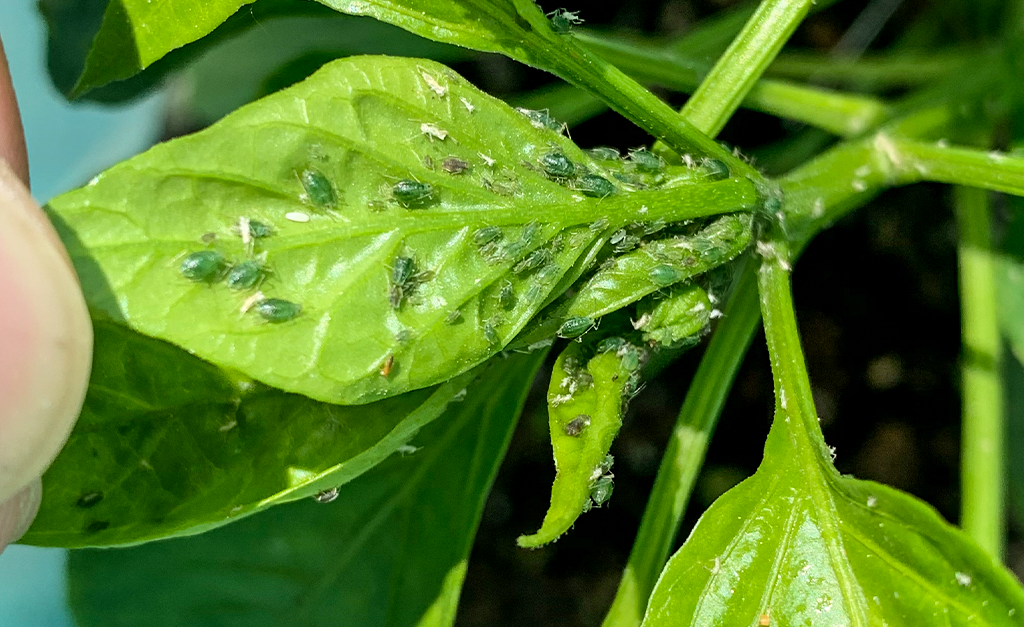
1. Soap and Water Spray
- Mix 1 teaspoon of mild liquid soap in 1 liter of water.
- Pour into a spray bottle and thoroughly spray affected leaves, stems, and buds.
- Repeat every 3–4 days until aphids are gone.
- How it works: Soap breaks down the protective coating of aphids, causing dehydration and death.
2. Neem Oil Spray
- Mix 2 tablespoons of neem oil with 1 liter of water and a few drops of liquid soap.
- Spray on the underside of leaves where aphids usually hide.
- Use every 7 days for heavy infestations.
- How it works: Neem oil disrupts aphids’ feeding and reproductive cycles.
3. Garlic and Chili Spray
- Blend 5 garlic cloves and 2–3 fresh chilies with 1 liter of water.
- Strain the mixture and spray directly on plants.
- Repeat weekly as needed.
- How it works: Garlic and chili act as natural repellents due to their strong odor and compounds that irritate aphids.
4. Alcohol Spray

- Mix 50 ml of rubbing alcohol in 1 liter of water.
- Spray directly on aphids, but avoid excessive application on delicate leaves.
- Caution: Test on one leaf first to ensure it does not damage the plant.
5. Companion Planting
- Plant herbs like basil, chives, or marigold near vulnerable plants.
- How it works: These plants emit odors that repel aphids and attract beneficial insects.
Home Remedies to Control Ants
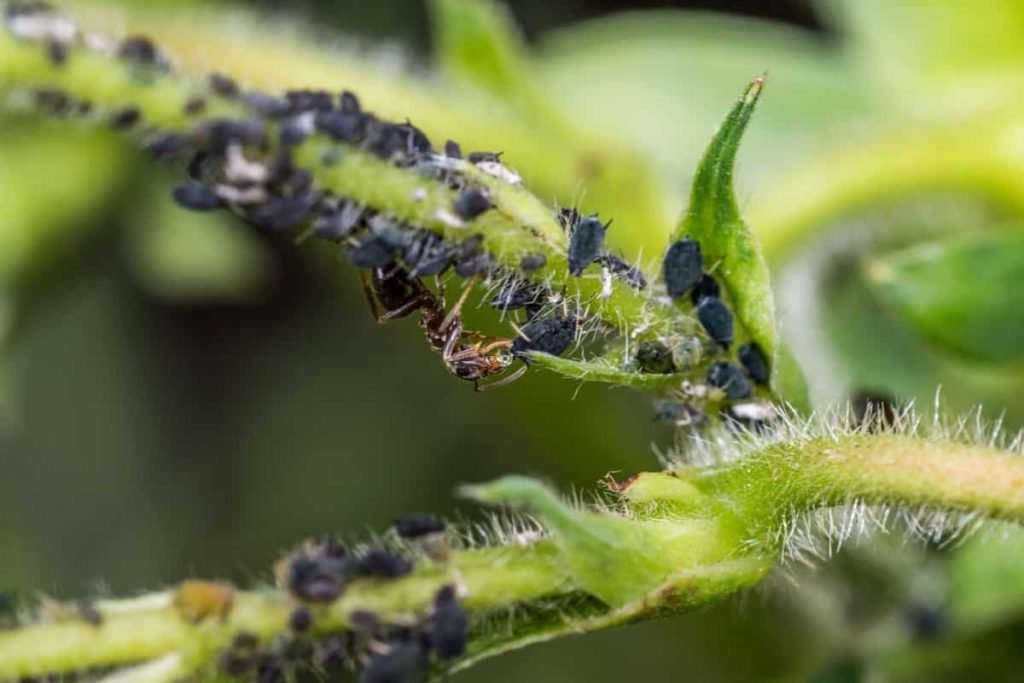
1. Vinegar Solution
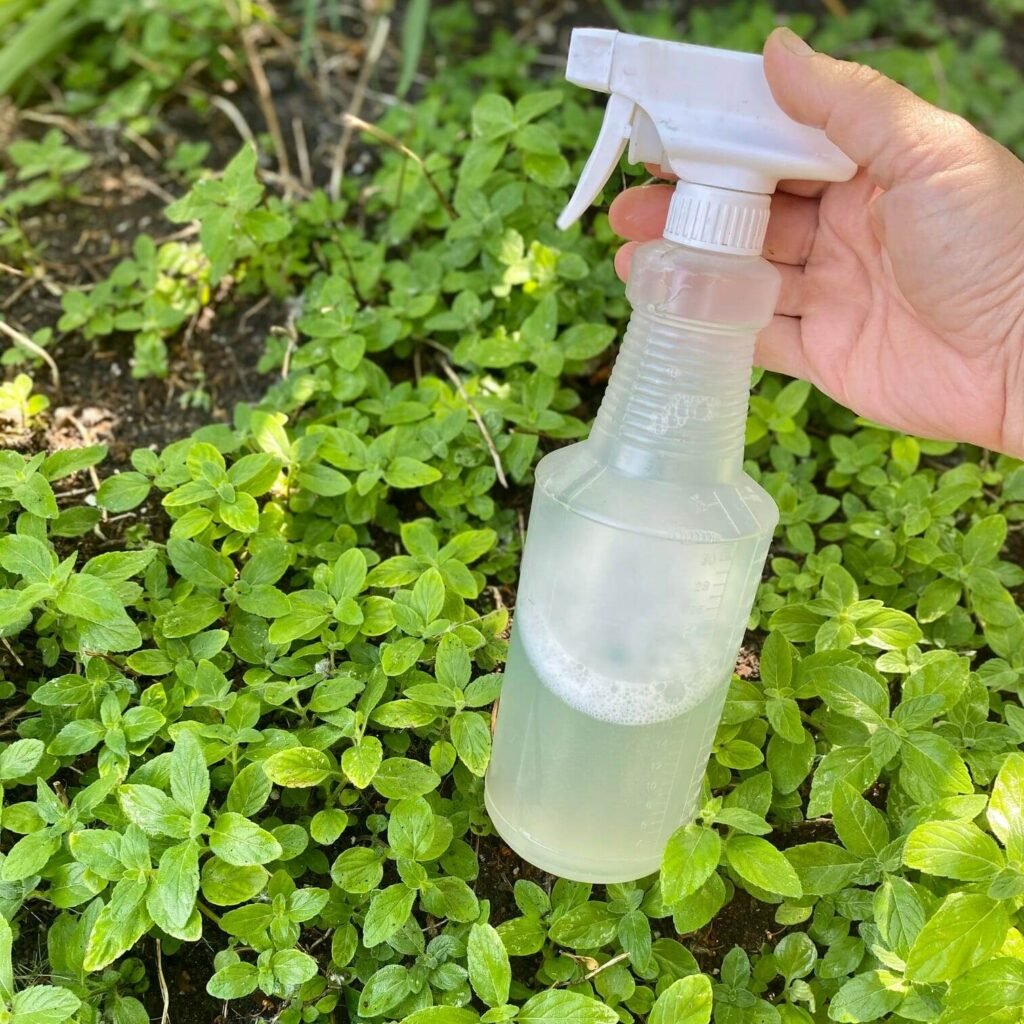
- Mix equal parts water and white vinegar in a spray bottle.
- Spray directly on ant trails, nests near plants, and the base of affected plants.
- How it works: Vinegar disrupts ants’ scent trails, confusing them and reducing their activity.
2. Cinnamon or Chili Powder Barrier
- Sprinkle cinnamon or chili powder around the base of plants or along ant trails.
- Reapply after rain or watering.
- How it works: Strong smells act as natural deterrents, preventing ants from reaching plants.
3. Borax and Sugar Trap

- Mix 1 teaspoon of borax with 2 teaspoons of sugar and place in small containers near ant paths.
- Ants carry the mixture back to the colony, eventually eliminating it.
- Caution: Keep away from pets and children.
4. Lemon Juice Spray
- Mix lemon juice with water and spray on ant trails and plant stems.
- The acidity destroys scent trails and repels ants.
5. Diatomaceous Earth
- Sprinkle a thin layer of food-grade diatomaceous earth around the base of plants.
- How it works: The powder has sharp edges that damage ants’ exoskeletons, leading to dehydration and death.
Integrated Approach for Best Results

For effective control of aphids and ants, it’s best to combine remedies and adopt preventive practices:
- Monitor Plants Regularly: Check leaves, stems, and buds weekly for early signs of infestation.
- Remove Affected Leaves: For small infestations, handpick and dispose of affected leaves.
- Encourage Beneficial Insects: Ladybugs, lacewings, and predatory wasps naturally control aphid populations.
- Maintain Cleanliness: Remove fallen leaves, debris, and honeydew to reduce pest attraction.
- Prune Properly: Trim dense foliage to improve air circulation and make plants less hospitable to pests.
Preventive Measures to Avoid Infestations
- Healthy Plants: Strong, well-watered, and properly fertilized plants are less vulnerable to pests.
- Companion Planting: Herbs like mint, oregano, and marigold deter both aphids and ants.
- Avoid Excess Nitrogen: Over-fertilization encourages soft, tender growth attractive to aphids.
- Mulch Management: Avoid mulch contact with plant stems to reduce ant nesting sites.
Benefits of Home Remedies
- Eco-Friendly: Protects soil, beneficial insects, and pollinators.
- Cost-Effective: Uses easily available household ingredients.
- Safe for Families: Non-toxic compared to chemical pesticides.
- Long-Term Control: Repeated use helps reduce the likelihood of recurring infestations.
When to Seek Additional Help
If home remedies are not sufficient:

- Severe infestations may require targeted biological control agents, such as ladybugs or parasitic wasps.
- Persistent ant problems may require professional advice or stronger, safe ant management techniques.
Final Thoughts
Controlling aphids and ants naturally is not only safe for your plants but also for the entire garden ecosystem. By using simple home remedies, maintaining plant health, and monitoring for early signs of pests, you can enjoy vibrant, healthy plants without resorting to harmful chemicals.
From soap sprays to vinegar solutions and diatomaceous earth, these methods provide effective, eco-friendly ways to manage common garden pests. Regular attention, preventive measures, and natural repellents will help keep your garden flourishing while reducing reliance on chemical pesticides.
Take charge of your garden today with these home remedies and watch your plants thrive, free from aphids and ants. Healthy plants, beautiful blooms, and bountiful harvests are within your reach!


Leave A Comment