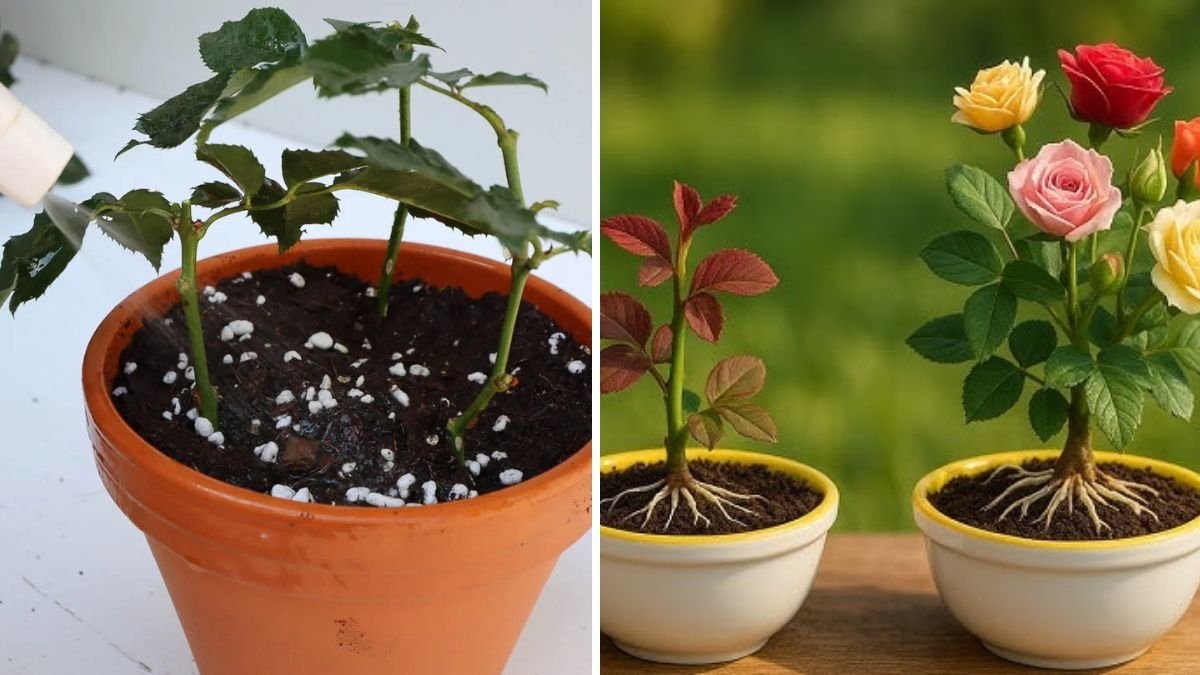
Roses are universally loved for their beauty, fragrance, and elegance. Whether for gardens, patios, or balconies, growing roses is a rewarding experience. One of the most effective ways to multiply your favorite varieties is by propagation, and mini greenhouses in boxes offer an ideal environment to ensure successful rooting. This method creates controlled humidity, warmth, and protection, giving young rose cuttings the best chance to develop into healthy, strong plants. In this guide, we’ll explore how to propagate roses in mini greenhouses using boxes, step by step.
Why Propagate Roses in Mini Greenhouses?
Using mini greenhouses for rose propagation has multiple advantages:

- Controlled Environment: Mini greenhouses maintain humidity, temperature, and light, essential for root development.
- Higher Success Rate: Protection from wind, pests, and temperature fluctuations increases the likelihood of successful propagation.
- Compact and Practical: Ideal for small spaces, balconies, or urban gardening.
- Cost-Effective: Allows gardeners to multiply their favorite rose varieties without purchasing new plants.
Choosing the Right Rose Cuttings
Successful propagation starts with selecting the right material. For mini greenhouse propagation:
- Healthy Parent Plant: Choose disease-free, vigorous rose bushes. Avoid stressed or weak plants.
- Semi-Hardwood Cuttings: Cuttings taken from semi-hardwood stems (not too young or too old) root best.
- Length of Cutting: Select 6–8 inch sections with 3–4 nodes (points where leaves emerge).
- Leaves: Remove most of the lower leaves, keeping 1–2 at the top to reduce water loss.
Preparing Cuttings for Propagation
Proper preparation increases the chances of rooting:

- Cut Cleanly: Use sterilized pruning shears or a sharp knife. Make a diagonal cut just below a node to increase rooting surface.
- Optional – Rooting Hormone: Dip the cut end in rooting hormone powder or gel. This accelerates root formation and reduces risk of rotting.
- Trim Leaves: Remove any flowers or buds, as they divert energy from root development.
Setting Up a Mini Greenhouse in a Box

A mini greenhouse in a box is an excellent solution for propagating multiple cuttings in a compact space:
- Choose the Box: Use a shallow plastic or wooden box that can hold soil or a rooting medium.
- Drainage: Ensure the box has drainage holes to prevent waterlogging.
- Transparent Cover: Cover the box with a clear lid, plastic wrap, or transparent sheet to maintain humidity.
- Rooting Medium: Fill the box with a well-draining medium such as a mix of sand, coco peat, or perlite.
Planting the Cuttings
- Make Holes: Use a pencil or stick to create holes in the rooting medium.
- Insert Cuttings: Place the cut end into the hole, burying at least one node in the medium.
- Firm the Soil: Gently press the medium around the cuttings to remove air pockets.
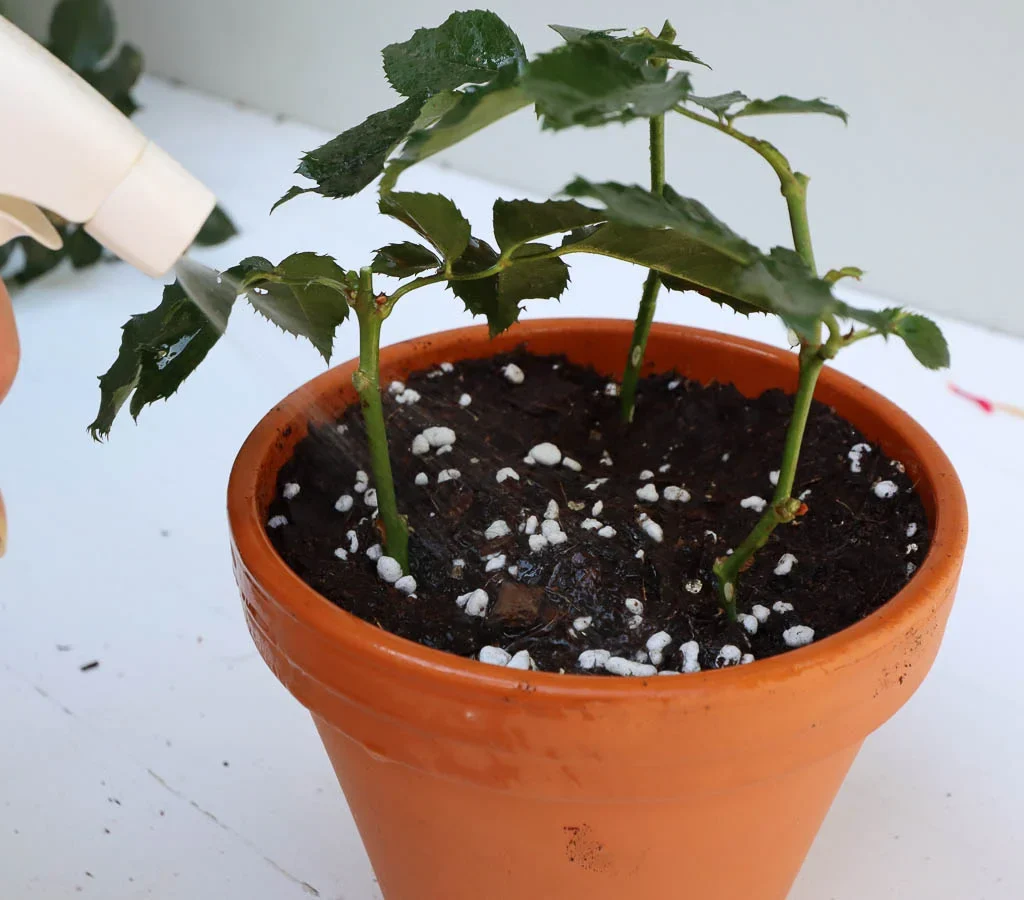
- Water Lightly: Mist or lightly water the medium to settle it around the cuttings without overwatering.
Creating the Ideal Environment
Mini greenhouses provide a controlled microclimate essential for rooting:

- Humidity: Covering the box traps moisture, keeping cuttings hydrated.
- Temperature: Maintain a warm environment, ideally 20–25°C (68–77°F). Avoid direct harsh sunlight that may overheat the greenhouse.
- Light: Provide bright, indirect light to encourage photosynthesis without stressing the cuttings.
Caring for Rose Cuttings in Mini Greenhouses
Proper care during the rooting phase is crucial:
- Moisture: Keep the rooting medium consistently moist but not soggy. Mist cuttings if necessary.
- Air Circulation: Occasionally lift the cover to allow fresh air and prevent mold.
- Observation: Check daily for signs of rotting, fungal infections, or mold. Remove affected cuttings promptly.
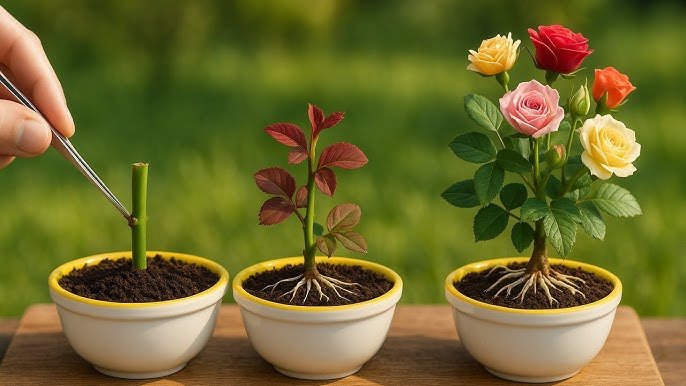
- Patience: Rose cuttings typically develop roots in 4–6 weeks, depending on the variety and environmental conditions.
Transplanting Rooted Rose Cuttings
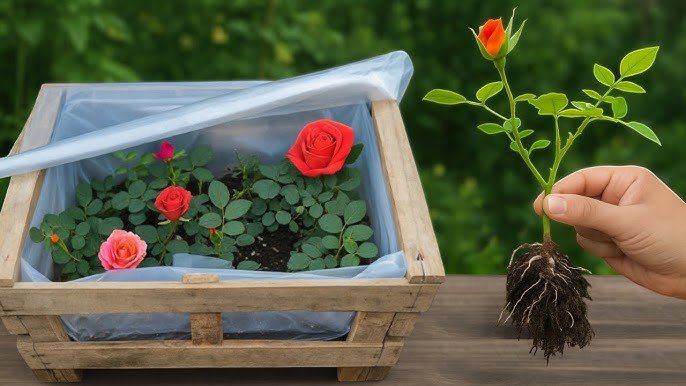
Once cuttings have developed a healthy root system, it’s time to transplant:

- Prepare Pots: Use small pots with well-draining soil enriched with compost or organic matter.
- Careful Removal: Gently remove cuttings from the rooting medium to avoid damaging delicate roots.
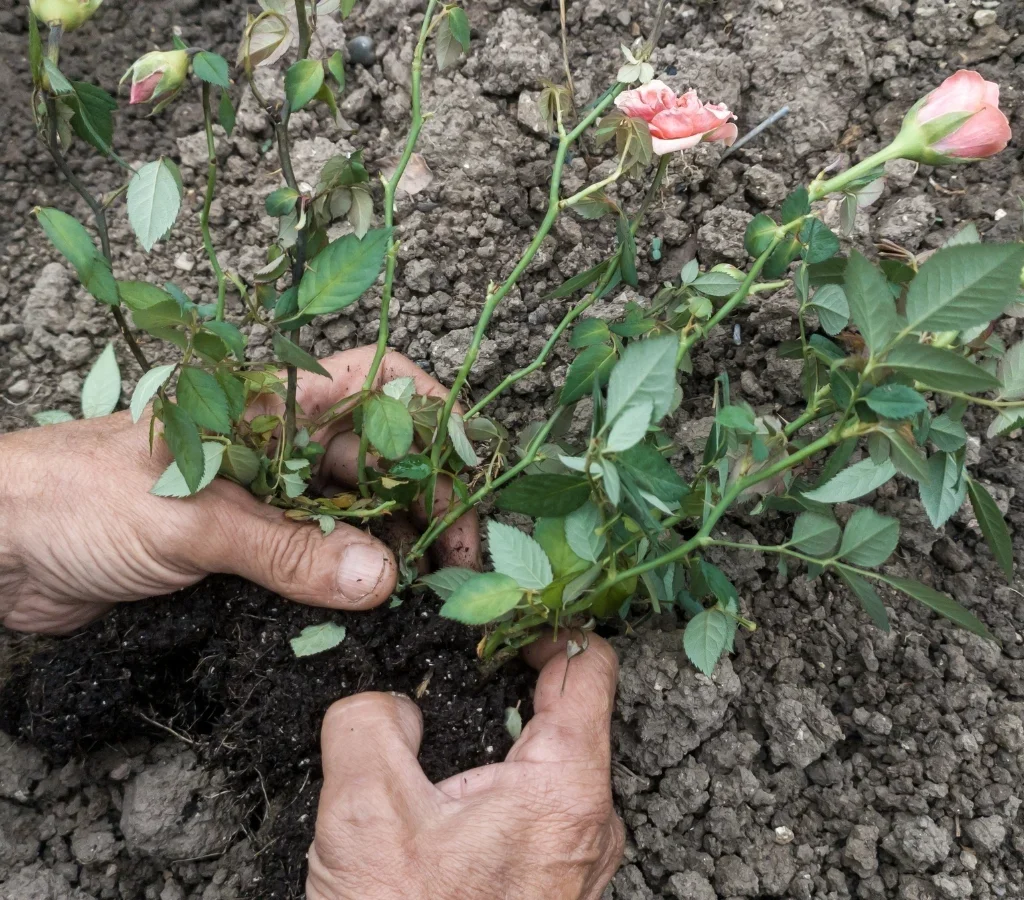
- Planting: Plant cuttings at the same depth they were in the mini greenhouse. Firm the soil around them.
- Watering: Water lightly and place pots in a shaded, sheltered area for a few days to reduce transplant shock.
- Acclimatization: Gradually expose the young plants to more sunlight over 1–2 weeks before planting in the garden or larger containers.
Tips for Successful Rose Propagation
- Use Healthy Plants: Always choose disease-free, vigorous roses.
- Rooting Hormone: Significantly improves the success rate of cuttings.
- Humidity Maintenance: Consistent humidity is critical; dry air can cause cuttings to wilt.
- Avoid Overcrowding: Provide space between cuttings to ensure airflow and prevent fungal issues.
- Regular Monitoring: Check daily for signs of disease or dryness and adjust care accordingly.
Common Problems and Solutions
- Rotting Cuttings: Caused by overwatering or poor drainage. Use well-draining soil and water carefully.
- Mold or Fungal Growth: Ensure adequate ventilation and remove affected cuttings promptly.
- Wilting: May result from insufficient humidity or temperature fluctuations. Mist regularly and maintain warmth.
- Slow Rooting: Patience is key. Some rose varieties take longer to root; avoid disturbing cuttings unnecessarily.
Advantages of Mini Greenhouse Propagation
- Higher Success Rate: Controlled environment reduces failure.
- Space Efficiency: Ideal for indoor gardening or limited outdoor space.
- Season Flexibility: Can propagate roses year-round under controlled conditions.
- Cost-Effective: Multiply roses without purchasing expensive nursery plants.
Final Thoughts
Propagating roses in mini greenhouses using boxes is a simple, efficient, and highly effective method for multiplying your favorite varieties. By providing a controlled environment with the right humidity, temperature, and care, you can ensure your rose cuttings develop into strong, healthy plants ready to brighten your garden.
Whether you’re a beginner or an experienced gardener, using mini greenhouses in boxes makes rose propagation more reliable and accessible. With patience, attention to detail, and proper maintenance, you can enjoy a continuous supply of beautiful roses grown from your own garden.

Start propagating your roses today, and experience the joy of nurturing tiny cuttings into flourishing, fragrant plants that will enhance your garden for years to come.

Leave A Comment