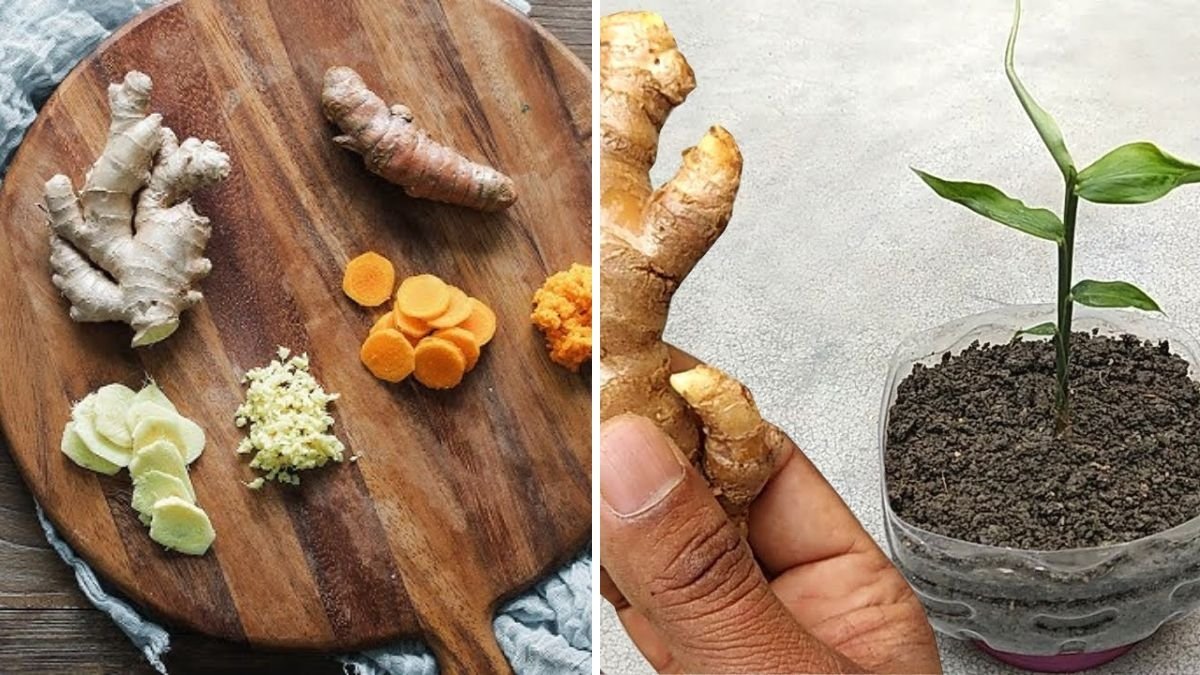
Ginger and turmeric are two of the most beloved spices worldwide, known not only for their bold flavors but also for their powerful health benefits. From boosting immunity to improving digestion, these rhizomes have become kitchen essentials. What if you could grow both in the same box right at home? With a little preparation and care, you can enjoy fresh ginger and turmeric all year round, straight from your indoor garden or balcony. This guide will show you step by step how to grow them together in a single container—quick, easy, and rewarding.
Why Grow Ginger and Turmeric Together?
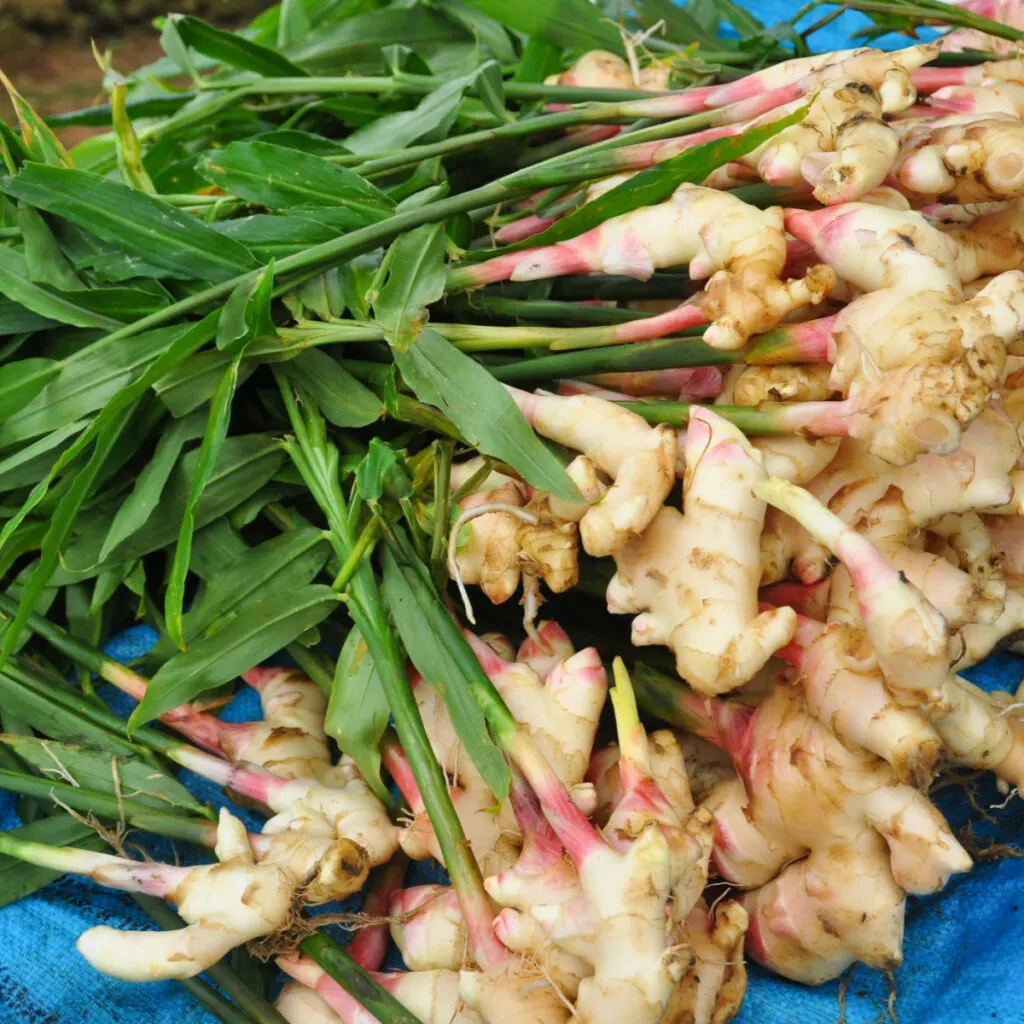
There are several reasons why growing ginger and turmeric in the same box is a smart idea:
- Space-Saving: Both plants have similar growing requirements, making it convenient to cultivate them together in a single container.
- Fresh and Organic: Growing your own rhizomes ensures they are chemical-free and packed with flavor.
- Health Benefits: Fresh ginger and turmeric contain antioxidants, anti-inflammatory compounds, and nutrients that promote overall wellness.
- Aesthetic Appeal: Their lush green leaves add a tropical vibe to your balcony or indoor garden.
- Cost-Effective: Homegrown rhizomes are cheaper than buying fresh ginger or turmeric frequently from the market.
By growing them together, you save space, effort, and money while enjoying continuous harvests of two superfoods.
Step 1: Choosing Quality Rhizomes
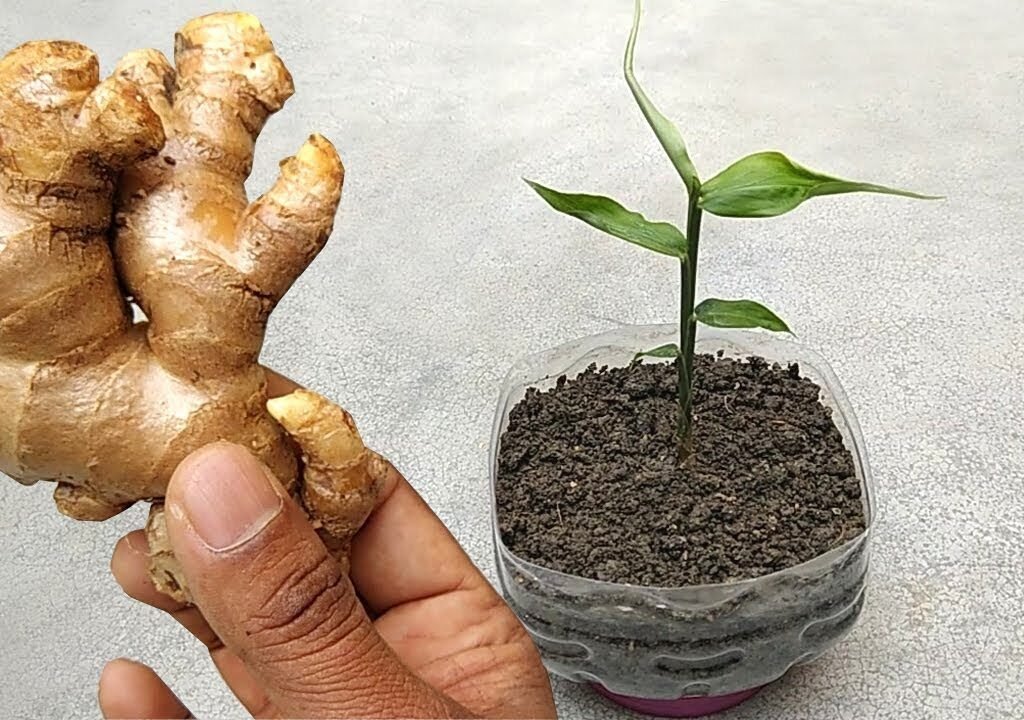
The first step is selecting healthy rhizomes for planting:
- Ginger: Choose plump, firm rhizomes with visible growth buds (small yellow or green “eyes”). Avoid shriveled or moldy pieces.
- Turmeric: Look for fresh, firm turmeric rhizomes with vibrant orange skin and small growth buds.
Tip: Organic rhizomes are preferred, as they are less likely to be treated with growth inhibitors.

Step 2: Preparing the Container
Choosing the right container is crucial when planting ginger and turmeric together:
- Size: Select a wide, shallow box or container at least 12–16 inches deep and 18–24 inches wide. Both plants grow horizontally as their rhizomes spread.
- Drainage: Ensure the container has sufficient drainage holes to prevent waterlogging, which can cause root rot.
- Material: Plastic, ceramic, or wooden boxes are suitable. Ensure the material retains moisture but allows airflow.
A larger box gives each rhizome enough space to grow without competition for nutrients.
Step 3: Preparing the Soil
Ginger and turmeric thrive in nutrient-rich, well-draining soil. Here’s how to prepare it:
- Mix garden soil with compost or organic matter to improve fertility.
- Add sand or perlite for better drainage.
- The ideal soil pH is between 6.0 and 6.5—slightly acidic to neutral.
- Fill the container with the prepared soil, leaving about 2 inches from the top.
A healthy soil mixture ensures your plants get the nutrients and moisture they need for robust growth.
Step 4: Planting Ginger and Turmeric
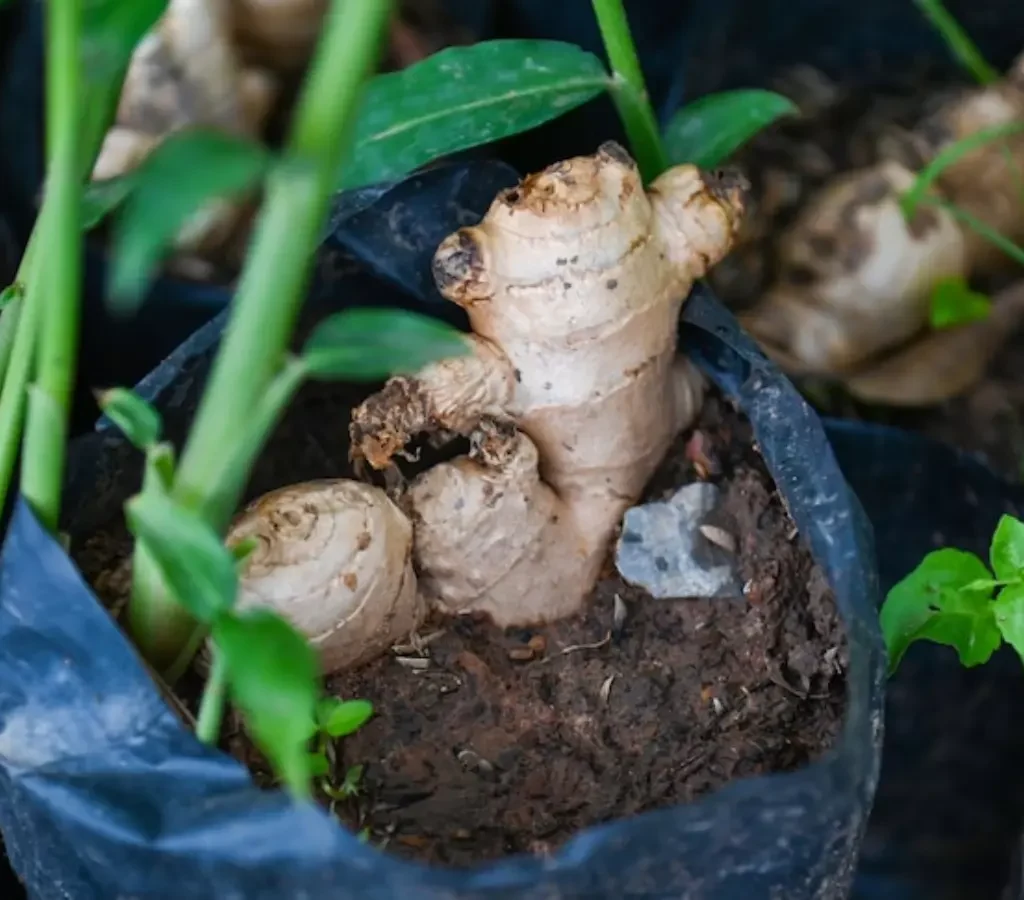
Planting is simple if you follow these steps:

- Cut larger rhizomes into pieces, each with at least 1–2 growth buds.
- Soak rhizomes in warm water for 2–4 hours before planting to kickstart growth.
- Make small holes in the soil, 1–2 inches deep, spaced 4–6 inches apart.
- Place ginger and turmeric pieces horizontally, buds facing up.
- Cover lightly with soil and gently press to secure.
- Water lightly to settle the soil.
Tip: Plant ginger and turmeric on opposite sides of the container to give each rhizome space for horizontal growth.
Step 5: Choosing the Right Location
Both plants need similar growing conditions:
- Sunlight: Ginger and turmeric prefer partial sunlight (4–6 hours of indirect sunlight). Direct sunlight can scorch leaves, especially indoors.
- Temperature: They thrive in warm conditions between 70–85°F (21–29°C). Avoid cold drafts or temperatures below 60°F.
- Air Circulation: Ensure good airflow around the box to prevent fungal infections and promote healthy growth.
For indoor gardening, a bright windowsill or balcony with filtered sunlight works best.
Step 6: Watering and Care
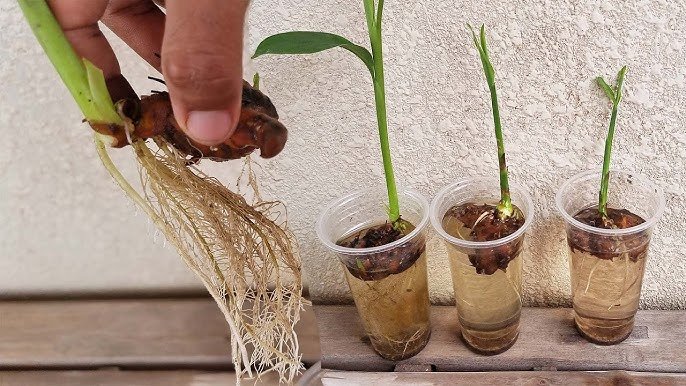
Proper watering and care are key to healthy ginger and turmeric plants:
- Watering: Keep the soil consistently moist but not soggy. Water when the top 1 inch of soil feels dry.
- Mulching: Use organic mulch like straw or dried leaves to retain moisture and regulate soil temperature.
- Fertilizing: Apply organic compost or a balanced liquid fertilizer every 3–4 weeks. Avoid chemical fertilizers, as they may affect taste and quality.
- Weeding: Remove weeds promptly to reduce competition for nutrients.
With consistent care, your plants will grow strong, lush, and healthy.

Step 7: Growth and Maintenance

Both ginger and turmeric are slow-growing plants:
- Ginger: Leaves emerge first, followed by horizontal rhizome growth under the soil. Rhizomes are usually ready to harvest in 8–10 months.
- Turmeric: Growth is similar, but turmeric rhizomes take slightly longer—usually 9–12 months to mature.
Pruning: Trim yellow or dead leaves to promote airflow and prevent disease.
Support: Although not required, using a trellis or bamboo sticks can prevent leaves from bending or falling over in windy areas.
Step 8: Harvesting Ginger and Turmeric
Harvesting can be done once the plants mature:
- Ginger: Carefully dig around the base and lift the rhizomes. Replant a few buds from the harvested rhizomes for the next crop.
- Turmeric: Harvest when leaves start turning yellow and drying. Gently remove the rhizomes, wash, and dry them before storage.
Tip: Avoid harvesting too early, as immature rhizomes are less flavorful and contain fewer nutrients.

Step 9: Storage and Usage
- Fresh Use: Wash and peel rhizomes as needed for cooking or smoothies.
- Long-Term Storage: Store unpeeled rhizomes in a cool, dark place or refrigerate for several weeks. Freeze extra rhizomes to prolong shelf life.
- Propagation: Save some rhizomes with buds for the next planting season, ensuring a continuous supply.
Step 10: Common Problems and Solutions
Even hardy plants like ginger and turmeric can face some challenges:
- Root Rot: Caused by overwatering or poor drainage. Solution: Ensure proper drainage and avoid waterlogging.
- Yellowing Leaves: Often due to nutrient deficiency or overwatering. Solution: Check soil moisture and apply organic fertilizer.
- Pests: Aphids or spider mites can appear. Solution: Use neem oil or natural insecticidal sprays.
- Slow Growth: Usually due to low temperatures or insufficient sunlight. Solution: Maintain warm, bright conditions for optimal growth.
By monitoring your plants, most problems can be prevented or corrected easily.
Quick Tips for Success
- Plant ginger and turmeric with at least 4–6 inches of space between rhizomes.
- Use organic soil and compost to ensure healthy growth.
- Keep soil moist but not waterlogged to prevent root rot.
- Provide partial sunlight and maintain warm temperatures.
- Harvest mature rhizomes carefully to preserve future growth.
Conclusion
Growing ginger and turmeric together in the same box is an easy, space-saving way to enjoy fresh, aromatic, and health-boosting rhizomes at home. With proper soil, water, sunlight, and care, you can cultivate lush, green plants that provide delicious and nutrient-rich rhizomes year-round.
Not only does this method save space, but it also adds a touch of tropical beauty to your balcony or indoor garden. From cooking to natural remedies, fresh ginger and turmeric grown in your own box ensures that you always have these powerful spices at your fingertips.
Start your ginger and turmeric box today, and enjoy the satisfaction of growing your own natural, healthy ingredients—right at home.


Leave A Comment