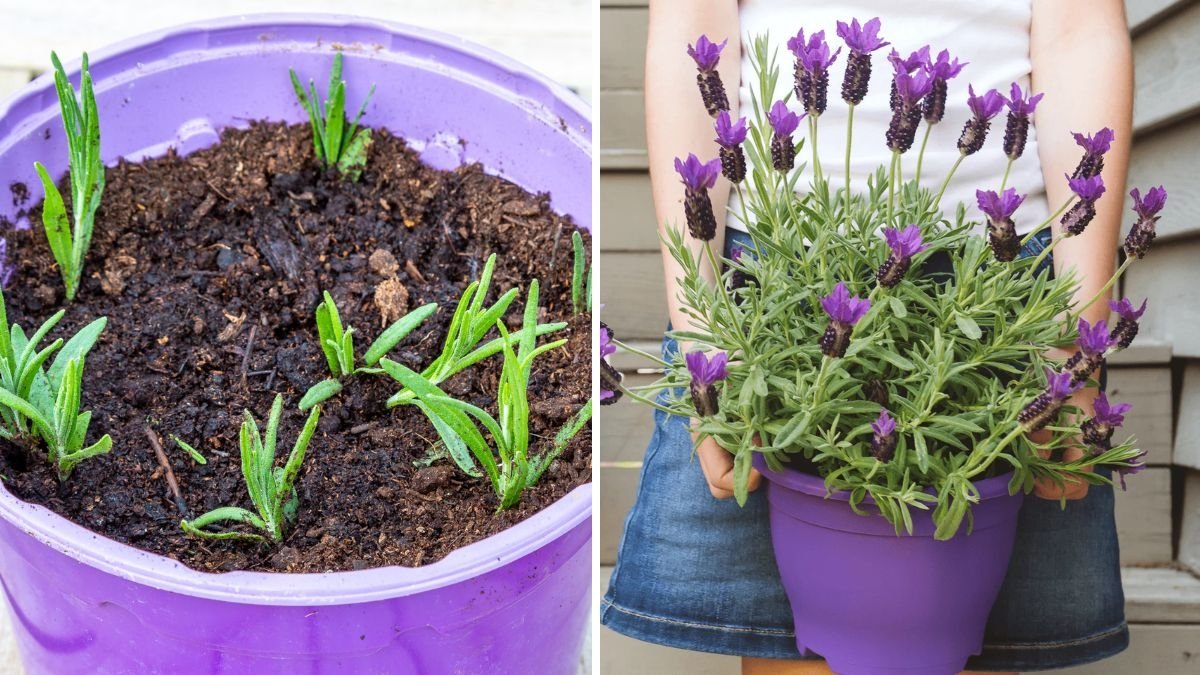
Lavender is one of the most beloved herbs in the world, cherished for its enchanting fragrance, calming properties, and stunning purple blooms. Whether you want to add a touch of beauty to your garden, create homemade essential oils, or simply enjoy the soothing aroma indoors, growing lavender at home is easier than you might think. This guide will walk you step by step through the process of planting, caring for, and harvesting lavender—quickly and efficiently.
Why Grow Lavender at Home?

Lavender isn’t just a pretty plant. It brings numerous benefits:
- Aromatic Delight: Lavender’s sweet, calming scent makes it perfect for relaxation, stress relief, and aromatherapy.
- Versatile Uses: You can use lavender in teas, cooking, homemade skincare, essential oils, and dried floral arrangements.
- Low Maintenance: Once established, lavender is drought-tolerant and requires minimal care, making it ideal for beginners.
- Pest Deterrent: Its fragrance naturally repels mosquitoes, moths, and other pests, helping protect your home and garden.
With so many benefits, growing lavender at home is a rewarding experience for gardeners of all skill levels.

Step 1: Choosing the Right Lavender Variety
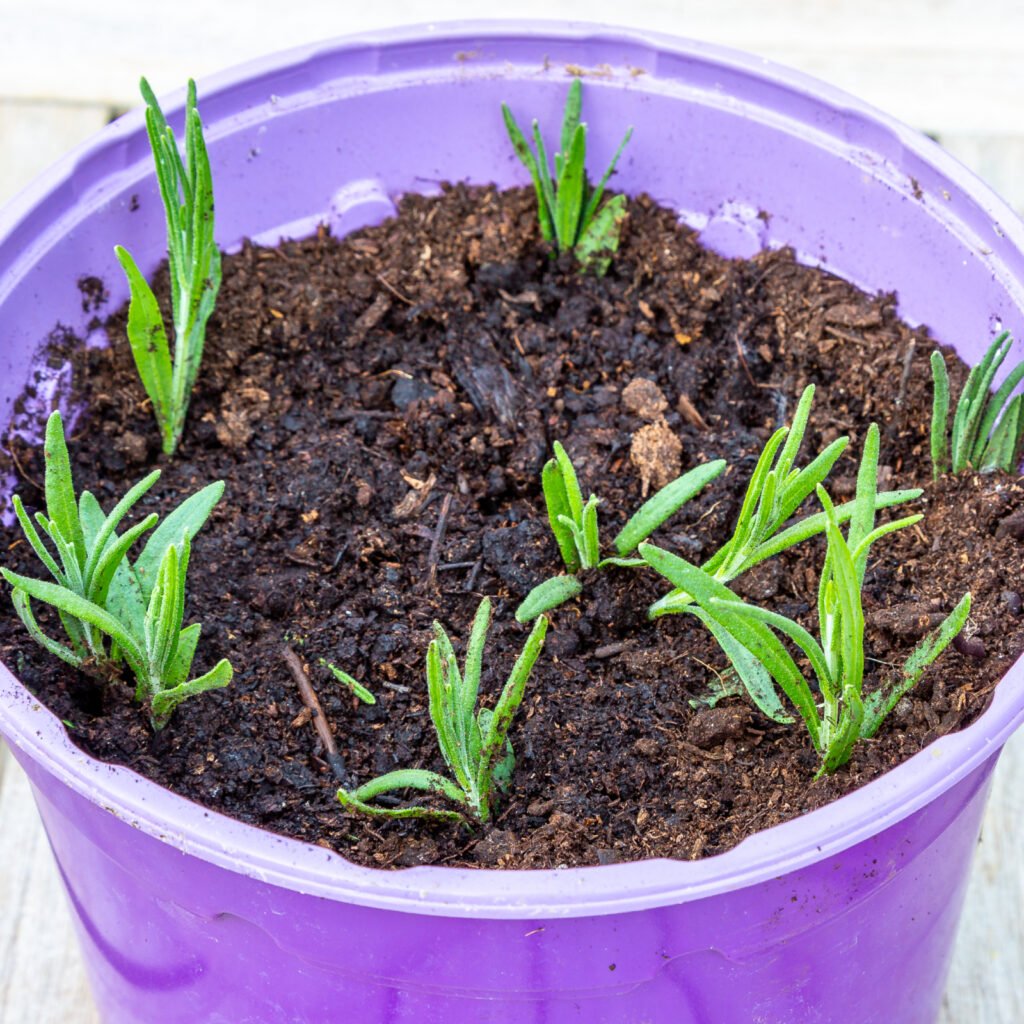
Before planting, it’s important to choose the lavender variety that suits your climate and space. Some popular options include:
- English Lavender (Lavandula angustifolia): Known for its sweet fragrance and compact size, ideal for pots and borders.
- French Lavender (Lavandula dentata): Larger blooms and a stronger aroma, suitable for outdoor gardens.
- Spanish Lavender (Lavandula stoechas): Unique butterfly-shaped flowers, perfect for decorative purposes.
For beginners, English lavender is often the easiest to grow indoors or in small gardens.
Step 2: Selecting the Perfect Location
Lavender loves sunshine and well-draining soil. Here’s what to keep in mind:

- Sunlight: Lavender requires at least 6–8 hours of direct sunlight each day. A sunny balcony, window sill, or garden bed is ideal.
- Soil: Use sandy, well-draining soil. Lavender dislikes waterlogged soil, which can lead to root rot. You can mix garden soil with sand or perlite to improve drainage.
- Air Circulation: Ensure good airflow around your plant to prevent fungal diseases. Avoid crowded spaces or areas with stagnant air.
If growing indoors, place your lavender near a south-facing window and rotate the pot occasionally to ensure even light exposure.
Step 3: Planting Lavender
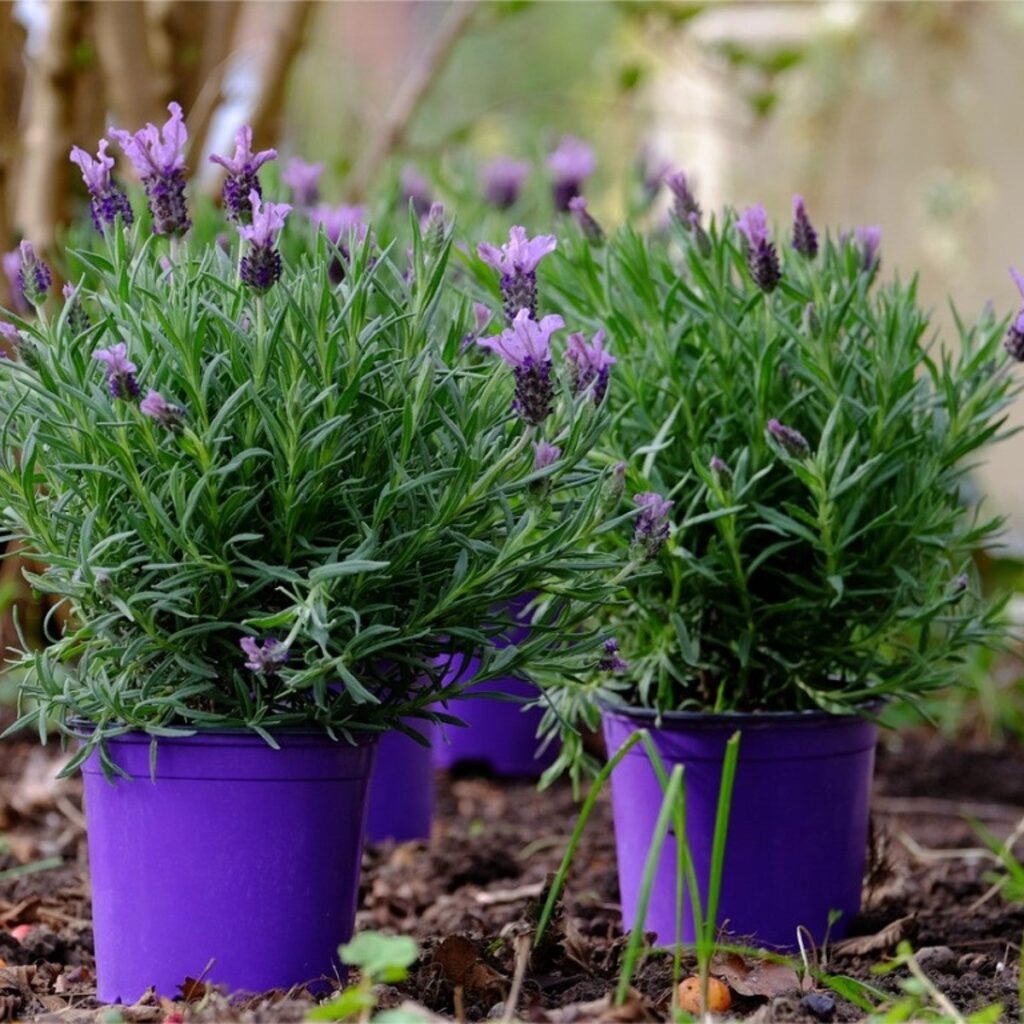
Lavender can be grown from seeds, cuttings, or nursery-bought plants. Here’s a quick guide for each method:
- From Seeds:
- Soak seeds in water for 24 hours before planting.
- Fill a seed tray with well-draining soil.
- Sow seeds on the surface and lightly cover with soil.
- Keep the soil moist and warm (65–70°F).
- Germination may take 2–4 weeks.
- From Cuttings:
- Take a 3–4 inch cutting from a healthy lavender plant.
- Remove lower leaves and dip the cut end in rooting hormone.
- Plant in a pot with sandy soil and water lightly.
- Keep the cutting in a sunny spot with indirect light. Roots typically develop in 3–6 weeks.
- From Nursery Plants:
- Choose healthy, young plants with no signs of disease.
- Dig a hole slightly larger than the plant’s root ball.
- Place the plant in the hole and fill with soil, gently pressing to remove air pockets.
- Water lightly to settle the soil.
Step 4: Watering and Care
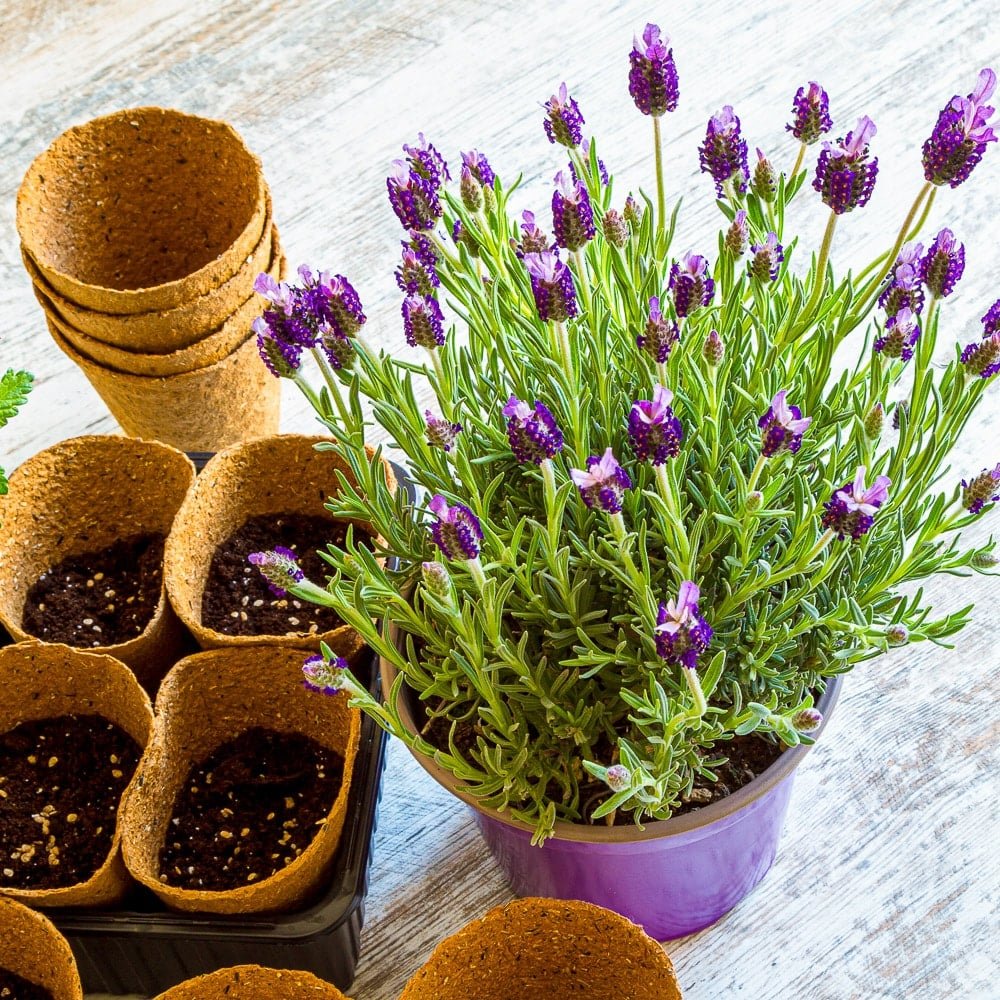
Lavender is drought-tolerant and prefers slightly dry soil. Overwatering is the most common mistake gardeners make. Follow these tips:

- Watering Schedule: Water newly planted lavender regularly until established. Afterward, water only when the soil feels dry, typically once every 1–2 weeks.
- Mulching: Add a thin layer of gravel or sand around the base to improve drainage and prevent moisture buildup.
- Fertilization: Lavender doesn’t require heavy feeding. A light application of compost or slow-release fertilizer once in spring is sufficient.
Step 5: Pruning Lavender
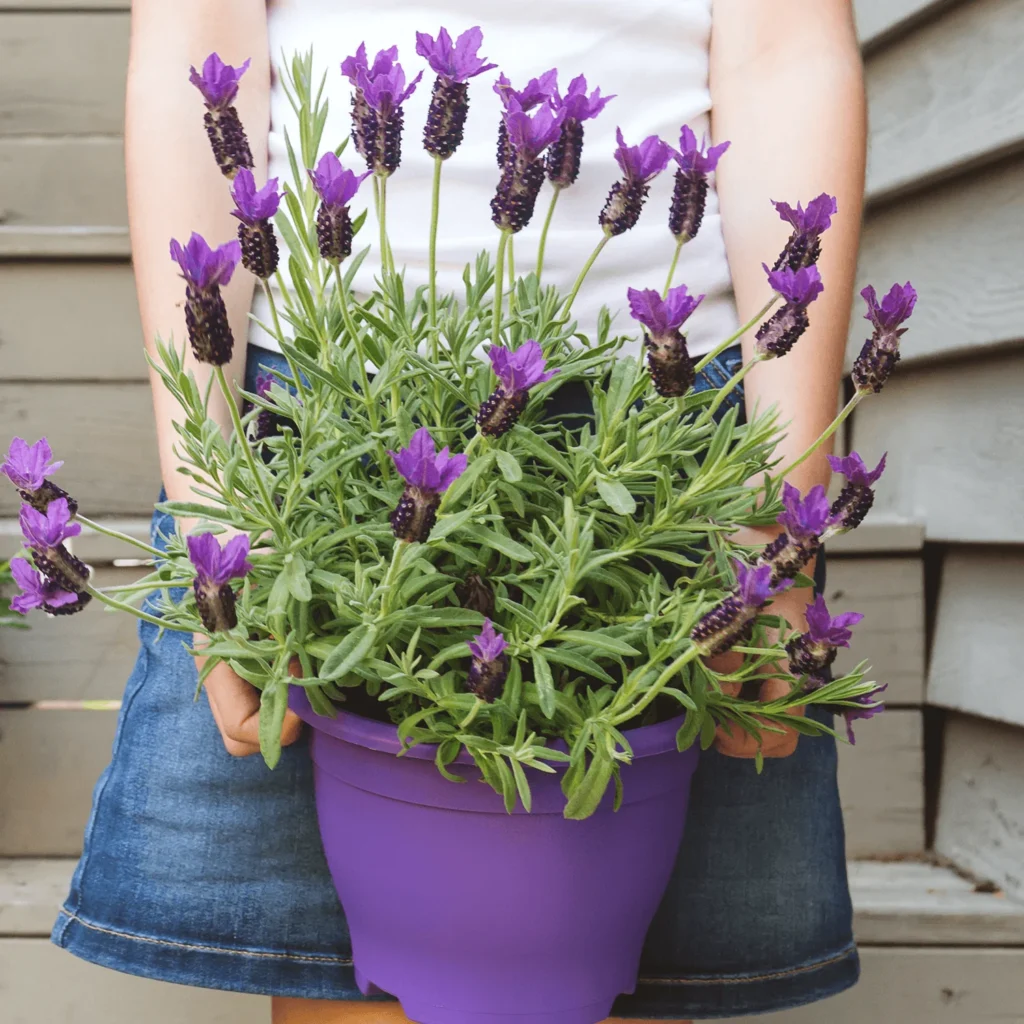
Pruning encourages bushy growth and more flowers.
- Timing: Prune after flowering, typically in late summer or early fall.
- Method: Remove dead or woody stems and trim back one-third of the plant’s height. Avoid cutting into old wood, as it may not regrow.
- Benefits: Regular pruning keeps your lavender healthy, prevents legginess, and enhances flower production.
Step 6: Harvesting Lavender
Harvest lavender when the flowers are in full bloom for maximum fragrance.
- Tools: Use clean, sharp scissors or pruning shears.
- Method: Cut flower stems just above the leaves, leaving some green growth for regrowth.
- Drying: Bundle stems together and hang upside down in a cool, dark, and dry place for 1–2 weeks. Once dried, store in airtight containers for later use.
Step 7: Common Problems and Solutions
Even hardy plants like lavender can face some issues. Here’s how to tackle them:

- Root Rot: Caused by overwatering or poor drainage. Solution: Ensure pots have drainage holes and soil is sandy.
- Yellowing Leaves: Often due to excess water or nutrient imbalance. Solution: Reduce watering and add light fertilizer if needed.
- Pests: Aphids and whiteflies can occasionally appear. Solution: Use neem oil or insecticidal soap to protect plants.
Step 8: Creative Uses for Homegrown Lavender
Once your lavender is thriving, there are countless ways to use it:
- Aromatherapy: Make sachets, essential oils, or candles to enjoy the calming scent.
- Culinary: Add dried flowers to teas, desserts, or baked goods.
- Decor: Use in flower arrangements, wreaths, or potpourri for a touch of natural beauty.
- Health: Lavender is known to relieve stress, improve sleep, and promote relaxation.
Quick Tips for Success
- Always choose well-draining soil to prevent root rot.
- Ensure your lavender gets enough sunlight—6–8 hours daily.
- Don’t overwater; let the soil dry between waterings.
- Regular pruning keeps plants healthy and blooming.
- Protect young plants from frost in colder climates.
Conclusion
Growing lavender at home doesn’t have to be complicated. With the right variety, sunlight, soil, and a little care, you can enjoy the beauty and benefits of this magical herb year-round. Whether you choose to grow it in pots, garden beds, or indoors on a sunny windowsill, lavender offers endless joy, fragrance, and versatility. Start today, and in a few months, you’ll be rewarded with stunning blooms and the calming aroma of your very own homegrown lavender.
Lavender is not just a plant—it’s an experience. With this quick and easy guide, anyone can become a successful lavender gardener and enjoy the fragrant, peaceful charm it brings into everyday life.


Leave A Comment