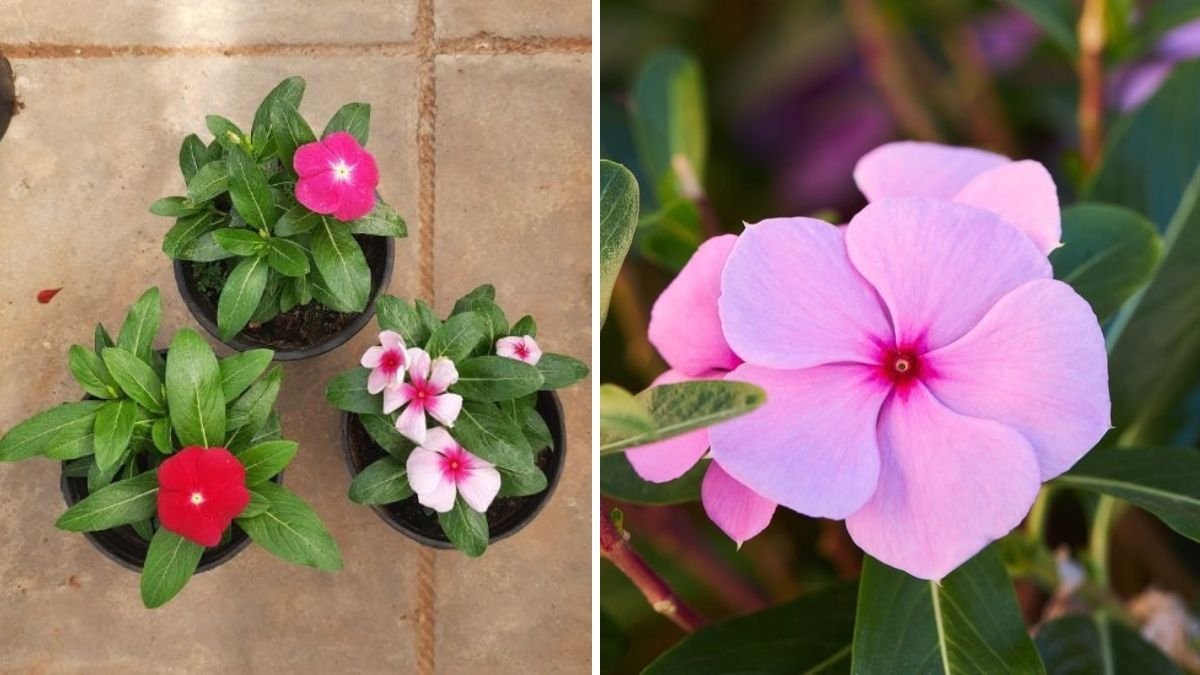
Vinca, also called Sadabahar, Madagascar Periwinkle, or Nayantara, is one of the most beautiful, hardy, and long-blooming flowering plants that thrive almost anywhere. It produces stunning flowers in shades of white, pink, red, purple, peach, and even bi-colors. What makes Vinca truly special is its ability to bloom 365 days a year, especially when given the right care.
If your Vinca plants are looking leggy, producing fewer flowers, or growing slowly, this detailed guide will teach you exactly how to get heavy flowering and keep them bushy, vibrant, and full of blooms.
Let’s unlock the secrets to growing lush, healthy, and continuously blooming Vinca plants at home!
1. Understanding Vinca (Sadabahar): Why It Blooms Continuously
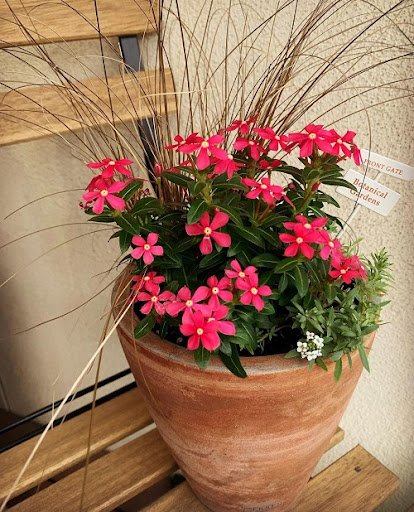
Vinca is a tropical, heat-loving plant that grows extremely well in hot climates. Its nature is simple:
- Loves full sunlight
- Thrives in warm temperatures
- Requires less water
- Prefers well-draining soil
- Blooms continuously with proper pinching and feeding
Knowing these basics helps you provide ideal conditions for heavy flowering.
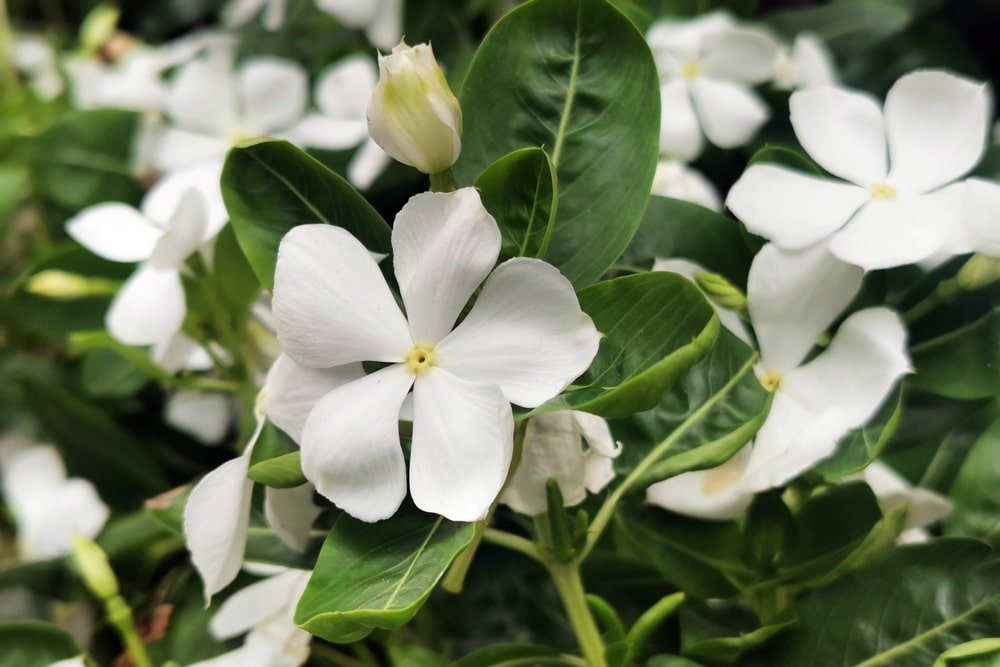
2. Choosing the Right Variety for Maximum Blooms
There are two major Vinca varieties:

(1) Upright or Tall Vinca
- Grows 1–2 feet tall
- Ideal for garden beds and large pots
- Produces large flowers
(2) Dwarf or Bush Vinca
- Compact and bushy
- Perfect for small pots, borders, and balcony gardening
- Produces more blooms
Both varieties flower heavily with the right care, but dwarf vinca plants bloom more densely.
3. Best Containers for Heavy Flowering
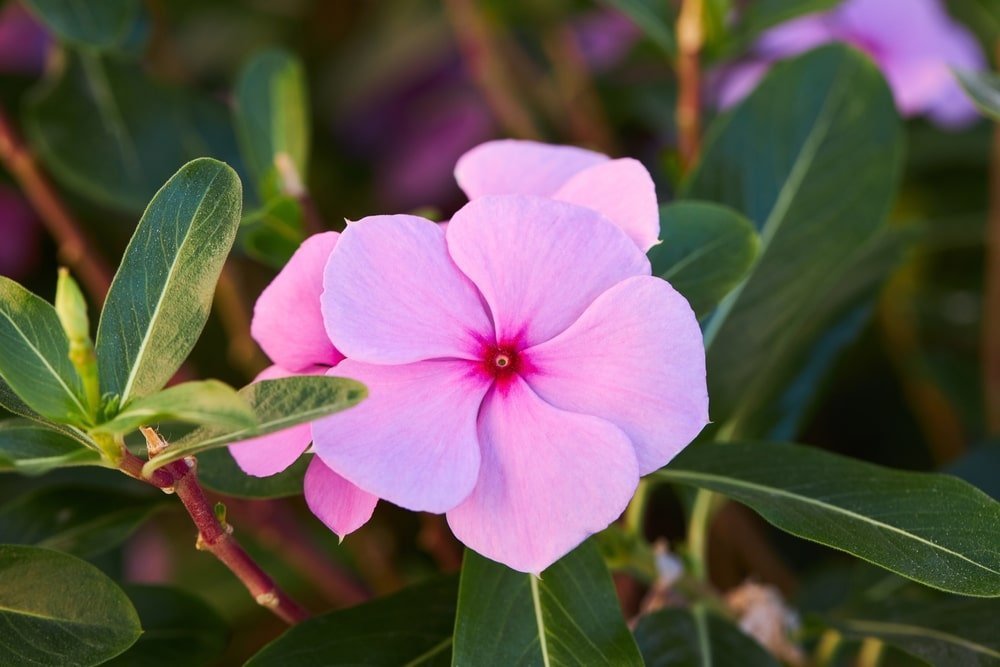
Vinca has a shallow root system. The right pot size boosts growth and flowering.
Ideal container size:
- 8–12 inch pot for one plant
- Ensure good drainage holes
- Clay or terracotta pots work best (dry faster and prevent root rot)
If planting multiple vincas together, use a wider container or trough.
4. Perfect Soil Mix to Boost Flowering
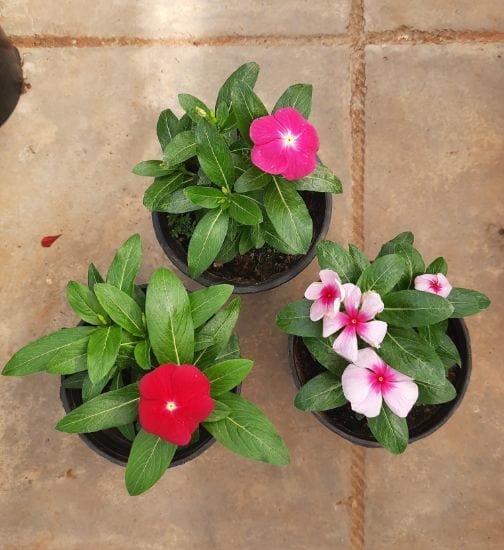
Vinca hates wet and sticky soil. It performs best in loose, airy, fast-draining soil.
Best soil mix for Vinca:
- 40% Garden soil
- 30% Cocopeat
- 20% Compost (vermicompost or cow dung)
- 10% Sand or perlite
You can also add:
- 1 spoon neem cake powder
- A pinch of Epsom salt (optional)
The key is drainage—never plant vinca in heavy or clayey soil.

5. Sunlight Requirements for Heavy Flowering
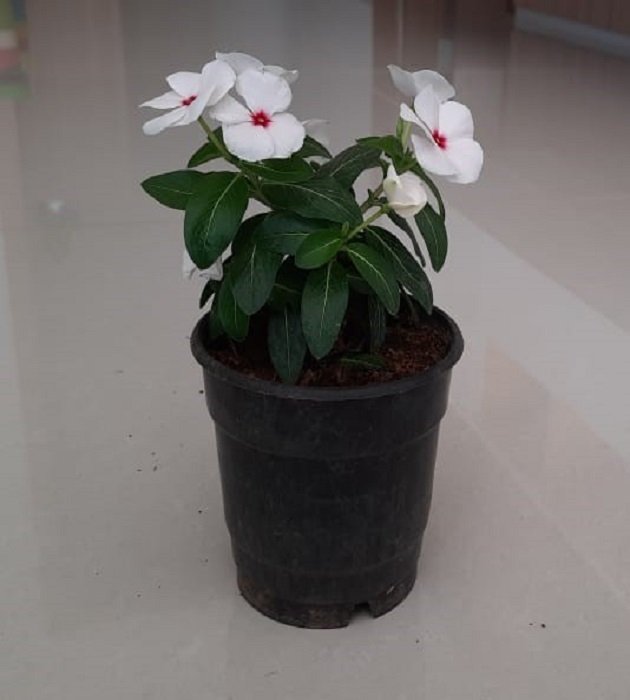
If you want maximum blooms, sunlight is the MOST important factor.
Vinca needs:
- 4–6 hours of direct sunlight
- Bright light for the rest of the day
More sunlight = more branching = more flowers.
Plants kept in low light become:
- Leggy
- Weak
- Low flowering
If garden sunlight is limited, place vinca where it receives morning sun.
6. Watering the Right Way (Very Important!)
Vinca is drought-tolerant and does not like too much water.
Watering rule:
- Water only when the top layer of soil is dry
- Avoid daily watering
- Overwatering can cause root rot and yellow leaves
In summer: water every 1–2 days
In winter: water every 3–4 days

Always water at the base—avoid wetting flowers and leaves.
7. Pinching & Pruning: The Secret to Bushy Growth + Tons of Flowers
One of the biggest mistakes people make is not pinching vinca.
Pinching is essential for:
- More branches
- Dense growth
- Maximum flowers
How to pinch:
- When the plant reaches 4–5 inches, pinch the top 1–2 inches
- New branches grow from the sides
- Repeat the process after 20 days for the next flush
Pruning dry or leggy branches improves airflow and encourages more blooms.
8. Fertilizers for Heavy Flowering (Natural & Effective)
Feeding your vinca regularly is the key to a continuous bloom cycle.
Best fertilizers for Vinca (organic options):
Vermicompost
- Apply once every 20–25 days
- Encourages healthy foliage and roots
Mustard Cake Liquid Fertilizer
- High in potassium
- Best for heavy flowering
- Use once every 10–15 days
Banana Peel Fertilizer
- Boosts flower production naturally
Seaweed Liquid Fertilizer
- Strengthens plant and improves color
Best fertilizer routine:
- Every 2 weeks: liquid fertilizer (mustard cake/seaweed)
- Every month: a handful of compost
Do not use too much nitrogen—it causes more leaves and fewer flowers.
9. Protecting Vinca from Pests & Diseases
Vinca is generally low maintenance, but sometimes may face:

Common pests:
- Aphids
- Mealybugs
- Whiteflies
Prevention:
- Spray neem oil (5 ml per liter) weekly
- Avoid overwatering
- Keep area around plant clean
Yellow Leaves Causes:
- Overwatering
- Poor drainage
- Fungal infection
- Too much fertilizer
Fix the watering schedule and ensure proper airflow.
10. Deadheading: The Trick for Continuous Flowering
Dead or faded flowers should be removed regularly.
Why remove old flowers?
- Encourages new blooms
- Saves plant energy
- Keeps plant neat and clean
Just pinch off the dying flowers with your fingers.
11. Growing Vinca from Seeds or Cuttings
Vinca grows easily in two ways:
From Seeds
- Sow seeds in warm weather
- Lightly cover with soil
- Mist water
- Germinate in 5–7 days
From Cuttings
- Take a 4–5 inch healthy stem
- Remove lower leaves
- Dip in rooting hormone (optional)
- Plant in moist soil
- Roots in 10–15 days
Cuttings bloom much faster than seeds.
12. Tips to Get Maximum Flowers All Year
Follow these special tips for nonstop blooming:
Give 5–6 hours of sunlight daily
Water only when soil feels dry
Use a well-draining soil mix
Pinch tops for bushy growth
Feed liquid fertilizer every 2 weeks
Remove dried flowers (deadheading)
Do not overwater or let water stagnate
Protect from heavy rain during monsoon
Repot yearly for best performance
By following these, your vinca will bloom more than ever!
Conclusion
Vinca (Sadabahar) is an incredibly rewarding flowering plant that can brighten your garden with endless blooms. With just a little care—proper sunlight, correct watering, pinching, and regular feeding—your plant will become bushier, healthier, and full of vibrant flowers throughout the year.
Whether you grow it on your balcony, terrace, or in your backyard, Vinca will never disappoint. Once you master the right techniques, you’ll enjoy heavy flowering season after season.

Leave A Comment