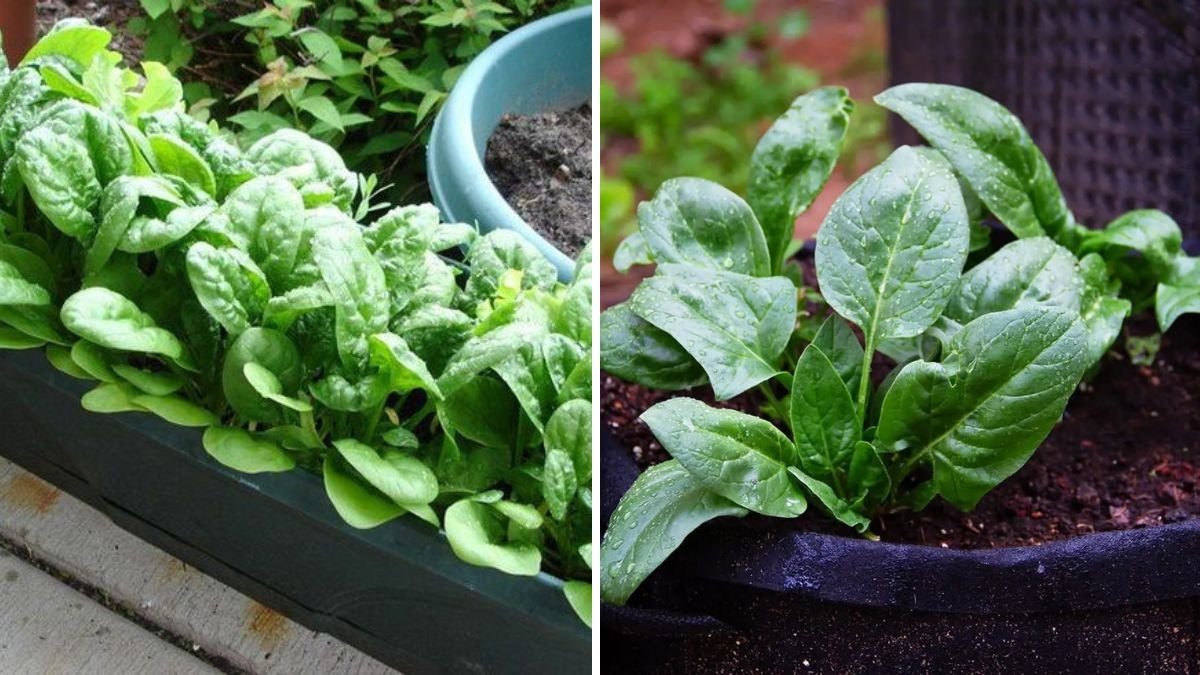
Spinach is one of the easiest, fastest, and most rewarding leafy vegetables you can grow at home. Whether you live in a small apartment, have a balcony garden, or enjoy a full backyard space, spinach fits perfectly into any setup. It grows quickly, needs very little maintenance, and provides an abundant harvest of nutritious green leaves packed with iron, vitamins, and antioxidants.
If you’ve always wanted a continuous supply of chemical-free leafy greens, this complete guide will walk you through how to grow spinach at home successfully—from soil preparation to harvesting and regrowing again.
Why Grow Spinach at Home?
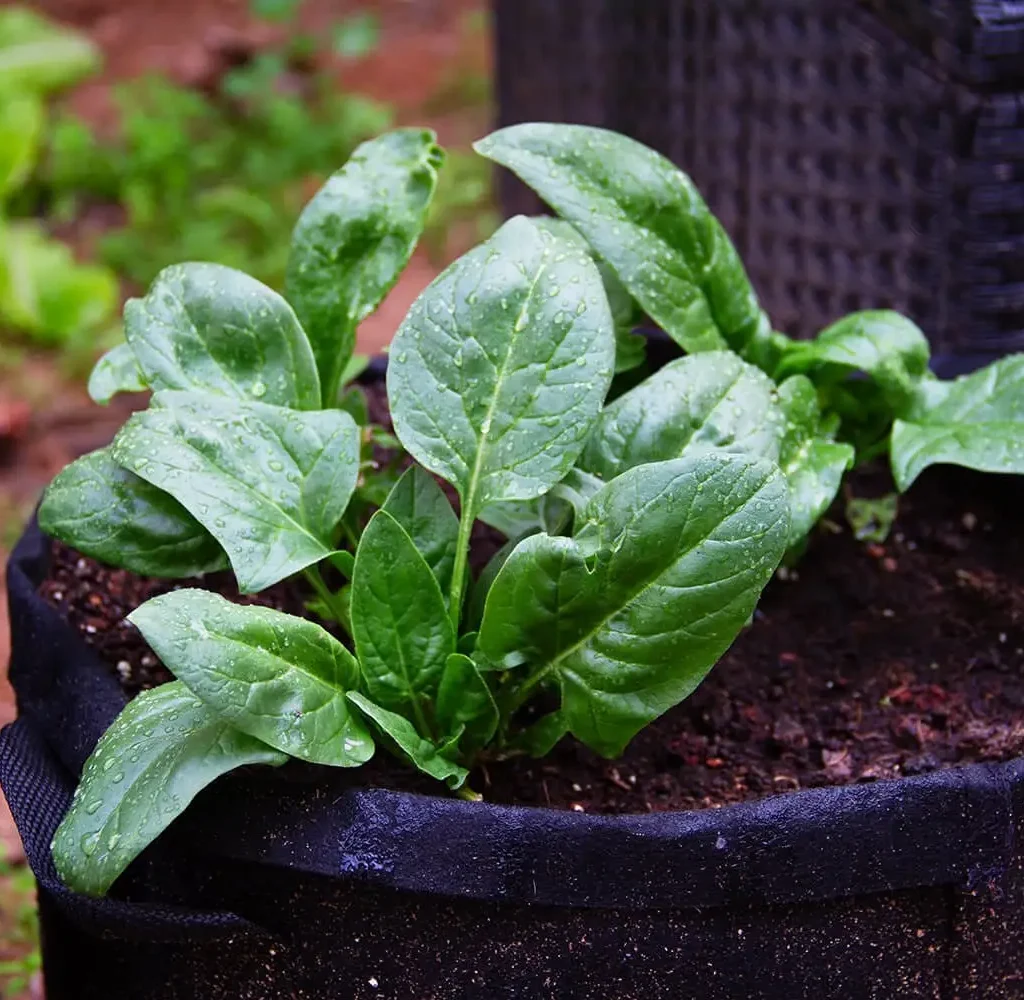
Growing your own spinach gives you many benefits:
- Fresh and organic leaves every week
- Saves money spent on regular market greens
- Grows quickly (ready in 30–40 days)
- Thrives in containers, pots, grow bags, boxes, or ground
- Perfect for beginners
- Can be harvested multiple times (cut-and-come-again method)
Spinach also tolerates partial shade, making it ideal even for low-sunlight balconies.
1. Choosing the Right Variety
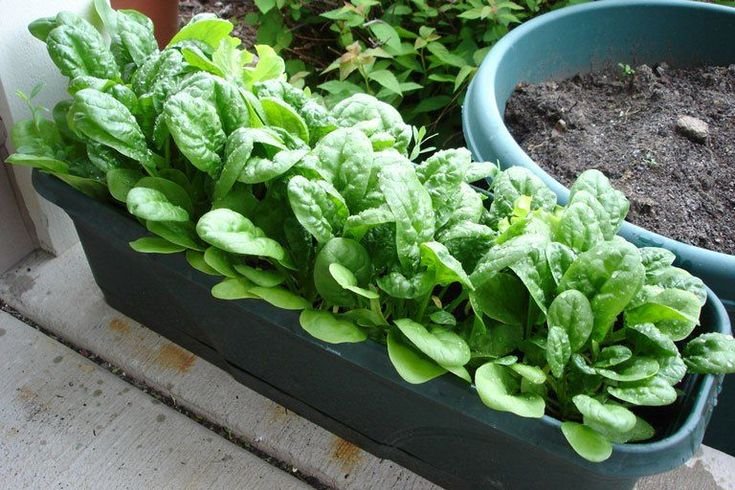
There are two main types of spinach:
Indian Spinach (Desi Palak)
- Heat tolerant
- Grows larger leaves
- Best for warm climates like India
English Spinach (Palak)
- Prefers cool weather
- Leaves are softer and juicier
- Perfect for winter growing
Both do well in containers, but Indian spinach handles heat better.

2. Best Season for Growing Spinach
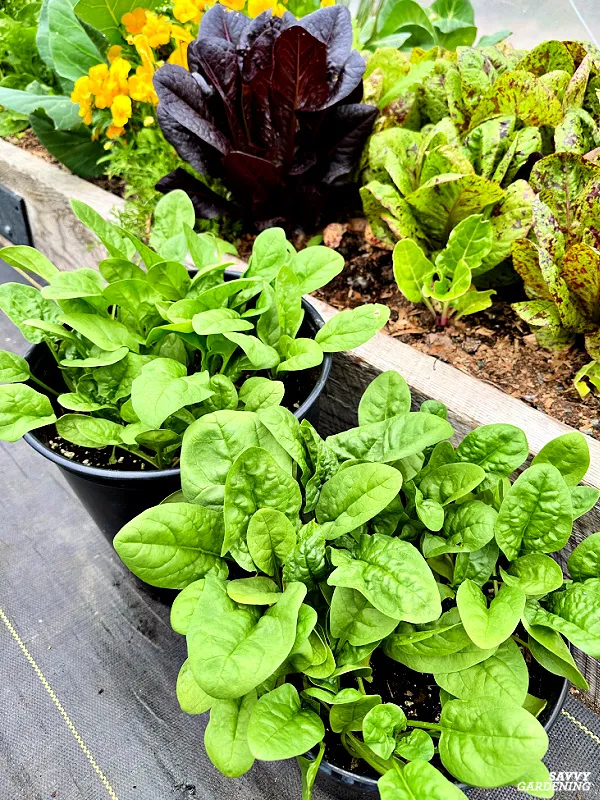
Spinach prefers cool weather, but can grow year-round with care.
Ideal growing months:
- October to February (winter) – fastest growth
- March to June (summer) – requires shade and regular watering
- Monsoon – grows well but avoid waterlogging
3. Containers and Pots for Growing Spinach
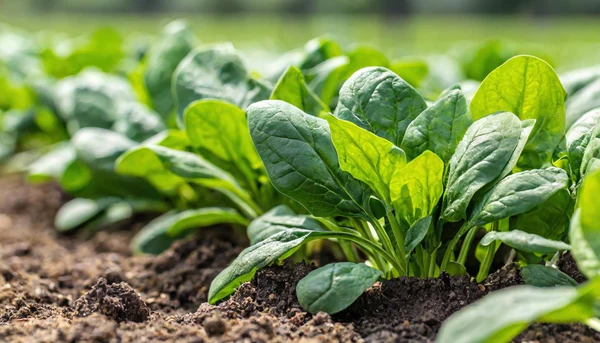
Spinach doesn’t need deep containers because it has shallow roots.
Best container size:
- Height: Minimum 6–8 inches
- Width: 12–24 inches (the wider, the better)
You can use:
- Plastic pots
- Grow bags
- Styrofoam boxes
- Cement pots
- Raised beds
- Balcony rail planters
Ensure the container has good drainage holes to avoid root rot.
4. Best Soil Mix for Spinach
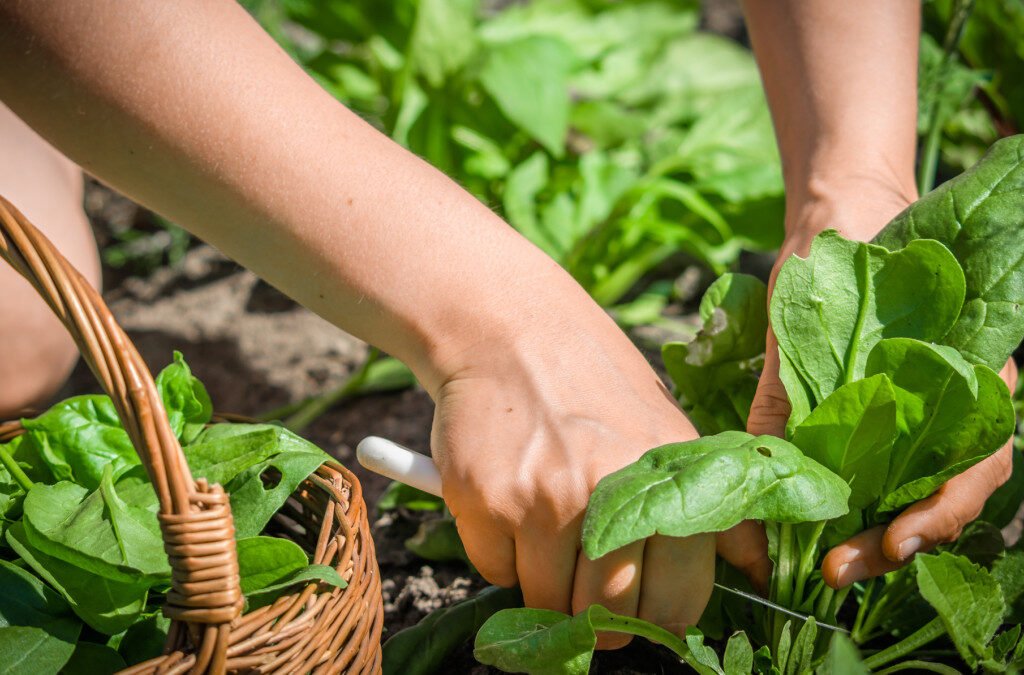
Spinach loves loose, airy, and nutrient-rich soil.
Perfect soil mix:
- 40% Garden soil
- 30% Compost (Vermicompost / Cow dung / Homemade compost)
- 20% Cocopeat
- 10% Sand
Optional boosters:
- 1 handful neem cake (keeps pests away)
- 1 spoon bone meal (encourages leafy growth)
Before sowing, loosen the soil so seeds can sprout easily.

5. How to Sow Spinach Seeds Properly
Spinach seeds are small but strong growers. Follow these steps:
Step-by-step seed sowing:
- Moisten the soil lightly before sowing.
- Sprinkle the seeds evenly across the soil surface.
- Maintain 2–3 cm spacing between seeds.
- Cover them with a thin layer of soil (0.5–1 cm).
- Water gently using a spray bottle to avoid seed displacement.
- Keep the pot in partial shade until they sprout.
- Seeds germinate in 4–7 days.
Tip:
For faster germination, soak the seeds in water for 4–6 hours before sowing.
6. Caring for Spinach Plants (Daily to Weekly Care)
Spinach is low maintenance but needs consistent care.
Watering
- Keep the soil moist but not soggy.
- In summer: water daily
- In winter: water every 2–3 days
- Avoid overhead splashing—use a spray or a gentle shower.
Sunlight
Spinach thrives in:
- 3–4 hours of sun
- Or bright indirect light for the rest of the day
Too much sun → leaves may become bitter
Too little sun → slow growth
Fertilizing
Feed spinach every 12–15 days to keep leaves tender and green.

Best fertilizers:
- Vermicompost
- Cow dung compost
- Mustard cake water
- Seaweed extract
How to apply:
Spread compost around the base OR use liquid fertilizer by mixing in water.
7. Preventing Pests and Diseases
Spinach is mostly pest-free, but sometimes you may face:
Common pests:
- Aphids
- Leaf miners
- Caterpillars
Solutions:
- Spray neem oil (5 ml per liter) weekly
- Remove affected leaves
- Keep plants airy, not overcrowded
Avoid chemical pesticides because spinach is eaten fresh.
8. Thinning and Spacing
When seedlings grow 2–3 inches tall, they become overcrowded.
Thin them out by removing some plants, keeping 3–4 inches distance.
Use removed seedlings as microgreens in salads—nothing goes waste!

9. When and How to Harvest Spinach
Spinach grows very fast and is ready to harvest in 30–40 days.
Two harvesting methods:
(A) Cut-and-Come-Again Method
- Cut the outer leaves
- Leave the center intact
- New leaves keep growing continuously
This gives 3–5 harvests.
(B) Full Harvest
- Pull out the entire plant
- Use it for curries, soups, smoothies, dal, paratha, etc.
Harvesting tips:
- Harvest early morning for best freshness
- Never cut more than 30–40% at once
- Regular harvesting promotes more leaf growth
10. Regrowing Spinach for Continuous Supply
After first harvest, apply liquid fertilizer and water well.
Spinach starts producing again within 5–7 days.
With proper care, you can enjoy spinach for 2–3 months from one sowing.
11. Growing Spinach in Small Spaces
Spinach is fantastic for compact gardening!
Perfect for:
- Balcony gardens
- Kitchen windows
- Small patios
- Indoor sunny areas
- Terraces
You can grow spinach in:

- Trays
- Plastic boxes
- Hanging planters
- Vertical planters
Even a 1-foot pot can supply a small family with weekly greens.
12. Bonus Tips for Growing Lush Spinach
- Avoid overwatering—leads to fungal issues
- Protect from hot summer afternoon sun
- Add compost monthly for rich leafy growth
- Mulch the soil to keep moisture intact
- Sow seeds every 25–30 days for continuous harvest
- Don’t let the plant bolt (produce flowers)
- Move to shade
- Water regularly
- Keep soil cool
Final Thoughts
Growing spinach at home is incredibly rewarding, simple, and perfect for beginners. With minimal effort, you can enjoy fresh, pesticide-free, and nutrient-rich spinach straight from your balcony or garden.
Whether you want to make palak paneer, smoothies, salads, parathas, or soups—your homegrown supply will always be fresh, safe, and full of flavor.

Leave A Comment