
Pineapples are more than just a tropical treat—they are a symbol of warmth, hospitality, and homegrown goodness. What if I told you that you could grow your very own pineapple at home without spending a dime? Yes, you heard it right! Growing pineapples can be simple, fun, and rewarding, even if you don’t have a big garden. In this guide, we’ll explore a step-by-step approach to grow pineapples fast and easily using simple techniques.
Why Grow Pineapple at Home?

Pineapples are packed with vitamins, antioxidants, and digestive enzymes that can help boost your health. By growing your own, you get:
- Freshness: Nothing beats the taste of a freshly grown pineapple.
- Cost-saving: You can grow a pineapple without buying expensive plants or seedlings.
- Sustainability: Using kitchen scraps reduces waste and helps the environment.
- Satisfaction: Watching your pineapple grow from a top to a full plant is incredibly rewarding.
Even if you have limited space, a sunny balcony or a small pot can become your pineapple paradise.
Materials You’ll Need
You don’t need fancy gardening tools. Here’s all you need to get started:

- A fresh pineapple: Choose one with healthy green leaves and no signs of rot.
- A sharp knife: To remove the leafy top safely.
- A container or pot: Preferably with drainage holes.
- Potting soil: Light, well-draining soil works best.
- Water: Regular watering is essential but avoid overwatering.
Optional: Sand, compost, or a fertilizer to encourage faster growth.
Step 1: Preparing the Pineapple Top
The easiest way to grow a pineapple is from its leafy crown. Follow these steps:
- Twist or cut off the top from a fresh pineapple. Remove any fruit flesh attached to the crown to prevent rotting.
- Peel off the lower leaves to expose about an inch of the stem.
- Let the crown dry for 1–2 days in a cool, dry place. This helps prevent rot when planted.
Pro tip: Look for green, healthy leaves—these are signs of a good, viable plant.
Step 2: Rooting the Pineapple

Before planting, it’s better to encourage roots to form. Here’s how:

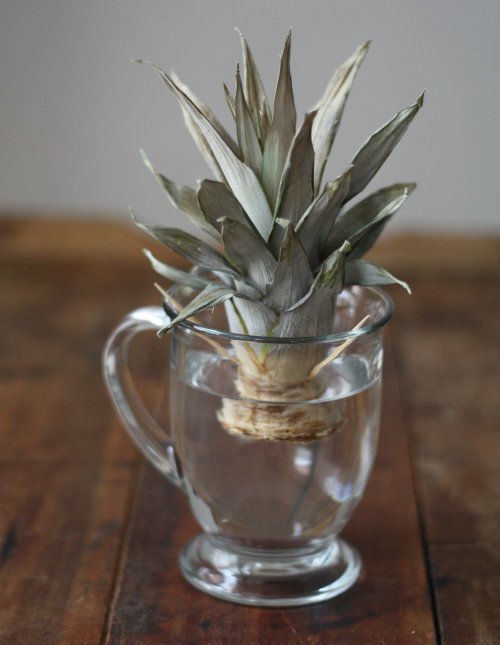
- Fill a glass with water and place the pineapple top so that only the base is submerged.
- Change the water every 2–3 days.
- After 2–3 weeks, you’ll notice roots growing from the base.
If you prefer, you can skip the water rooting and plant directly in soil, but rooting first often improves success rates.
Step 3: Planting Your Pineapple
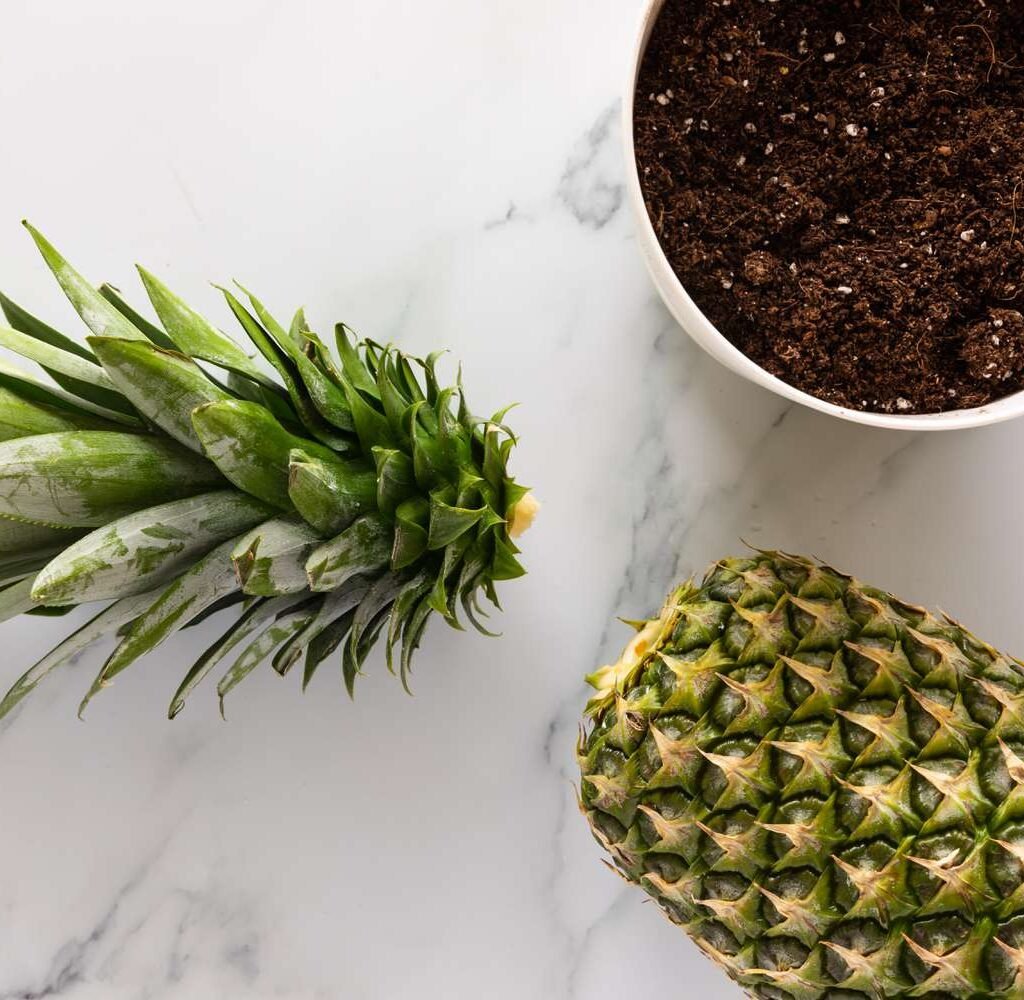
Once roots have formed, it’s time to plant.
- Choose a pot with good drainage to prevent waterlogging.
- Fill it with light, well-draining potting soil. Mixing sand or perlite with soil works well.
- Plant the pineapple top so the roots are buried and the leaves are above the soil.
- Press the soil gently around the base to secure the plant.
Place your pot in a sunny spot—pineapples love warmth and sunlight. A balcony, sunny window, or greenhouse works perfectly.
Step 4: Watering and Care
Caring for your pineapple is simple if you follow these tips:

- Watering: Keep the soil lightly moist but not soggy. Pineapples are drought-tolerant, so it’s better to underwater than overwater.
- Sunlight: Pineapples need at least 6–8 hours of bright sunlight per day.
- Fertilizing: Use a balanced fertilizer every 6–8 weeks to encourage growth. Organic compost or liquid fertilizer works well.
- Temperature: Pineapples thrive in warm temperatures (65–95°F / 18–35°C). Protect from frost or cold drafts.
Remember, patience is key. Pineapple plants grow slowly at first but pick up speed once they are established.
Step 5: Encouraging Faster Growth
Want to speed up growth? Here are a few tips:
- Remove dead leaves regularly to allow new growth.
- Repotting: Move your pineapple to a larger pot as it grows to avoid root crowding.
- Humidity: Pineapples enjoy humid conditions, so misting the plant occasionally helps.
- Fertilizer: Use a fertilizer high in nitrogen during early growth and switch to potassium-rich fertilizer before flowering.
With proper care, you’ll notice your pineapple developing a strong, healthy plant within months.
Step 6: Flowering and Fruit Development
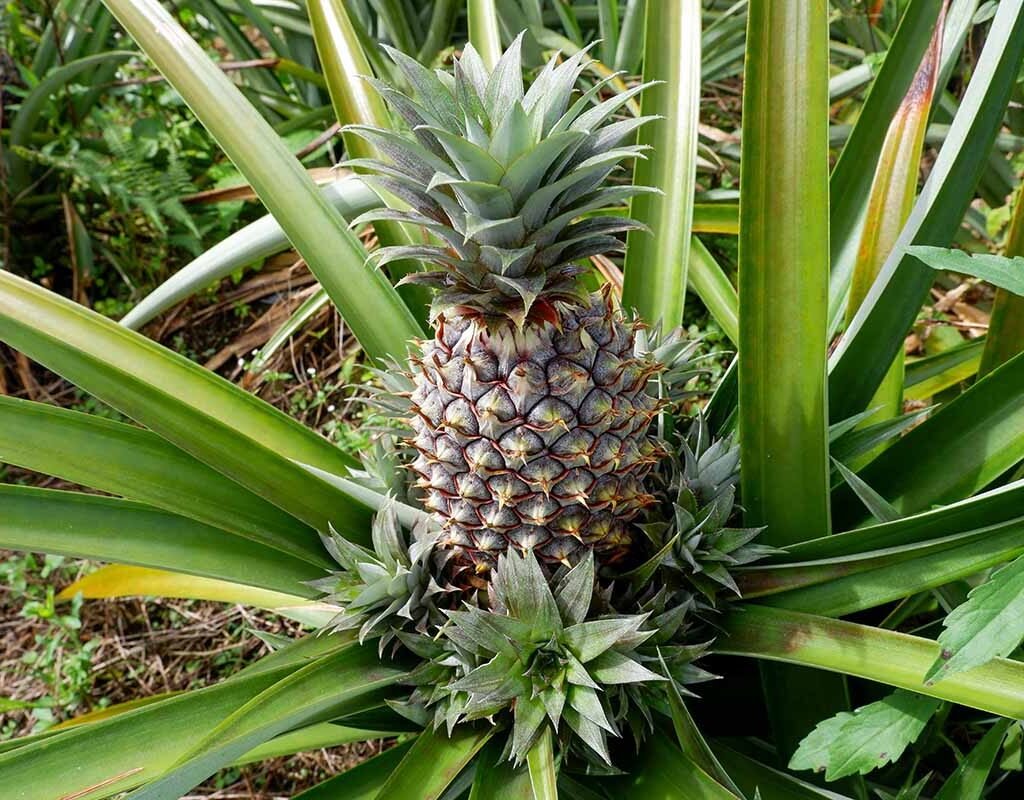
Growing a pineapple from top to fruit takes patience—usually 18–24 months, but your effort is worth it.

- Pineapples produce a single flower spike that eventually turns into a fruit.
- Once the plant flowers, it’s important to continue sunlight, water, and fertilization.
- A single pineapple fruit develops in the center of the plant. Depending on the variety, the fruit may take 5–7 months to ripen.
Tip: If your plant flowers early, removing the flowers temporarily can encourage stronger growth before fruiting.
Step 7: Harvesting Your Pineapple
You’ll know your pineapple is ready to harvest when:
- The fruit turns golden yellow.
- The aroma is sweet and tropical.
- The fruit feels slightly soft when pressed gently.
Use a sharp knife to cut the fruit off at the base. You can also save the top to grow a new pineapple, repeating the process for continuous harvests.
Extra Tips for Success
- Pest control: Pineapples are generally pest-resistant, but watch out for mealybugs and scale insects. A gentle neem oil spray works well.
- Propagation: Besides tops, pineapples can also be grown from slips (side shoots) or suckers for faster fruiting.
- Companion planting: Keep your pineapple away from very large plants to avoid competition for sunlight.
Conclusion
Growing a pineapple at home may seem like a long journey, but it’s a rewarding adventure that combines gardening with a touch of tropical magic. By following these simple steps—preparing the crown, rooting, planting, and caring for your plant—you can enjoy fresh, homegrown pineapples for free.

Whether you have a balcony, a small backyard, or even a sunny windowsill, this easy, cost-free method lets you experience the joy of growing your own tropical fruit. From the first green crown to the golden, juicy fruit, your pineapple plant is a testament to patience, care, and the simple pleasures of home gardening.
So why wait? Grab a pineapple, start growing, and watch your tiny plant transform into a tropical delight right at home!

Leave A Comment