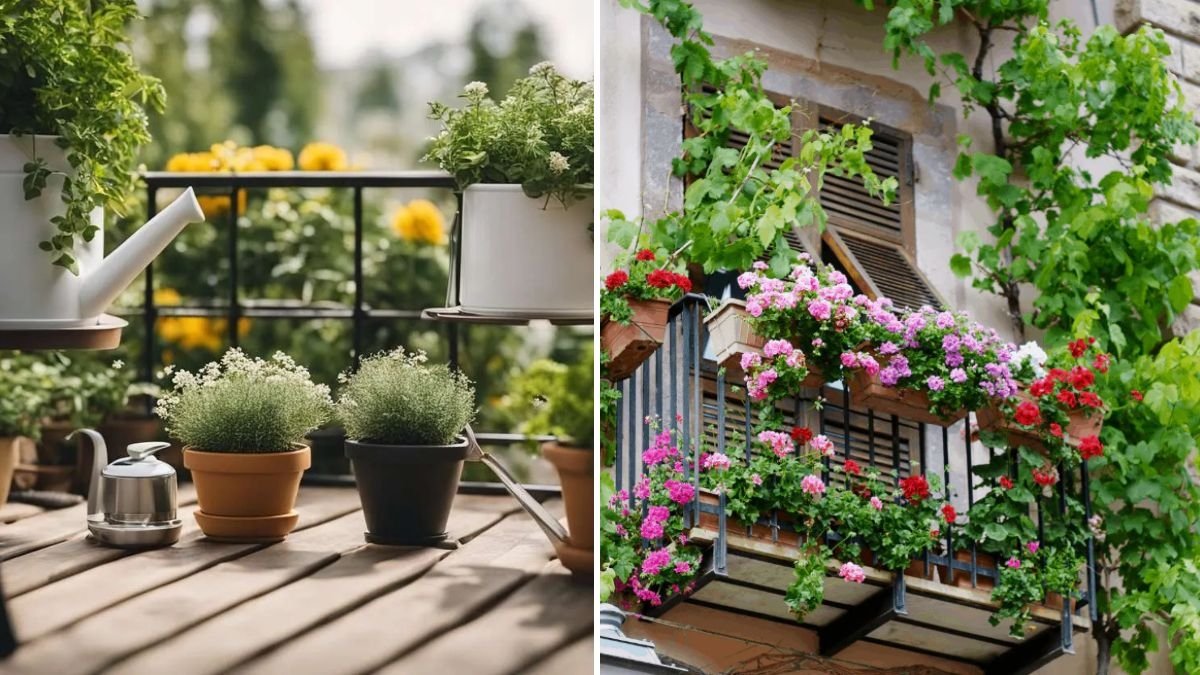
A balcony garden should be more than a visual retreat—it can also be a beautifully scented sanctuary that lifts your mood and enhances your daily living. Whether you prefer floral sweetness, refreshing herbal scents, or warm, exotic notes, adding fragrance to your balcony garden is easier than you think. With thoughtful plant selection, clever placement, and strategic care, your small outdoor space can become a fragrant haven that soothes the senses the moment you step outside.
In this 1200-word guide, you’ll learn how to select the best aromatic plants, arrange them for maximum scent impact, and maintain them so your balcony smells wonderful all year long.
Why a Fragrant Balcony Garden Matters
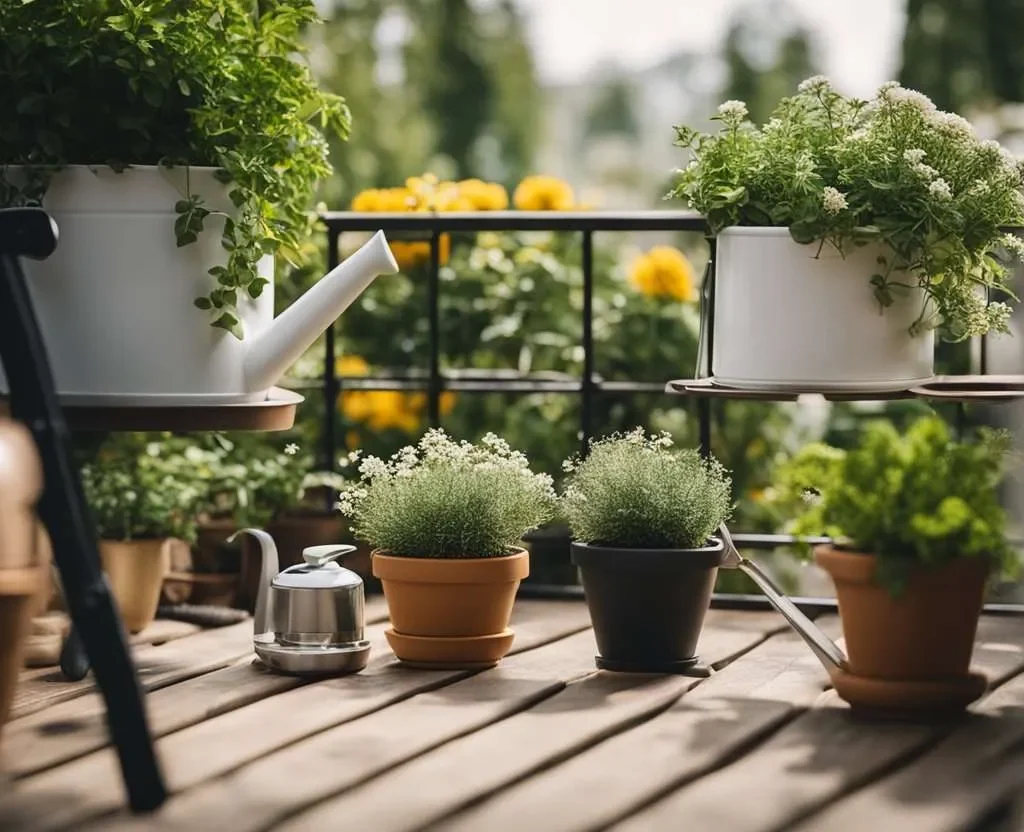
Fragrance has the power to transform spaces in ways sight alone cannot. A scented balcony garden can:
- Reduce stress and encourage relaxation
- Improve your mood instantly
- Create a more luxurious outdoor environment
- Mask unpleasant urban smells
- Enhance outdoor dining or morning tea rituals
Even if your balcony is tiny, aromatically rich plants can dramatically change the atmosphere.
1. Choose the Right Fragrant Plants for Your Balcony
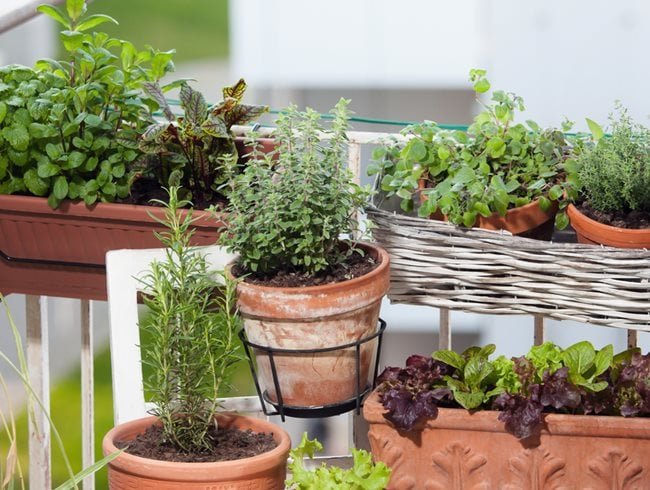
The foundation of a scented garden is, of course, the plants. Choose varieties that thrive in containers and stay fragrant throughout most of the year. Here are some of the best options:
A. Fragrant Flowering Plants
1. Jasmine
One of the most iconic scented blooms, jasmine (especially Arabian Jasmine or Star Jasmine) releases its perfume in the evenings, making it perfect for night relaxation.
2. Gardenia
Gardenias boast creamy, elegant flowers with a rich, intoxicating fragrance. They require slightly acidic soil and filtered sunlight to thrive.
3. Roses
Compact or dwarf rose varieties do extremely well in pots. Their fragrance ranges from sweet to spicy, depending on the variety.

4. Lavender
Lavender adds a calming scent and is loved for its soothing, herbal aroma. It performs well on sunny balconies.
5. Honeysuckle
A climbing plant with beautiful golden-white flowers, honeysuckle brings a sweet, nostalgic fragrance to warm evenings.
B. Aromatic Herbs
Herbs not only smell amazing but are also useful for cooking and teas.
1. Mint
Refreshing, cooling, and invigorating. Keep mint in a separate container to prevent it from taking over other pots.
2. Basil
Sweet basil and Thai basil both release a bold, spicy scent whenever you brush against their leaves.
3. Rosemary
With its pine-like aroma, rosemary adds freshness and thrives in sunny spaces.
4. Lemon Balm
Crush a leaf and you’ll get an instant burst of citrus fragrance.
5. Thyme
Lemon thyme, in particular, emits a delightful citrusy smell.

C. Fragrant Foliage Plants
These plants smell wonderful even without flowers.
1. Scented Geraniums
Available in rose, lemon, and even chocolate-scented varieties.
2. Curry Leaf Plant
Its unique, savory aroma instantly transforms your balcony into a culinary garden.
3. Hoya Plants
Some hoyas produce lightly scented blooms, while others have aromatic leaves.
2. Arrange Plants to Maximize Their Fragrance

Placement can make a big difference in how noticeable the scent is. Use the following tips to create a fragrance-friendly layout:
Put Scented Plants Near Seating Areas
Place jasmine, lavender, or scented geraniums near your favorite chair or café table for an immersive experience.
Use Height and Levels
Arranging plants at varying heights helps scents mingle and disperse naturally. Try:
- Hanging baskets
- Rail planters
- Multi-level shelves
- Vertical stands
Cluster Plants with Complementary Scents
Grouping certain plants enhances their fragrance:

- Lavender + Rosemary for a calming herbal corner
- Jasmine + Gardenia for romantic floral notes
- Basil + Mint + Lemon Balm for an energizing herb station
Create Fragrance Zones
Divide your balcony into areas based on scent categories:
- Floral zone near entry
- Herbal zone near kitchen door
- Citrus zone near seating
- Evening fragrance zone for plants that bloom at dusk (like jasmine)
3. Use Containers, Soil, and Care Techniques That Boost Aroma
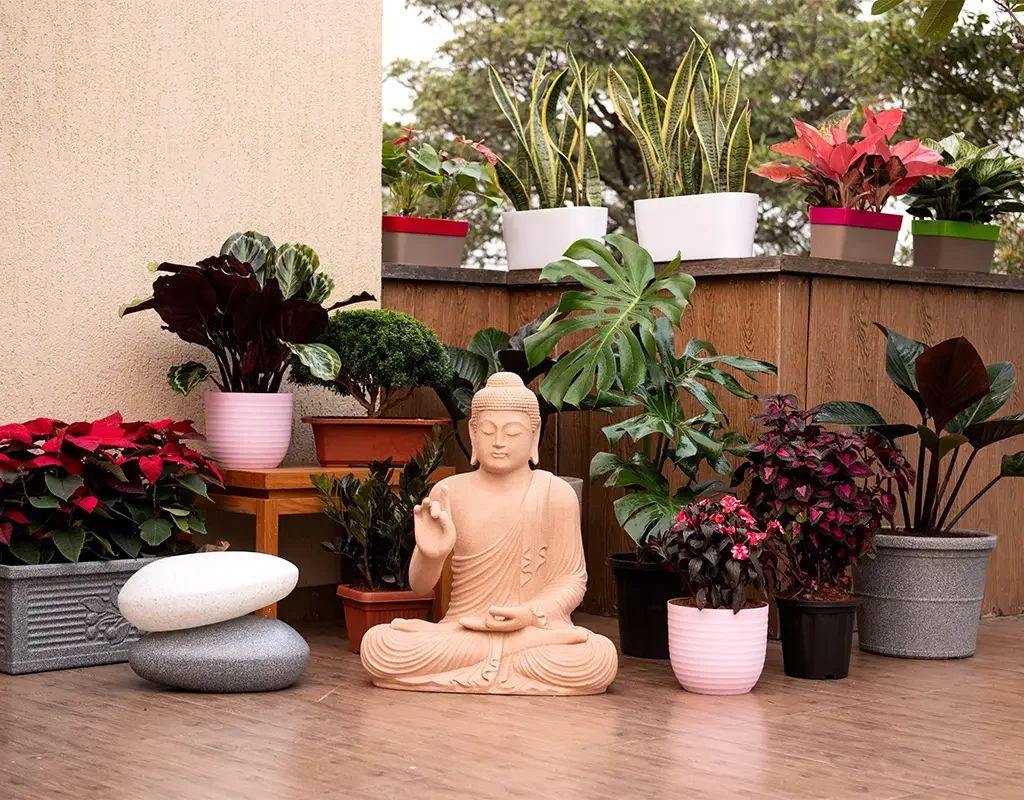
Healthy plants smell stronger. Poor soil or incorrect watering reduces aroma. Here’s how to create optimal growing conditions:
Choose Breathable Containers
Terracotta and ceramic pots help regulate moisture and prevent root rot—important for lavender, rosemary, and roses.
Use Well-Draining Soil
Scented plants prefer airy, nutrient-rich mixes. For example:
- Lavender and rosemary need sandy soil.
- Gardenias require acidic potting mix.
- Herbs grow well in lightweight, fast-draining soil.
Water Correctly
Overwatering reduces fragrance intensity and invites disease. Water when the top inch of soil feels dry—except for mint and basil, which prefer slightly moister soil.
Deadhead and Prune Regularly
Removing old flowers encourages new growth—and new scent.
Expose Plants to Adequate Sunlight
Most aromatic plants strengthen their scent in good sunlight. If your balcony has limited sun:
- Choose shade-friendly scented plants (jasmine, gardenia).
- Use reflective surfaces to bounce light.
- Rotate pots weekly for even growth.
4. Add Natural Fragrance Enhancers and Accessories
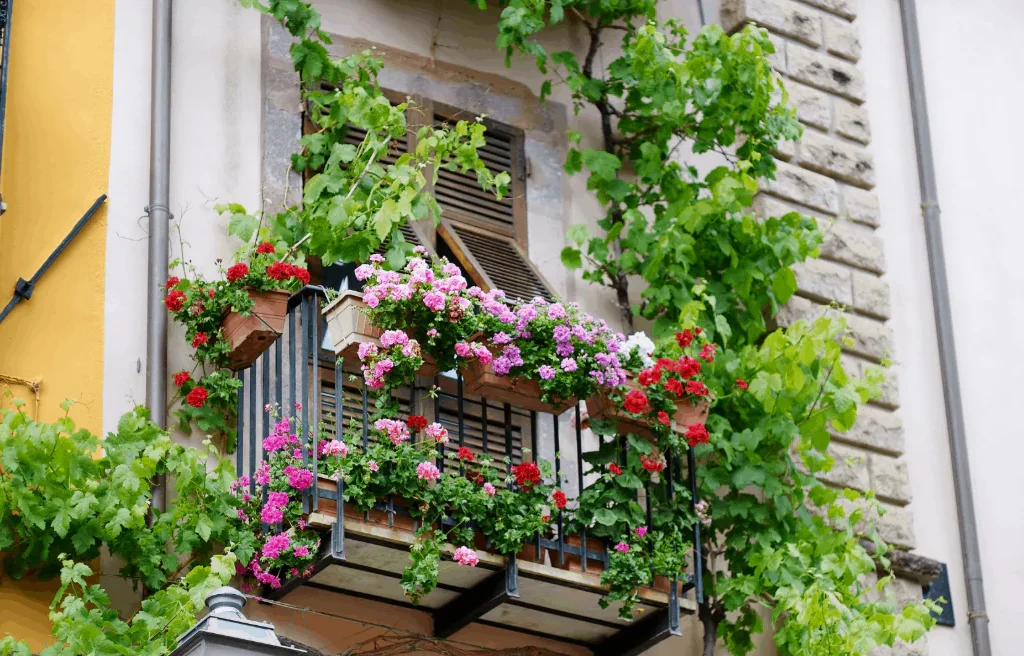
Plants are the main attraction, but there are ways to amplify fragrance naturally without overpowering the garden.

Use Mulch with Natural Aroma
Lavender-infused mulch, dried rose petals, or cedar chips add subtle scent and keep moisture balanced.
Grow Plants in Slightly Crowded Pots
Some herbs produce stronger scent when grown slightly compact—they feel “stressed,” which can enhance essential oil concentration.
Create Wind Flow
A gentle breeze carries fragrance across the balcony. Use:
- Open gaps
- Small fans
- Airflow-friendly layouts
Add Fragrance Stimulating Companions
Plants like lavender become more aromatic when grown near oregano or sage.
5. Maintain Your Fragrant Balcony Garden Year-Round
Keeping your scented plants healthy will ensure continuous aroma throughout the year.
Seasonal Tips
Spring
- Refresh soil
- Prune winter damage
- Add blooming annuals like sweet alyssum or petunias
Summer
- Water early mornings
- Provide shade cloth for sensitive plants
- Fertilize lightly every 3–4 weeks
Autumn
- Move plants like jasmine or gardenia away from harsh wind
- Collect dried herbs for indoor fragrance
Winter
- Bring cold-sensitive plants indoors
- Reduce watering significantly
- Use humidity trays for indoor aromatics
Pest Prevention
Healthy fragrant plants naturally repel pests, but watch out for:
- Aphids
- Spider mites
- Mealybugs
Neem oil or soapy water is usually enough to keep them under control.
6. Bonus: DIY Ways to Enhance Balcony Fragrance
Besides plants, try these simple and natural scent boosters:

Herb Bundles
Hang small bundles of rosemary, thyme, and lavender around railings.
Aromatic Pebbles
Add essential oil drops to decorative stones for subtle scent.
Flower Petal Bowls
Place small bowls of dried jasmine or rose petals on tables.
Scented Wind Chimes
Attach herb bundles or cinnamon sticks to bamboo chimes for movement-based aroma release.
Final Thoughts
A fragrant balcony garden is a beautiful blend of visual appeal and sensory delight. With the right plant choices, thoughtful arrangement, and proper care, your balcony can become a peaceful scented oasis where nature’s aromas surround you. Whether you prefer romantic floral notes, refreshing herbal scents, or soothing earthy aromas, there’s a perfect combination waiting for you.

Leave A Comment