
Not every balcony is blessed with bright, all-day sunshine. Many urban homes face north, are shaded by tall buildings, or have overhangs that block direct sunlight for most of the day. For beginners, this can feel discouraging — especially when so many plants are labeled “sun-loving.” But here’s the good news: a low-light balcony can still be transformed into a lush, thriving garden if you understand how to work with the light you have.
In this comprehensive 1200-word guide, we will explore smart strategies, plant choices, layout ideas, and gardening techniques that allow you to make the MOST out of limited sunlight. Whether your balcony gets only morning sun, only evening light, or a brief window of brightness, you can still enjoy a beautiful green space.
Understanding Your Balcony’s Light Levels
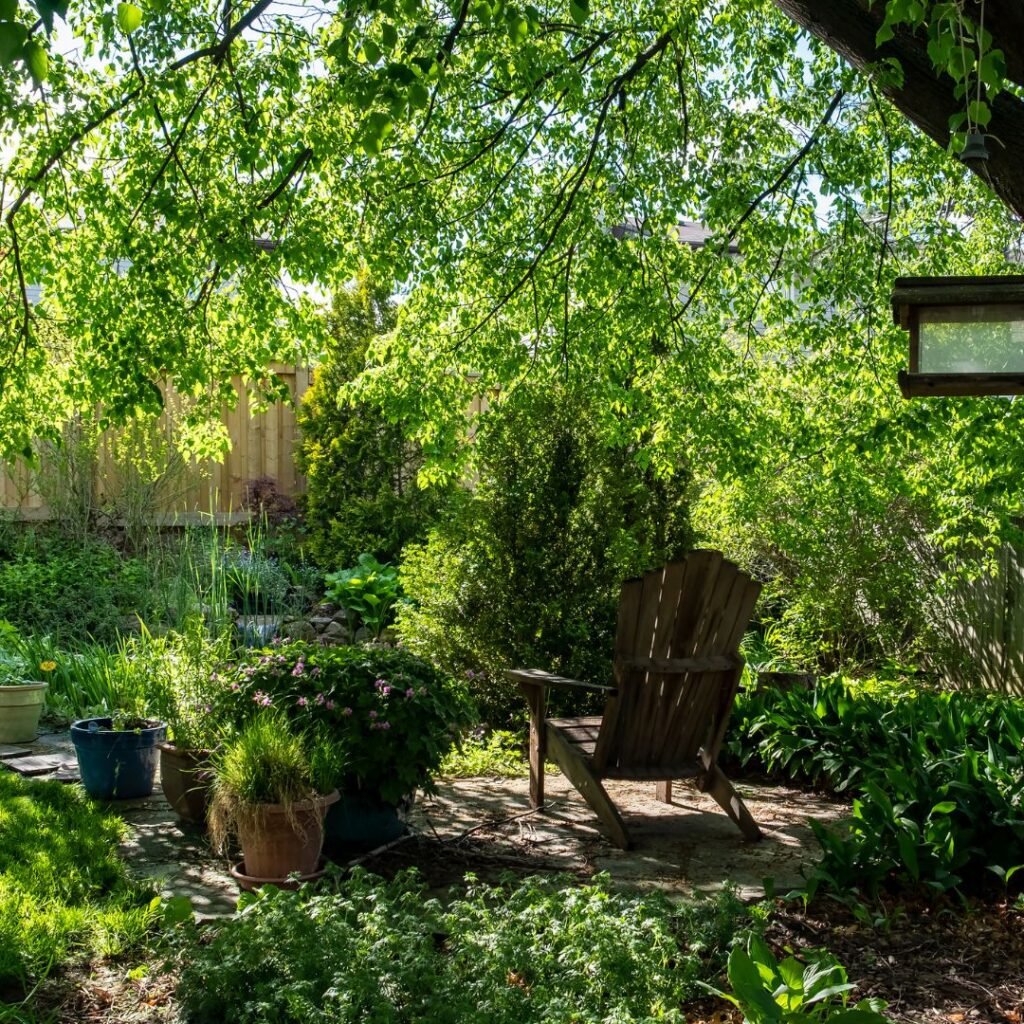
Before choosing plants or arranging pots, the first step is to observe your balcony’s natural light pattern. Even shady balconies receive different types of light throughout the day.
1. Types of Low-Light Conditions
- Bright shade: Filtered light for most of the day. Ideal for many indoor plants.
- Partial shade: Direct sun for 2–3 hours.
- Deep shade: Almost no direct sun; light reflected from nearby walls or buildings.
2. Track Sun Movement
Spend a day noting:
- Where sunlight falls and for how long
- Which areas stay bright even without direct sun
- Any surfaces (walls, windows, rooftops) that reflect light onto your balcony
Understanding this helps you place the right plants in the right spots.
Choose Plants That Thrive in Low Light
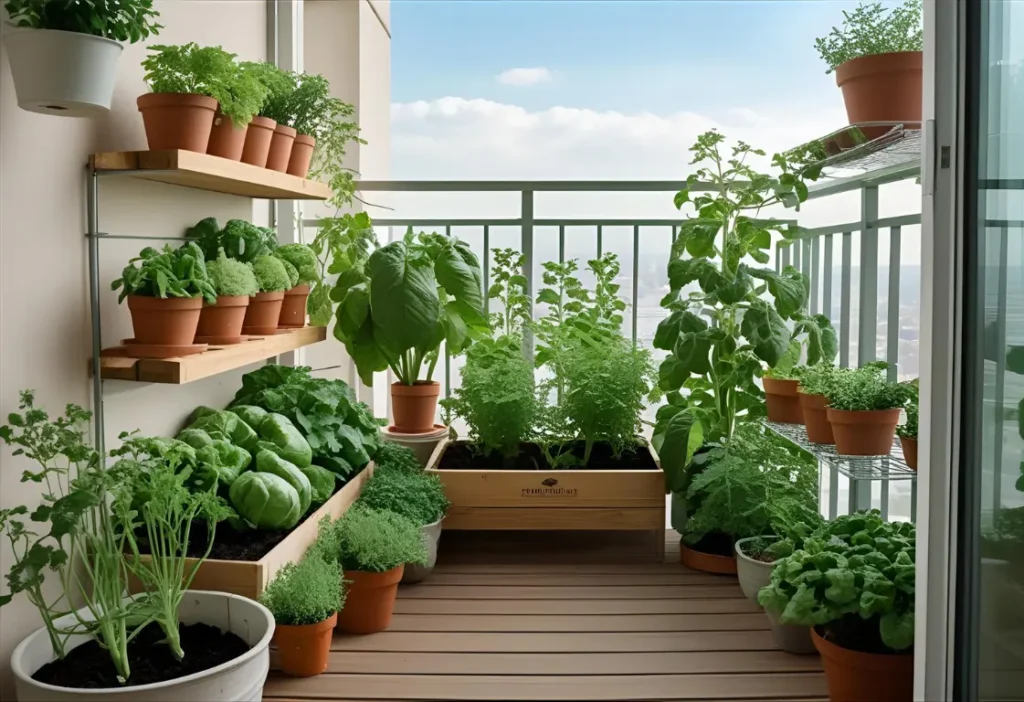
One of the biggest mistakes gardeners make is forcing sun-loving plants into shaded spaces. Instead, choose species naturally adapted to low-light environments.
Here are some perfect low-light balcony plants:
1. Shade-Tolerant Leafy Greens
These plants don’t need full sunlight and actually grow sweeter and tender in low light:
- Spinach
- Lettuce
- Kale
- Swiss chard
- Arugula
These vegetables require only 2–3 hours of sunlight or bright indirect light.

2. Herbs That Grow Well in Shade
Not all herbs need full sun. Try:
- Mint
- Parsley
- Coriander
- Chives
- Lemon balm
Herbs like basil prefer sun, but these thrive in filtered light.
3. Ornamental Foliage Plants
These plants bring lush greenery without needing direct sun:
- Snake plant
- ZZ plant
- Peace lily
- Pothos
- Ferns
- Calathea
They are perfect for balconies with bright but indirect light.
4. Flowering Plants for Low Light
A few flowering plants tolerate shade surprisingly well:
- Impatiens
- Begonias
- Hydrangeas
- Fuchsia
They brighten up your space with color, even in low-sun areas.
5. Compact Shrubs
Some shrubs like asparagus fern and schefflera grow beautifully on low-light balconies.
Maximize the Available Light
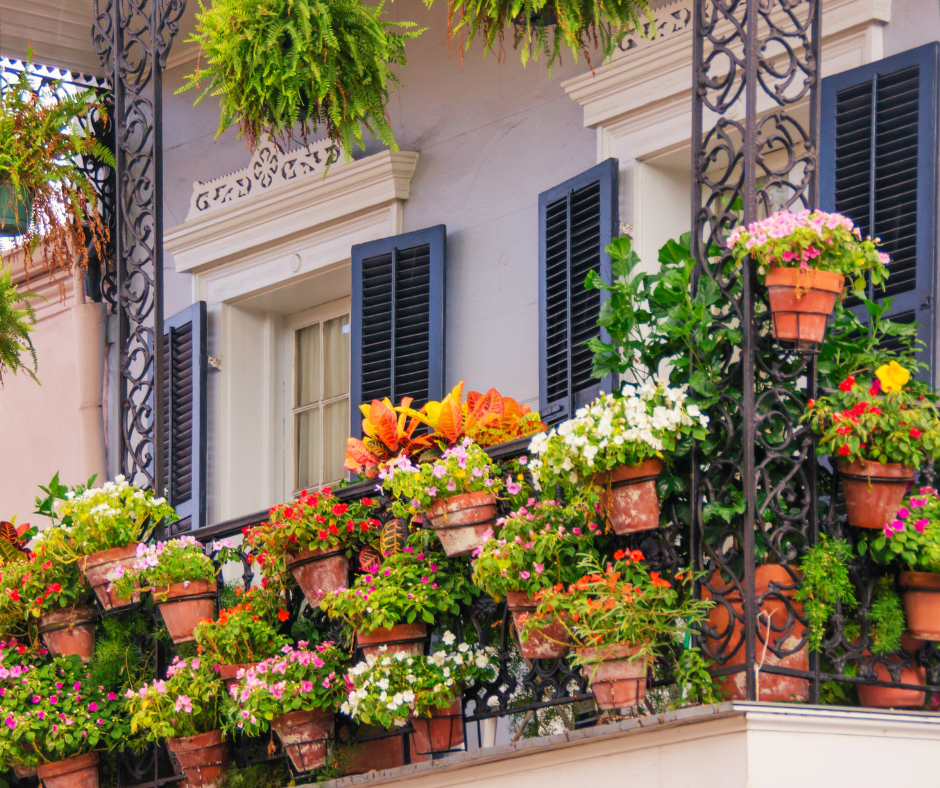
Even if sunlight is limited, there are many creative ways to maximize what your balcony does receive.

1. Use Light-Colored Surfaces
White or pastel walls, railings, and flooring reflect more light to your plants.
Consider:
- Painting a wall
- Adding white planters
- Using reflective tiles
2. Add Reflective Accessories
Mirrors and reflective sheets bounce sunlight where it’s needed.
Ideas include:
- A mirror fixed on the opposite wall
- Aluminium reflective sheets behind plants
- Shiny ceramic or glass pots
These help brighten dark corners instantly.
3. Keep Plants Clean
Dust on leaves blocks their ability to absorb sunlight.
Wipe leaves once a week with a damp cloth.
4. Use Vertical Space Wisely
Placing plants at different heights ensures all get at least some light.
Try:
- tiered stands
- wall-mounted planters
- hanging baskets
Tall plants shouldn’t block shorter ones — arrange from low to high.

Make Smart Plant Placement Decisions
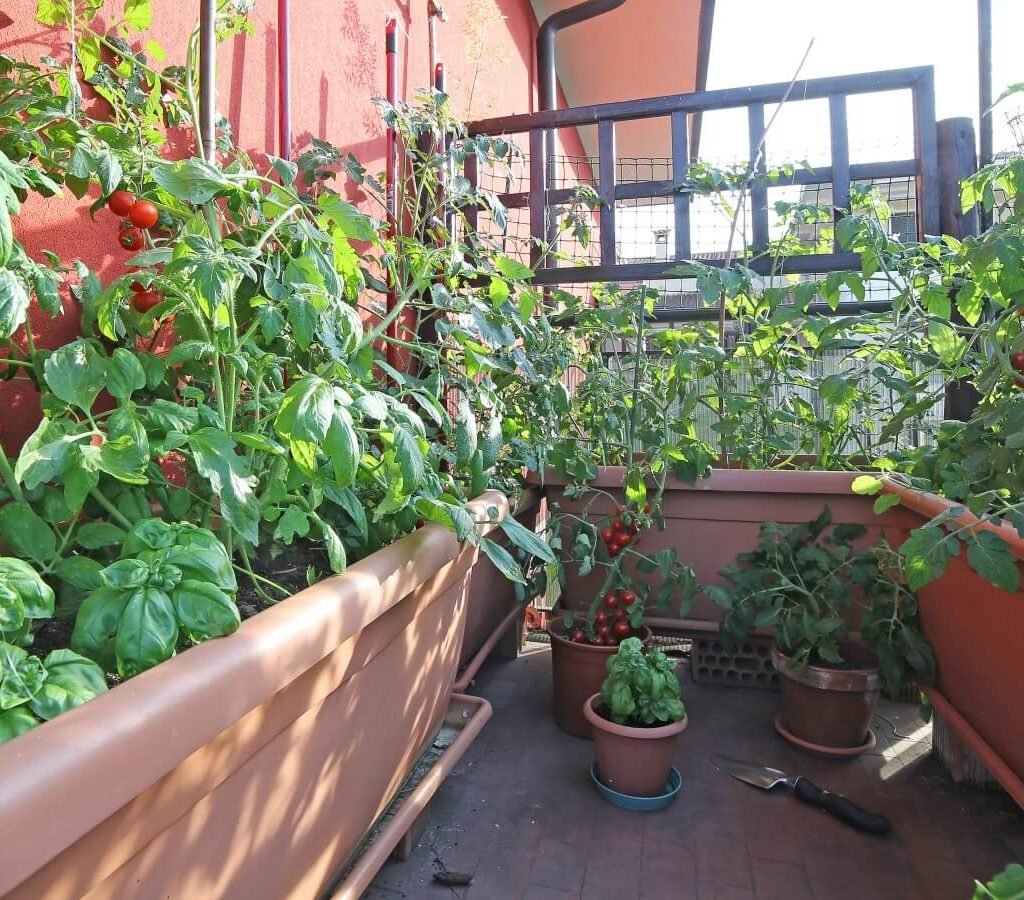
Proper placement can make a huge difference in low-light gardening.
1. Use the Brightest Spots for Edibles
Greens and herbs should get priority in areas receiving:
- morning sunlight
- filtered afternoon light
- any direct sun patch
Even an hour of sun can benefit them.
2. Use Shade Corners for Ornamental Plants
Place low-light tolerant species like pothos and ferns in darker corners.
3. Rotate Plants
Rotating pots weekly ensures every plant receives equal light.
Rotating is especially important for:
- herbs
- flowering plants
- leafy greens
4. Don’t Overcrowd
Too many plants block airflow and light — especially dangerous in low-light spaces where fungus spreads faster.
Use Grow Lights for Extra Support

If your balcony is extremely shaded, consider using small, low-energy grow lights. This is especially useful for:
- growing vegetables
- starting seeds
- keeping plants healthy during winter
Grow Light Tips
- Choose LED grow lights with a full spectrum.
- Keep lights on for 6–8 hours per day.
- Mount them on walls or shelves to save space.
You don’t need massive equipment — compact clip-on grow lights work wonders on small balconies.

Choose the Right Containers and Soil
Healthy root systems are the secret to strong plants, especially in low-light conditions.
Use Lightweight but Breathable Pots
- Fabric grow bags
- Terracotta pots
- Plastic containers with drainage
Avoid overly large containers; moist soil + low light = root rot.
Soil Tips
- Use airy, well-draining potting mix.
- Add cocopeat for moisture retention.
- Mix in compost for natural nutrients.
Good soil prevents mold, which is common in shady balconies.
Water Carefully — Low Light Means Slow Drying
A shaded balcony garden must be watered strategically.
Why?
In low light:
- soil dries slower
- plants use less water
- roots risk rotting more easily
Watering Tips
- Water only when the top inch of soil feels dry.
- Use pots with drainage holes.
- Avoid misting unless you have humidity-loving plants like ferns.
- Morning is the best time to water — leaves dry quickly.
Boost Growth with the Right Fertilizers
Plants in low-light balconies grow slower, so they need nutrient support.
Best Fertilizers for Low-Light Plants
- Compost
- Vermicompost
- Seaweed extract
- Diluted liquid manure
Feeding Schedule
- Fertilize once every 15–20 days during the growing season.
- Avoid over-fertilizing — shaded plants grow slowly and can burn easily.
Grow Multi-Purpose Plants to Maximize Space
On a shaded balcony, every pot should give you value. Choose plants that offer:
- beauty
- air purification
- edibility
- easy maintenance
Examples:
- Mint: culinary + fragrant
- Pothos: decorative + air purifying
- Spinach: edible + compact
- Snake plant: hardy + improves indoor air
Choosing dual-benefit plants ensures your limited sunlight balcony remains both productive and beautiful.
Create a Functional, Aesthetic Balcony Design
Even with limited light, you can make your balcony visually stunning.
Design Ideas for Shaded Balconies
- Use hanging planters for trailing plants.
- Add fairy lights or lanterns for an evening glow.
- Place a small bistro table for morning coffee.
- Incorporate wood textures for a cozy feel.
- Use lush foliage plants to create a peaceful jungle vibe.
Greenery naturally softens shaded spaces, making them more relaxing.
Final Thoughts
A balcony with limited sunlight doesn’t mean you can’t enjoy a flourishing garden. With the right plant choices, smart placement, creative use of reflectors, and careful watering, you can build a lush, productive space that thrives even in shaded conditions.
Whether your balcony gets only an hour of morning sun or stays bright without direct rays, it can become a peaceful green retreat with the techniques covered in this guide.
If you’d like, I can also help you create:

Leave A Comment