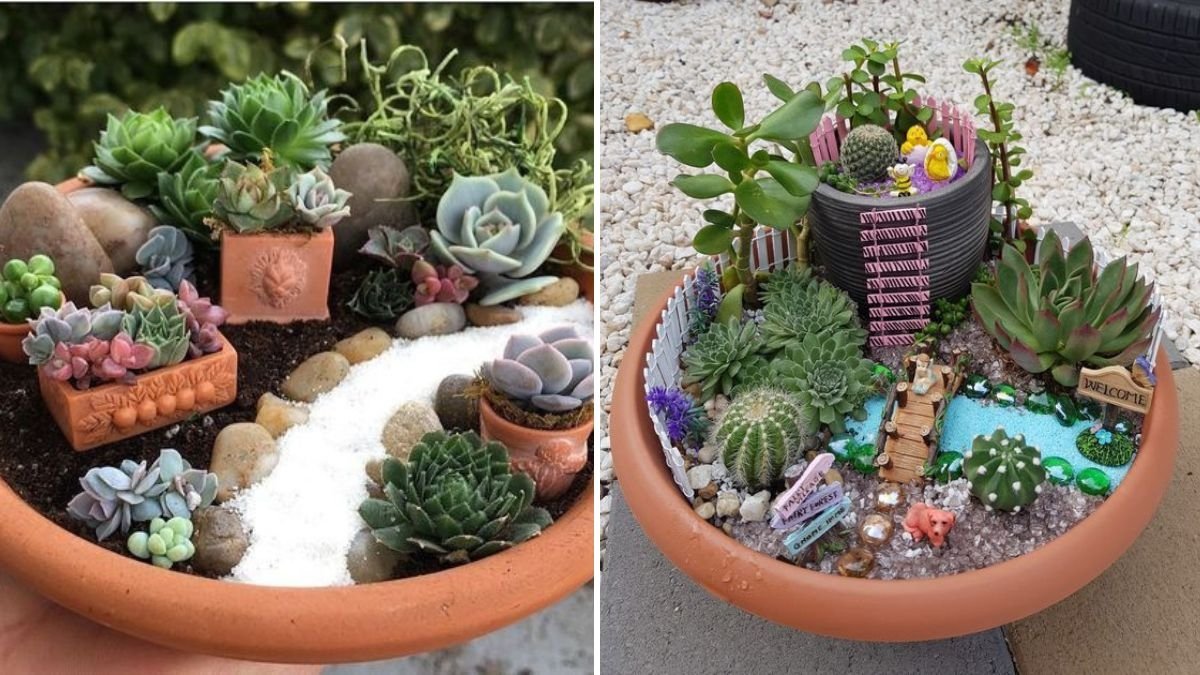
There’s something enchanting about a miniature garden—tiny houses, little pathways, pebbled rivers, and small plants all arranged to resemble a whimsical fairy world. Fairy gardens invite imagination, spark creativity, and bring a sense of magic to any space. And when combined with succulents, these tiny landscapes become not just beautiful but also incredibly low-maintenance.
Succulents are hardy, drought-tolerant, and come in a spectacular variety of shapes and colors. They thrive in small containers, making them perfect for fairy gardens crafted in pots, trays, terrariums, or even broken planters. Whether you’re a beginner gardener, a parent creating a creative project with kids, or simply someone who loves fantasy-inspired décor, this guide will show you how to create a fairy garden using succulents from start to finish.
Let’s dive into building your very own enchanting miniature world!
Why Succulents Are Perfect for Fairy Gardens
Before we begin the step-by-step process, it helps to understand why succulents are ideal for fairy gardens:
1. They Stay Small
Succulents have compact growth and slow expansion, making them perfect for tiny landscapes.
2. Low Maintenance
They require minimal watering and thrive in light soil—great for busy gardeners.
3. Wide Variety of Colors and Shapes
From rosette-shaped Echeveria to trailing Sedum, succulents help create diverse garden scenery.
4. Easily Adaptable to Containers
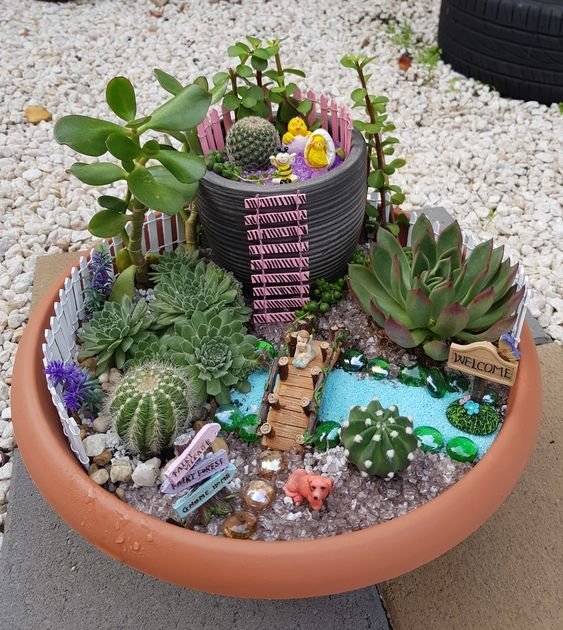
Fairy gardens can be built in virtually anything—baskets, pots, wooden crates, bowls, or broken ceramics.
5. Long-Lasting
Succulents stay vibrant year-round, ensuring your fairy garden looks beautiful for months with minimal care.

Materials You’ll Need
Before you start crafting your fairy garden, gather these essentials:
Succulents
Choose a mix of shapes and sizes:
- Echeveria
- Haworthia
- Sedum
- Crassula (like Jade or Hobbit Jade)
- Graptopetalum
- String-of-Pearls or String-of-Bananas (for trailing)
Container
Use one of the following:
- Clay or ceramic pot
- Shallow tray
- Wooden box
- Broken pot (for multi-level fairy gardens)
- Old teapots, tins, or bowls
Soil & Base Materials
- Well-draining succulent or cactus soil
- Pebbles or gravel
- Sand (optional)
- Activated charcoal (if using closed containers)
Decorative Fairy Garden Accessories
- Mini fairy figurines
- Tiny houses or cottages
- Pebble pathways
- Mushroom ornaments
- Mini benches, fences, or bridges
- Small LED lights
- Shells, glass beads, or marbles
You can buy these or create your own using clay, twigs, stones, or craft materials.
Step-by-Step Guide: How to Create a Fairy Garden Using Succulents
Let’s begin building your magical miniature landscape!
Step 1: Choose the Perfect Container
Your container sets the tone for your fairy garden. Pick one that:
- Is shallow (succulents don’t need deep soil)
- Has drainage holes
- Matches your theme (rustic, vintage, fairytale, or modern)
Creative container ideas:
- A broken terracotta pot arranged in layers
- A wooden crate lined with plastic
- An old birdbath
- A tree stump hollowed out
- A metal tray with decorative edges
Your container doesn’t have to be brand new—recycling old household items adds charm.
Step 2: Prepare the Drainage Base
Good drainage is essential to prevent root rot.

How to Prepare It
- Add a layer of pebbles or gravel at the bottom.
- For closed containers, add a thin layer of activated charcoal to prevent odor and bacteria buildup.
- Fill the rest of the container with succulent soil mix.
Your soil should be loose, airy, and fast-draining. You can make your own by mixing:
- 1 part garden soil
- 1 part sand
- 1 part perlite or pumice
Step 3: Design Your Layout Before Planting
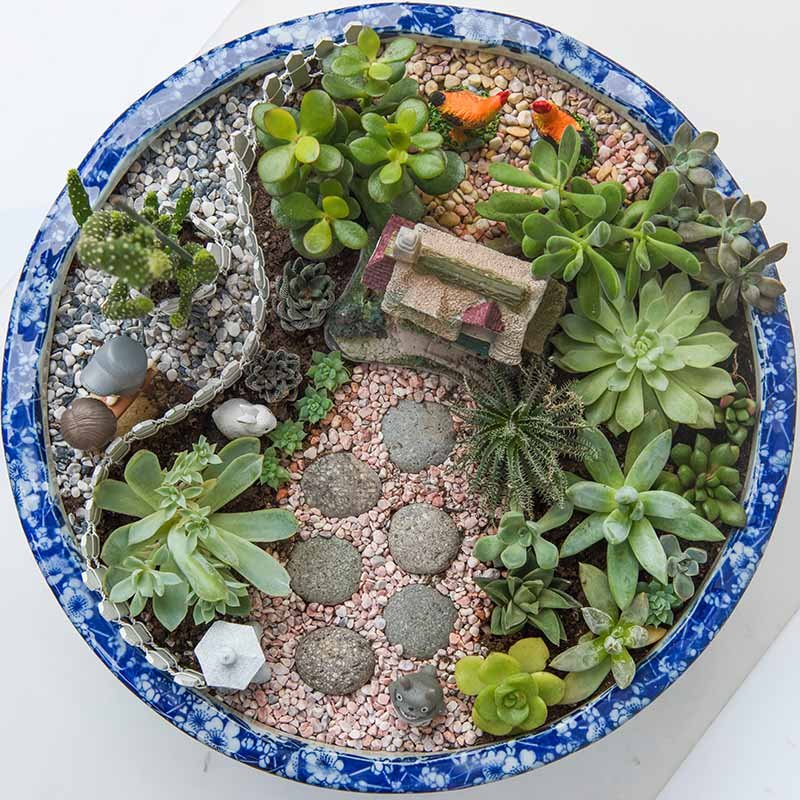
Fairy gardens look best when thoughtfully designed.
Consider These Elements:
- Where will your “fairy home” be placed?
- Do you want a pathway leading to the house?
- Will you include a water feature using blue glass beads?
- Which plants will be large focal points?
- Which succulents will trail or fill gaps?
Sketch a quick layout on paper or arrange the accessories loosely in the container before planting.
Step 4: Plant Your Succulents
Now it’s time to add life to your fairy garden.
Steps for Planting
- Start with larger succulents in the back or corners.
- Add medium succulents in the center for balance.
- Use small rosette succulents or trailing varieties along the edges.
- Leave space for pathways and decorative items.
Tips for Aesthetic Appeal
- Combine different colors—blue Echeveria, green Sedum, purple Graptoveria.
- Contrast shapes—round rosettes next to spiky Haworthia.
- Add height variation using small rocks or raised soil mounds.
After planting, gently pat the soil to secure the roots.
Step 5: Add the Fairy Garden Accessories
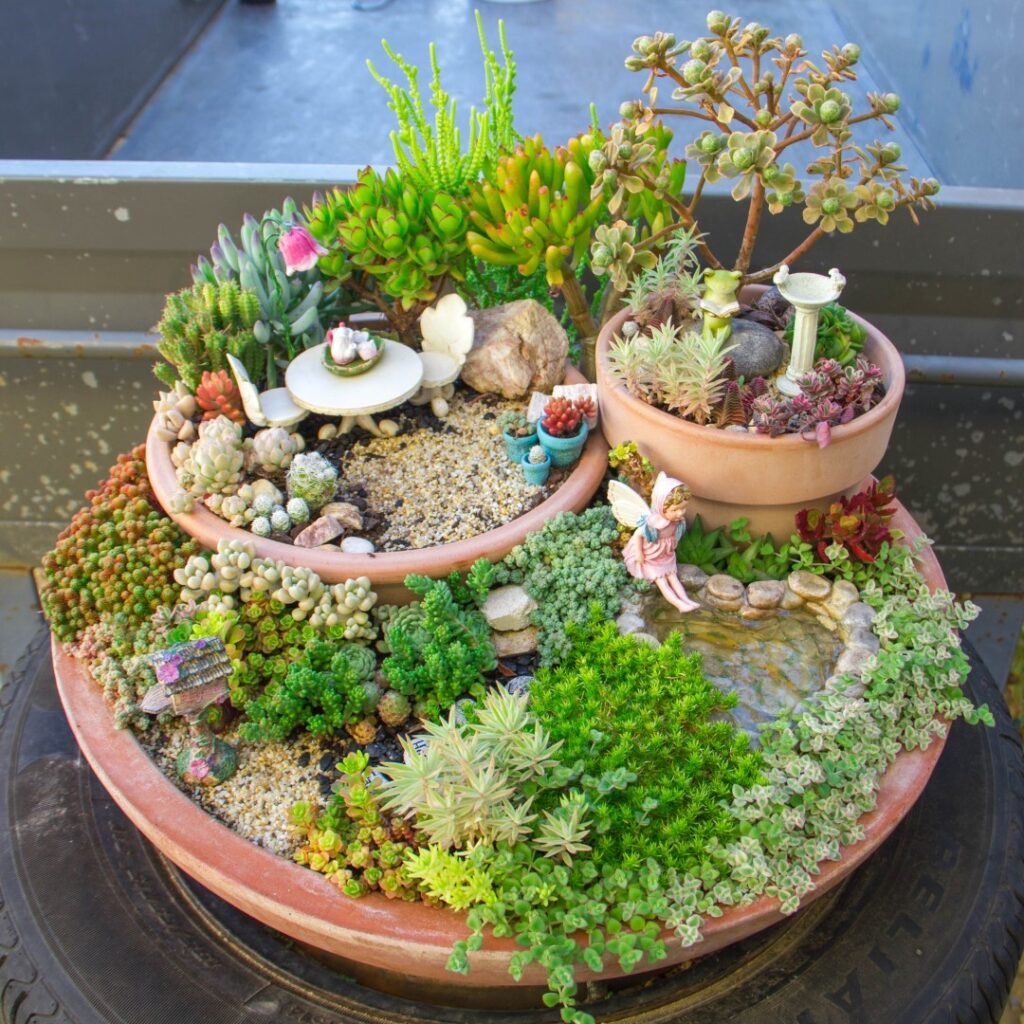
Now comes the magical part—decorating!
Ideas for Fairy Accessories
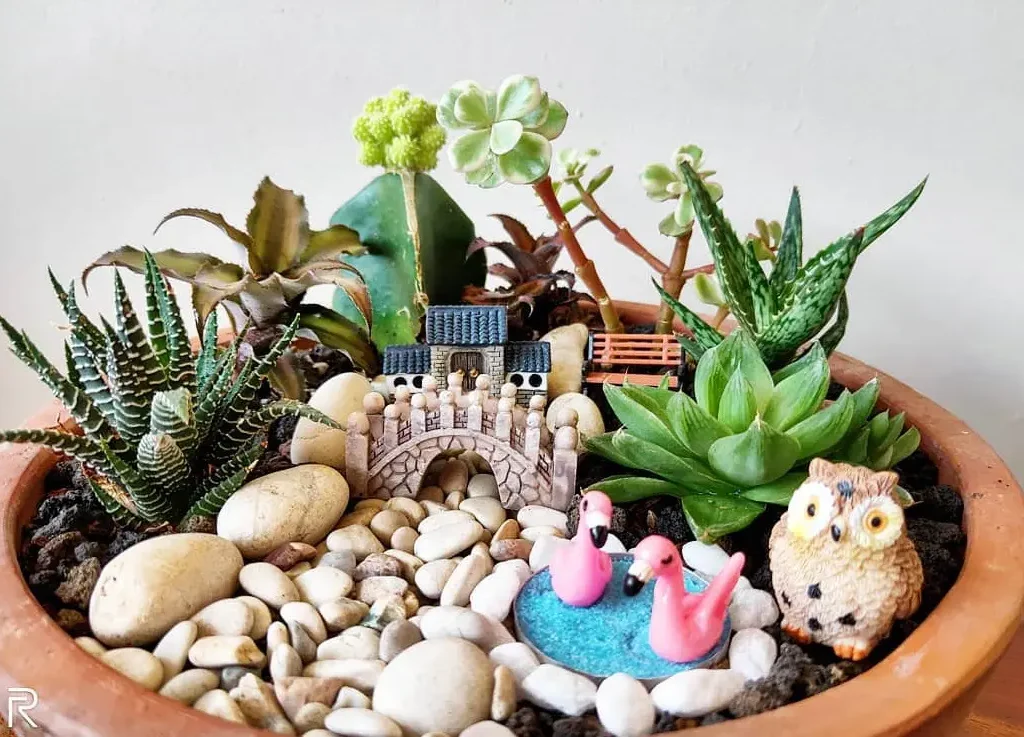
- Fairy Houses: Clay, wooden cottages, or hand-painted miniature homes.
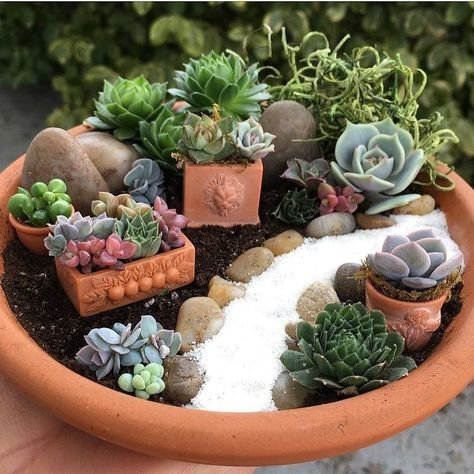
- Pathways: Use tiny pebbles, sand, or wood chips to create winding garden trails.
- Fences & Benches: Wooden edges or popsicle stick fences add rustic charm.
- Mini Water Features: Use blue glass stones to create rivers, ponds, or streams.
- Miniatures: Fairies, gnomes, mushrooms, birdbaths, or lanterns.
Place accessories thoughtfully so they don’t crowd your succulents. Aim for harmony between plants and fantasy elements.
Step 6: Add Finishing Touches
For the final flourish:
- Add a top layer of decorative gravel to keep the soil intact.
- Use moss patches (real or faux) for a lush forest feel.
- Add tiny shells or marbles to decorate empty corners.
- Insert mini LED lights to make your fairy garden glow at night.
- Use twigs to create arches or miniature trees.
This step transforms your project from a simple succulent pot into a magical fairy world.

Caring for Your Fairy Garden
A succulent fairy garden is easy to care for if you follow simple routines.
1. Water Sparingly
Succulents need:
- Light watering every 10–14 days
- Soil completely dry between waterings
Avoid overwatering—it’s the main cause of succulent death.
2. Provide Good Sunlight
Place your fairy garden where it receives:
- 4–6 hours of bright INDIRECT light
or - 2–4 hours of gentle morning sunlight
Too much sun can scorch leaves; too little can cause stretching.
3. Keep Accessories Clean
Dust your mini houses and figurines occasionally.
Use a soft brush to clean tight corners.
4. Rotate the Container
Turn your garden every couple of weeks so succulents grow evenly toward the light.
5. Trim Overgrown Plants
Succulents may slowly outgrow their spaces. Prune or replant offsets to maintain shape.
6. Avoid Crowding
Leave breathing space between plants to prevent rotting or fungal growth.

Creative Themes for Your Fairy Garden
If you want your fairy garden to be unique, try these exciting themes:
1. Woodland Fairy Forest
- Mushrooms
- Moss carpets
- Rustic twigs
- Earthy pottery
2. Beach Mermaid Garden
- Sand
- Seashells
- Mini boats
- Blue glass “water”
3. Desert Oasis Garden
- Sand dunes
- Cacti and dry succulents
- Mini camels or oasis huts
4. Enchanted Castle Garden
- Mini stone castle
- Pebble pathways
- Hanging lanterns
5. Broken Pot Cascading Garden
Create stair-like levels using broken pot pieces.
Where to Place Your Fairy Garden
You can display your fairy garden:
- On your balcony
- In your living room
- On a sunny windowsill
- In a courtyard
- As a centerpiece on a patio table
Ensure it receives proper light for succulents.
Benefits of Creating a Succulent Fairy Garden
1. Relieves Stress
Crafting mini gardens promotes relaxation and mindfulness.
2. Great for Kids
Helps spark creativity and teaches about plants.
3. Adds Charm to Small Spaces
Perfect for apartments, balconies, or offices.
4. Low Maintenance
Succulents require minimal care—ideal for beginners.
5. Makes a Wonderful Gift
A handmade fairy garden is unforgettable and personal.

Conclusion: Bring Magic Into Your Home with Succulent Fairy Gardens
Creating a fairy garden using succulents is an enjoyable, artistic, and rewarding project that blends gardening with storytelling. With just a handful of plants, some imaginative accessories, and a bit of creativity, you can craft a magical little world that captivates both children and adults.
Succulents make this miniature landscape easy to maintain, long-lasting, and perfect for small spaces. Whether you create a woodland-themed fairy nook, a mermaid paradise, or a classic enchanted cottage garden, your fairy garden will bring joy, color, and imagination into your home.

Leave A Comment