
Gardening isn’t just about growing plants—it’s about growing memories, skills, and curiosity. For families looking to spend quality time together, garden-based activities offer the perfect blend of fun, learning, creativity, and outdoor adventure. Kids love to get their hands dirty, observe nature up close, and watch something they planted come to life. Parents, meanwhile, get the satisfaction of meaningful bonding time and the joy of teaching little ones about the natural world.
Whether you have a backyard, balcony, terrace, or even a sunny window, gardening projects can be adapted to any space. Here are five fun gardening projects for kids and families that spark imagination, nurture responsibility, and introduce children to the wonder of nature.
1. Create a Colorful Butterfly Garden
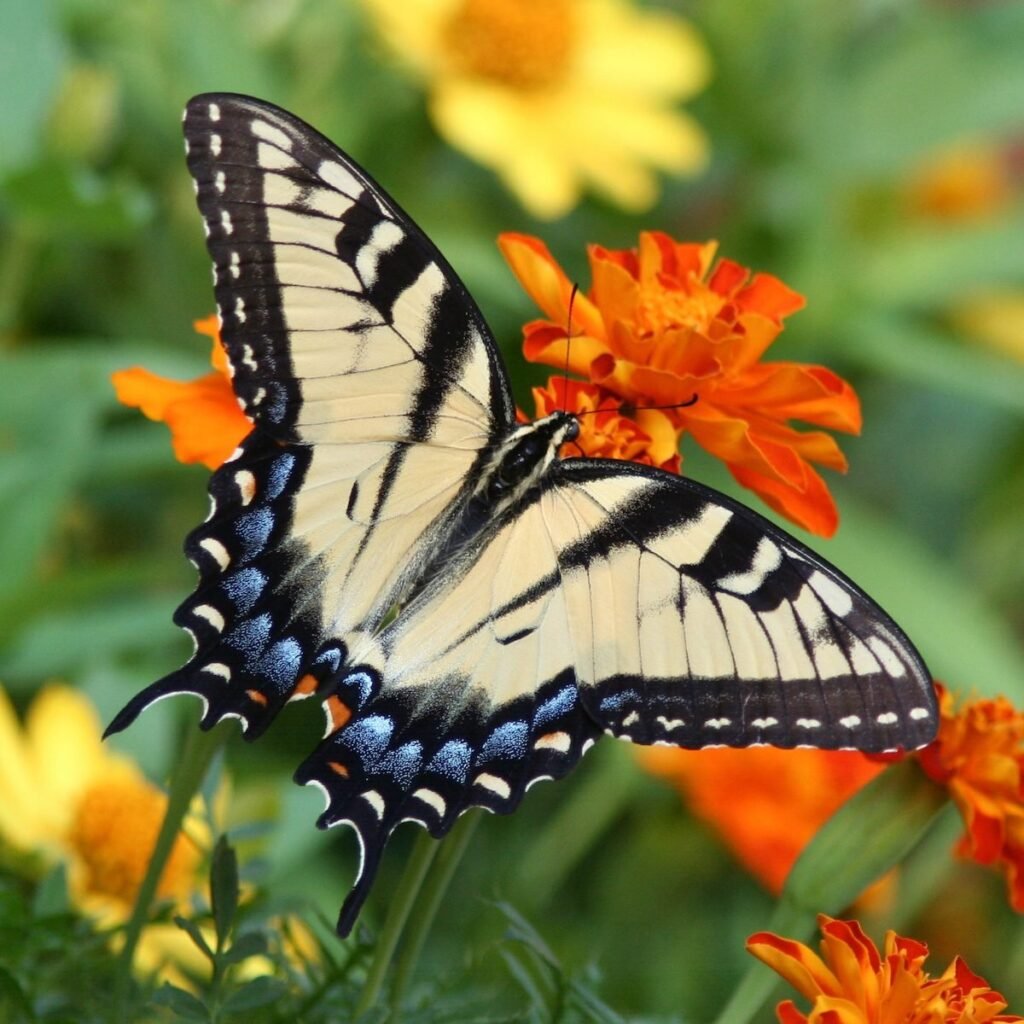
A butterfly garden is a magical way to introduce kids to pollinators and the role they play in our ecosystem. Watching butterflies dance around flowers will delight children, and the process of creating the garden becomes an engaging learning experience.

Why It’s Great for Kids
- Bright colors attract attention and fuel creativity
- Kids learn about pollination and life cycles
- Encourages observation skills and patience
How to Start
- Choose a sunny spot — Butterflies love warm, sunny areas.
- Pick nectar-rich plants — Marigolds, zinnias, cosmos, lantana, milkweed, sunflowers, or butterfly bush.
- Add a water source — A shallow dish with stones for butterflies to land on.
- Create resting spots — Small flat rocks where butterflies can bask.
Let children design the layout using colored pencils. They can decide where each plant goes, how to decorate the space, or whether to add small garden ornaments.
Educational Element
Kids can keep a butterfly journal where they sketch or note the butterflies they see. This teaches them observation, patience, and responsibility.
2. Build a Mini Herb Garden in Recycled Containers
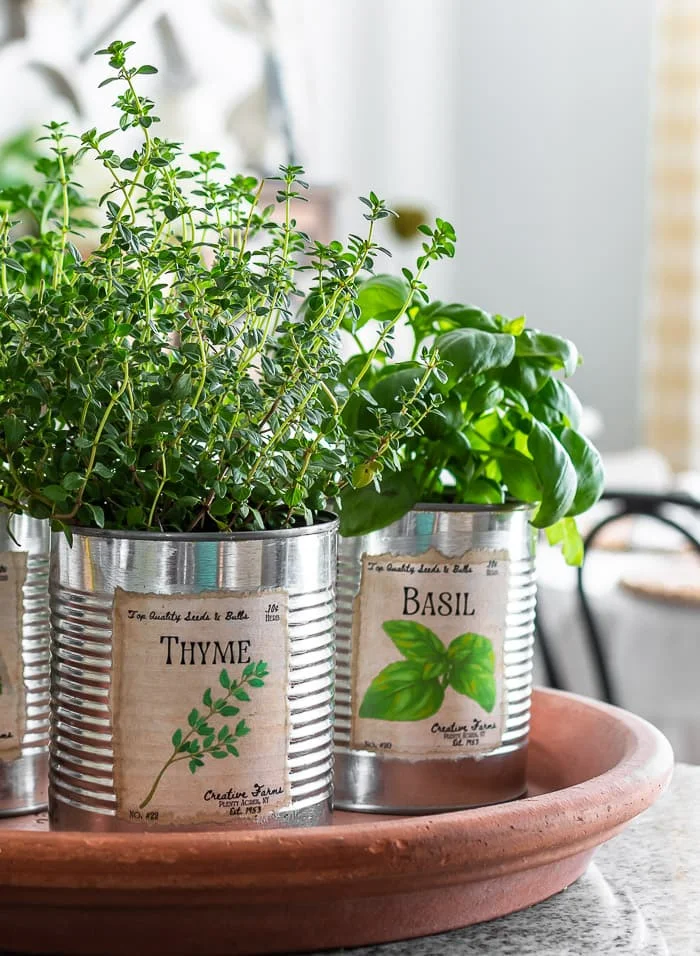
This is a fantastic way to teach children about sustainability, recycling, and the joy of growing edible plants. Herbs grow quickly, smell great, and are easy for kids to care for. Plus, you can use the harvest in your meals, giving kids the pride of contributing to the family kitchen.

Materials Needed
- Old cans, jars, buckets, or plastic bottles
- Potting soil
- Herb seeds or starter plants (basil, mint, coriander, oregano, dill, chives)
- Paints, stickers, or markers
Steps
- Clean and decorate the containers — This is where kids can express creativity.
- Poke drainage holes — A great moment to teach why plants need proper drainage.
- Fill with soil and sow the seeds according to packet directions.
- Label each pot with the herb name.
- Place on a sunny windowsill or balcony.
Kids will love checking daily to see which seeds have sprouted. Since herbs grow earlier and faster than many other plants, they provide quick wins that keep children motivated.
Learning Benefits
- Encourages sustainable habits
- Teaches plant care and watering routines
- Introduces basic culinary skills
- Boosts creativity through decoration
3. Grow a Pizza Garden
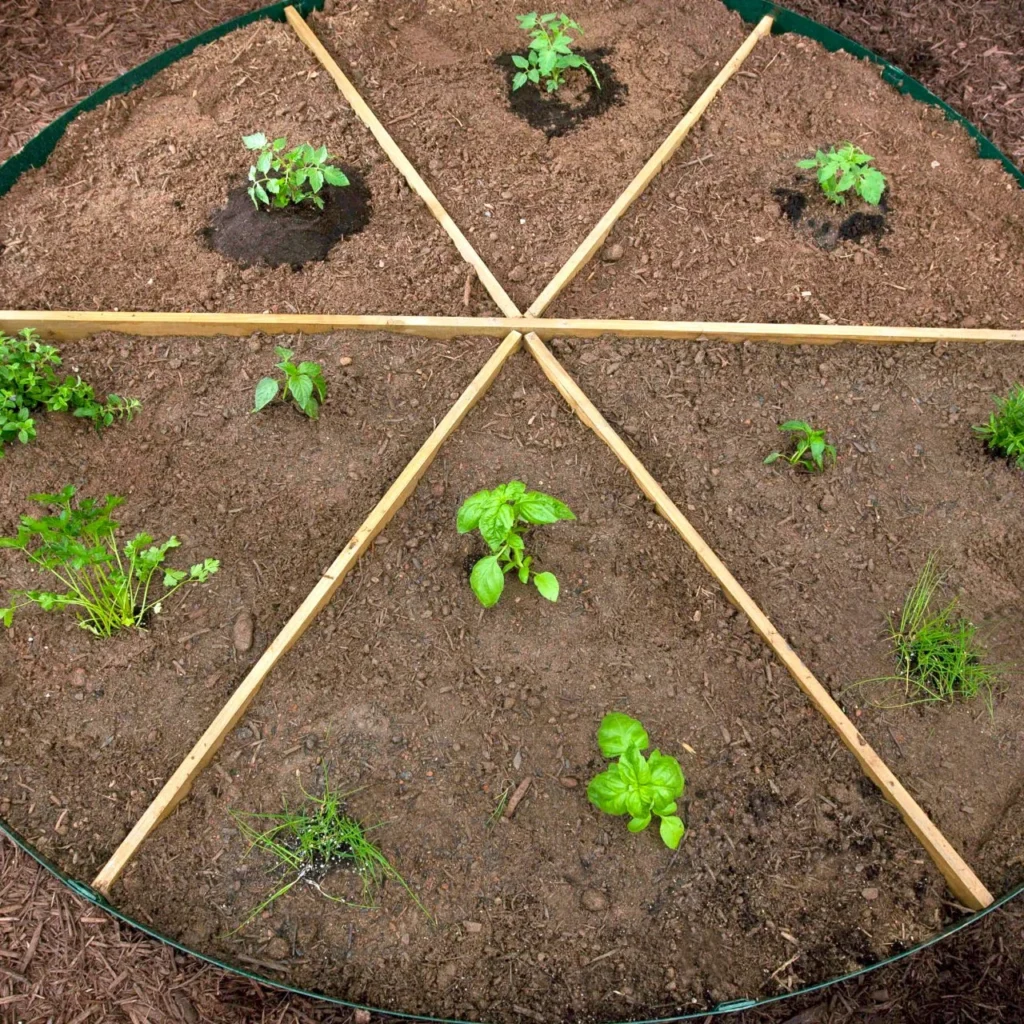
A pizza garden is one of the most fun ways to get children excited about growing vegetables. The idea is to grow everything you need to make a homemade pizza—right from your garden! This gives kids a sense of accomplishment as well as a hands-on lesson in where food comes from.
Plants to Include
- Tomatoes (for sauce)
- Basil (for seasoning)
- Oregano
- Bell peppers
- Spinach
- Onions
How to Create a Pizza-Shaped Bed
If you have ground space, create a round garden bed and divide it into 6 or 8 “slices,” with each section growing a specific ingredient. If not, use pots arranged in a circle.

Kid-Friendly Activities
- Making plant markers shaped like pizza slices
- Painting pots in pizza colors
- Tracking plant growth with height charts
- Harvesting and helping cook the final pizza
Why It Works
Kids connect instantly with food they recognize. Growing ingredients they’ll use in a fun recipe reinforces the learning experience and shows them the value of gardening.
4. Build a DIY Fairy or Dinosaur Garden
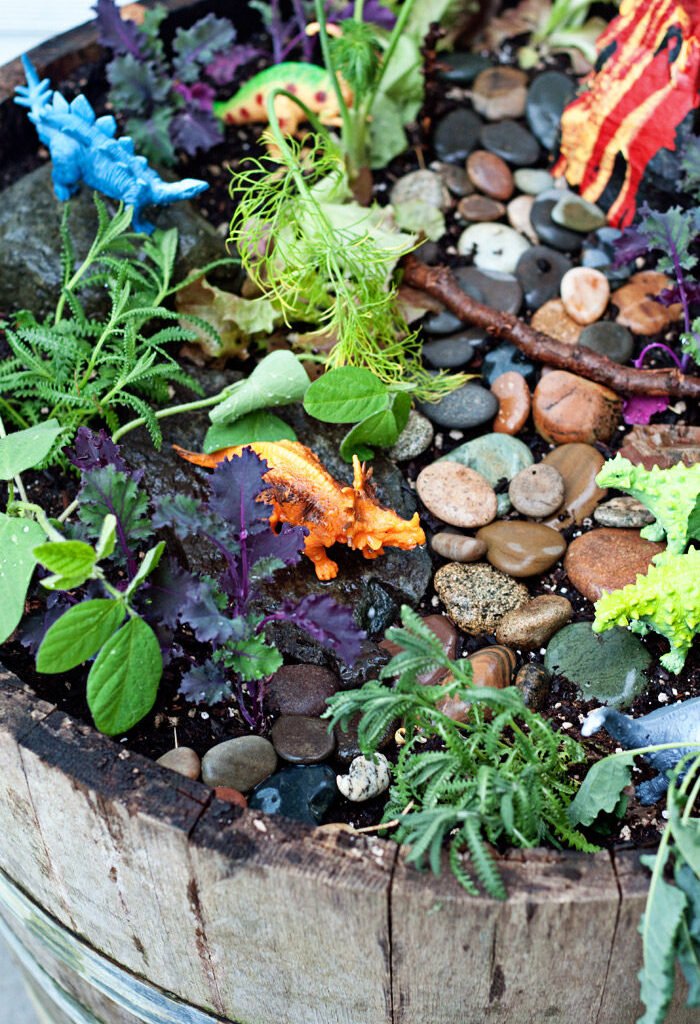
This project is perfect for sparking creativity and imaginative play. Depending on your child’s interests, you can create a whimsical fairy garden or a prehistoric dinosaur-themed garden. These miniature landscapes can be built in planters, buckets, or even old baking trays.
Materials
- A shallow container
- Potting soil
- Small plants like succulents, mosses, or low-growing herbs
- Decorative stones, twigs, bark
- Fairy figurines or toy dinosaurs (optional)
How to Make It
- Let kids choose the theme—fairy, forest, dinosaur, ocean, or space.
- Add soil and place mini plants strategically. Teach them about spacing and plant care.
- Create paths using pebbles or tiny “rivers” using blue glass stones.
- Add toys or figurines to complete the fantasy world.
Learning Benefits
- Encourages creativity and storytelling
- Teaches layout planning and basic design principles
- Helps fine motor skills through arranging small elements
- Provides ongoing playtime even after setup
Parents often find this project just as enjoyable as kids—it becomes a joint art-and-garden activity.

5. Start a Seed-Starting Science Station
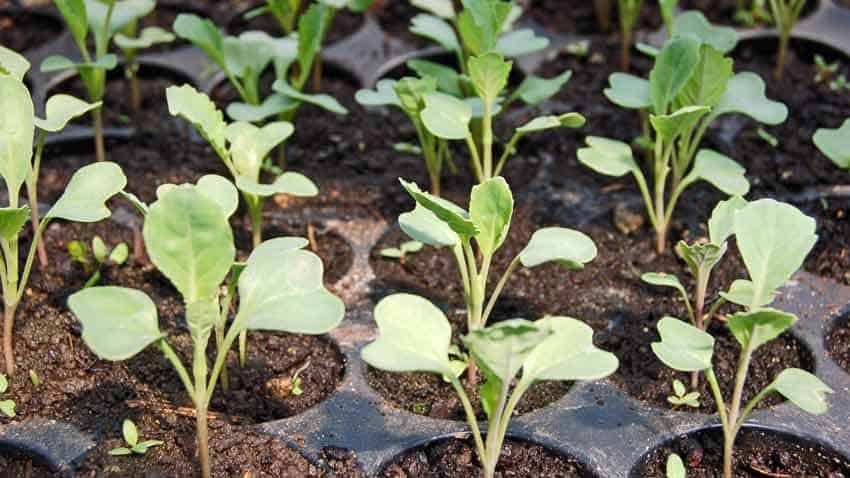
Kids naturally love experiments, so turning gardening into a hands-on science project is a great way to engage their curiosity. You can create a simple science station using seeds, clear containers, and labels.
What You Need
- Clear plastic cups or jars
- Seeds (beans, peas, sunflowers, or radish seeds are best for beginners)
- Cotton balls, paper towels, or potting soil
- Spray bottle
- Growth chart or notebook
How to Create the Science Project
- Line jars with wet cotton or soil.
- Place seeds where kids can watch them sprout against the clear wall.
- Label each container with date and seed variety.
- Ask kids to make predictions:
- Which seed will sprout first?
- How tall will it grow?
- Measure the growth daily and note changes.
This transforms gardening into an exciting biology lesson, teaching kids about:
- Germination
- Root development
- Photosynthesis
- Plant anatomy
- Observation and recording
Make It More Fun
- Create time-lapse photos
- Turn observations into a scrapbook
- Award “scientist of the week” badges for responsibility
This project not only teaches science but also helps children develop discipline through daily care.

Final Thoughts: Growing Together as a Family
Gardening provides moments of joy, wonder, and learning—all while helping families slow down and reconnect. Whether it’s watching butterflies visit flowers, harvesting basil for dinner, or building a mini fantasy land, each project invites kids to explore nature hands-on.
These 5 fun gardening projects for kids and families are adaptable, inexpensive, and enriching. They build skills in creativity, responsibility, problem-solving, and teamwork. Most importantly, they create memories your family will cherish for years.

Leave A Comment