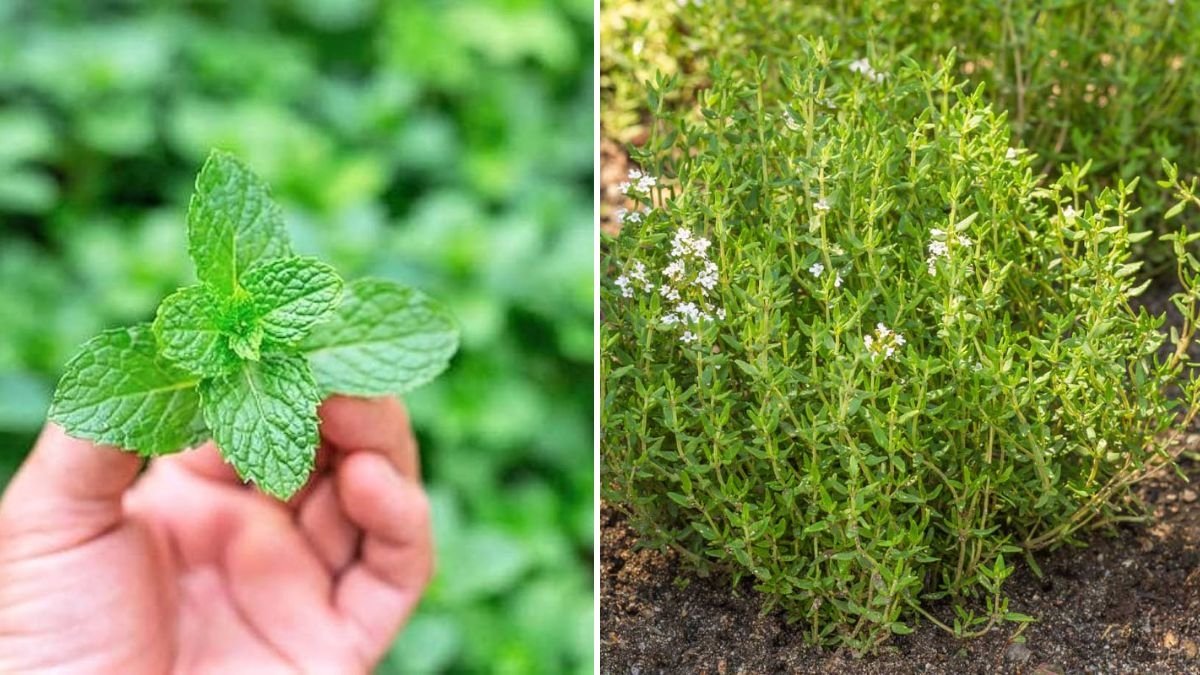
When you think about purifying the air in your home, your mind might jump to electric purifiers, activated charcoal, or indoor plants like snake plant and peace lily. But what if the freshest air-purifying solutions are already in your kitchen? In fact, several herbs naturally clean the air around you while also adding fragrance, flavor, and beauty to your cooking space.
Herbs are easy to grow indoors or on a balcony, require very little space, and many contain powerful natural compounds that eliminate toxins, neutralize odors, and release oxygen. These herbs do double-duty—they enhance your meals and purify indoor air at the same time.
In this comprehensive guide, you’ll discover six powerful air-purifying herbs, learn how to grow them, and understand why they’re perfect for your kitchen garden.
Why Grow Air-Purifying Herbs in the Kitchen?
Before we dive into the list, here’s why herbs make great indoor air cleansers:
- They absorb airborne toxins: Many culinary herbs absorb pollutants like benzene, ammonia, and formaldehyde.
- They release fresh oxygen: Improving air circulation and freshness while you cook.
- They neutralize strong odors: Especially beneficial when frying, sautéing, or handling pungent ingredients.
- They add fragrance naturally: No need for artificial air fresheners.
- They grow well indoors: Even in small pots on a windowsill or countertop.
- They’re useful every day: Harvest while you cook—freshness guaranteed!
Now let’s explore the top herbs that help purify air in your kitchen.

1. Basil (Tulsi – Sweet, Thai, or Holy Basil)
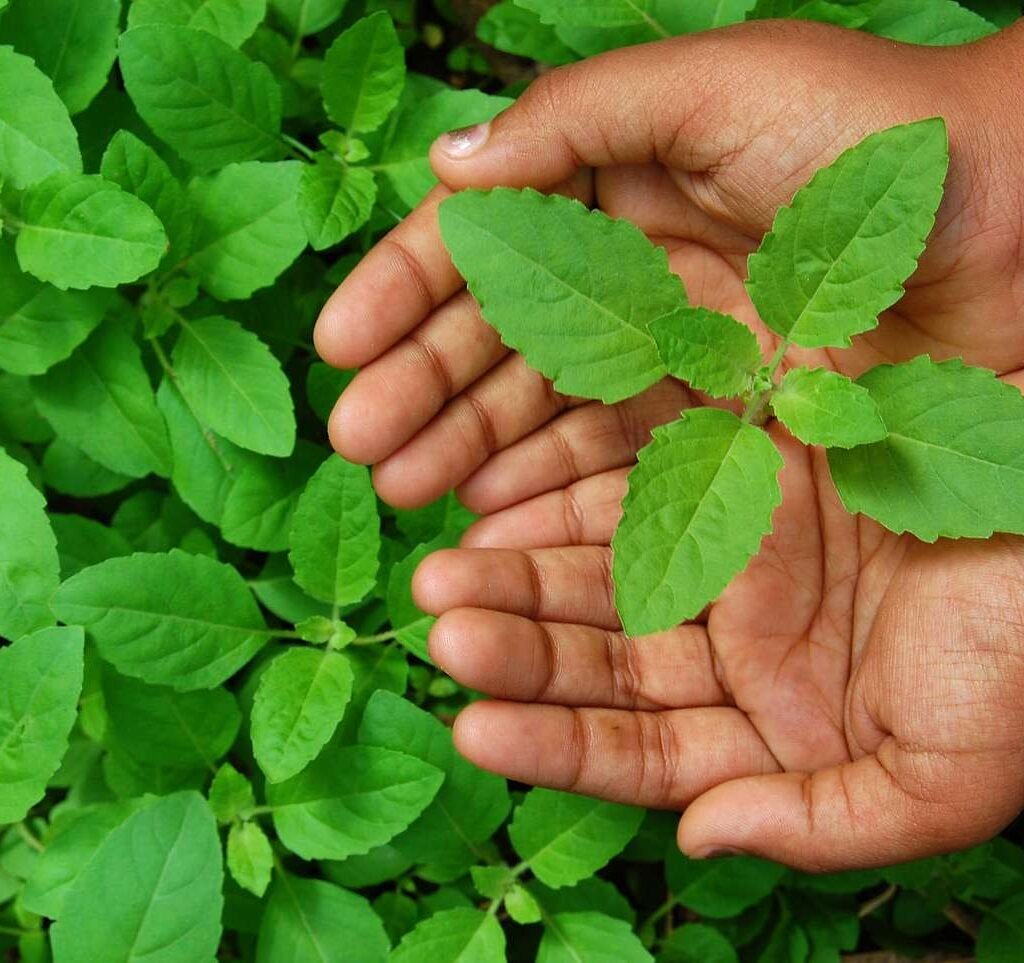
Basil is one of the most fragrant herbs you can grow. Its essential oils—like linalool, eugenol, and citronellol—are known for their antibacterial and air-purifying properties. Basil improves indoor air quality by absorbing pollutants and releasing phytoncides, natural compounds that help sanitize the air.
Why Basil Purifies Air
- Its aroma neutralizes kitchen odors instantly.
- Helps reduce airborne microbes.
- Acts as a natural insect repellent.
How to Grow Basil Indoors
- Light: At least 4–6 hours of sunlight or a grow light.
- Soil: Well-draining potting mix.
- Water: Keep the soil moist but never waterlogged.
- Tip: Regular pruning makes the plant bushier and healthier.
Best Uses in Cooking
- Soups, salads, pasta, chutneys, curries, and herbal teas.
2. Mint (Pudina)
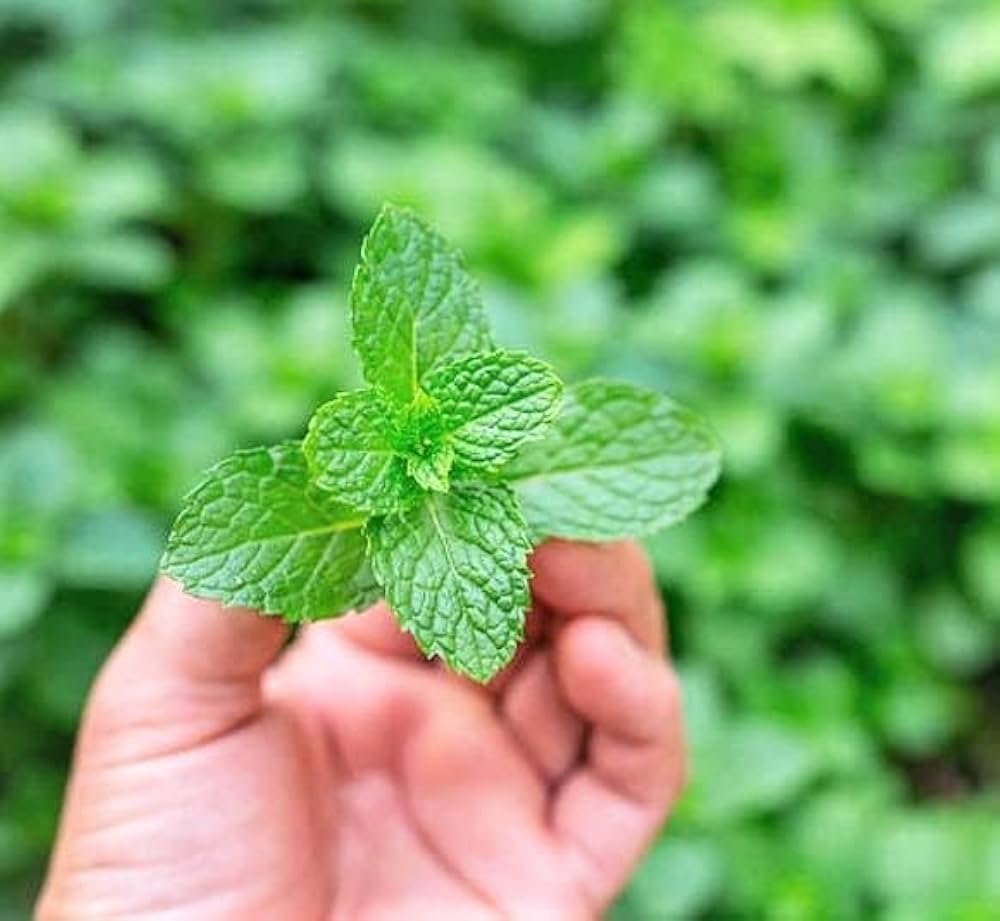
Mint is a refreshing, easy-growing herb with crisp fragrance and powerful purification effects. It contains menthol, which helps deodorize the air, especially after strong-smelling cooking sessions (like frying fish or onions).
Why Mint Purifies Air
- Absorbs airborne pollutants and neutralizes odors.
- Natural cooling aroma makes your kitchen feel fresh.
- Repels mosquitoes, ants, and flies.
How to Grow Mint Indoors
- Light: Prefers partial sunlight.
- Water: Needs consistent moisture—don’t let the soil dry completely.
- Container: Choose a wide pot, as mint spreads quickly.
Best Uses in Cooking
- Mint chutney, raita, smoothies, teas, salads, and garnishes.
3. Rosemary
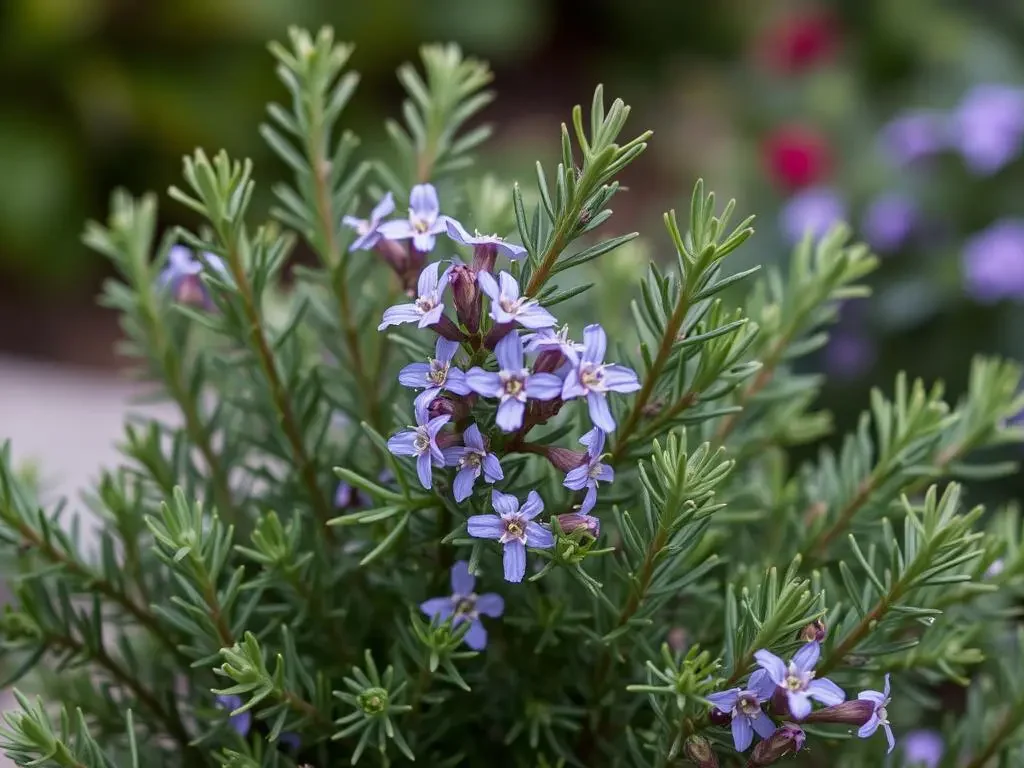
Rosemary has a pine-like aroma and naturally increases oxygen levels in indoor spaces. It is known for its antibacterial and antifungal properties, making it an excellent air purifier for kitchens.
Why Rosemary Purifies Air
- Its aromatic oils help disinfect the air.
- Helps eliminate cooking odors.
- Naturally improves concentration and reduces stress.
How to Grow Rosemary Indoors
- Light: 6–8 hours of direct sunlight.
- Soil: Sandy, well-draining soil.
- Water: Water only when soil dries out—avoid overwatering.
- Temperature: Prefers a warm, bright location.
Best Uses in Cooking
- Perfect for roasted vegetables, chicken, potatoes, soups, and infused oils.
4. Thyme
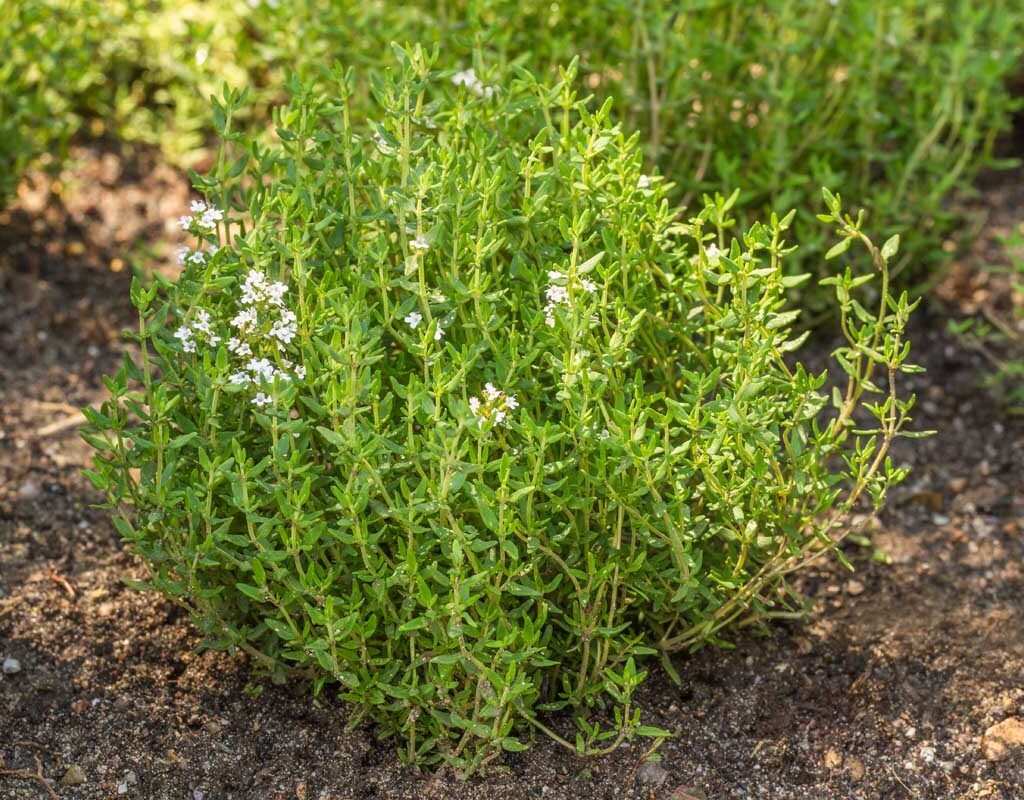
Thyme is rich in thymol, an antimicrobial agent widely used in natural cleaners. It’s a powerful herb for eliminating bacteria and freshening the air while you cook.
Why Thyme Purifies Air
- Strong antibacterial, antifungal properties.
- Eliminates lingering food smells.
- Improves indoor air circulation through its compact but aromatic growth.
How to Grow Thyme Indoors
- Light: 5–6 hours of sunlight.
- Soil: Slightly dry, sandy soil.
- Water: Needs minimal watering—let soil dry between waterings.
- Tip: Trim regularly to encourage new growth.
Best Uses in Cooking
- Adds flavor to sauces, soups, stews, breads, and roasted dishes.
5. Oregano
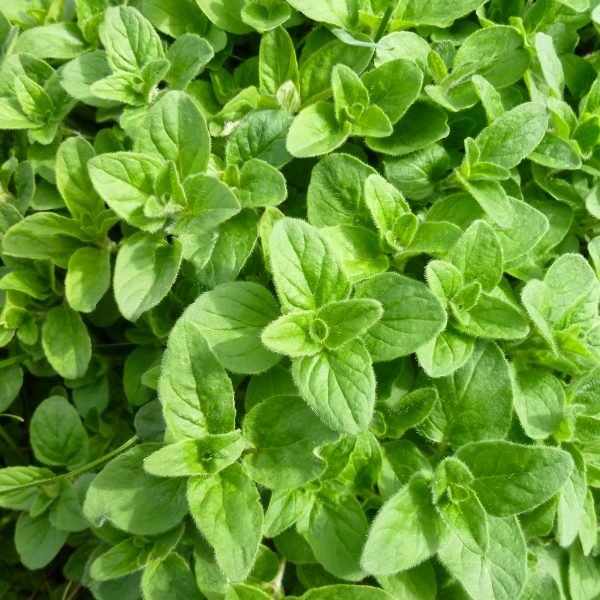
Oregano is a powerful herb not just for pizzas and pastas—it also works wonders for air purification. It contains carvacrol and thymol, two potent compounds known to remove airborne bacteria and toxins.

Why Oregano Purifies Air
- Cleanses the air of harmful microbes.
- Deters insects naturally.
- Releases a warm, spicy aroma that freshens the entire kitchen.
How to Grow Oregano Indoors
- Light: Needs bright sunlight or a grow light.
- Soil: Well-draining potting mix.
- Water: Moderate watering—avoid soggy soil.
- Container: Choose a medium-sized pot to allow spreading.
Best Uses in Cooking
- Pizza, pasta, salad dressings, marinades, and soups.
6. Coriander (Cilantro)
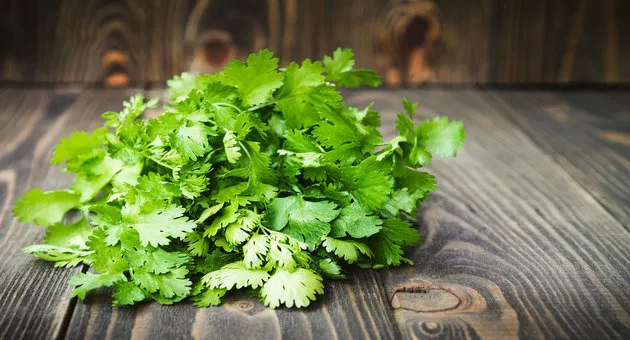
Coriander is one of the most commonly used kitchen herbs in Indian cooking. What makes it special is its strong aromatic oils that purify the air and neutralize stubborn odors in the kitchen.
Why Coriander Purifies Air
- Helps reduce kitchen smells like garlic, fish, and onions.
- Absorbs impurities from surrounding air.
- Refreshes your cooking space with its earthy scent.
How to Grow Coriander Indoors
- Light: Prefers morning sunlight and afternoon shade.
- Soil: Loose, organic potting mix.
- Water: Requires frequent but light watering.
- Harvest: Snip leaves often to encourage new growth.
Best Uses in Cooking
- Curries, dals, garnishes, salads, chutneys, and smoothies.
How These Herbs Clean the Air (Science Behind It)
These culinary herbs purify air through three main mechanisms:
1. Absorbing Toxins
Herbs absorb pollutants such as ammonia, benzene, and formaldehyde—common indoors due to cleaning agents and cooking fumes.
2. Releasing Phytoncides
These are antimicrobial compounds that help reduce bacteria, mold, and viruses in the air.
3. Increasing Oxygen Levels
Herbs release fresh oxygen during the day, improving overall air quality inside your kitchen.

Bonus Benefit
Because you harvest these herbs regularly, they continue producing fresh leaves, ensuring constant purification.
Tips for Growing Air-Purifying Herbs in Your Kitchen
Choose the Right Spot
A sunny windowsill or balcony corner is ideal.
Use Good Quality Soil
Prefer organic potting mix and add compost for nutrition.
Ensure Proper Drainage
Most herbs dislike waterlogged soil.
Water Wisely
Over-watering kills more herbs than under-watering.

Harvest Regularly
Pruning encourages bushy growth and stronger fragrance.
Keep Near the Stove (But Not Too Close)
Place herbs where they can absorb cooking odors but avoid extreme heat.
Final Thoughts
Growing herbs that purify the air is a simple, beautiful, and rewarding way to transform your kitchen. These six herbs—basil, mint, rosemary, thyme, oregano, and coriander—not only enhance the flavor of your meals but also keep your kitchen smelling fresh and clean. They’re affordable, easy to maintain, and perfect for apartment dwellers or homes with limited space.
Whether you’re setting up a windowsill herb garden, filling your balcony with pots, or creating a full-fledged indoor kitchen garden, these herbs will give you fresher air and healthier, tastier meals every single day.


Leave A Comment