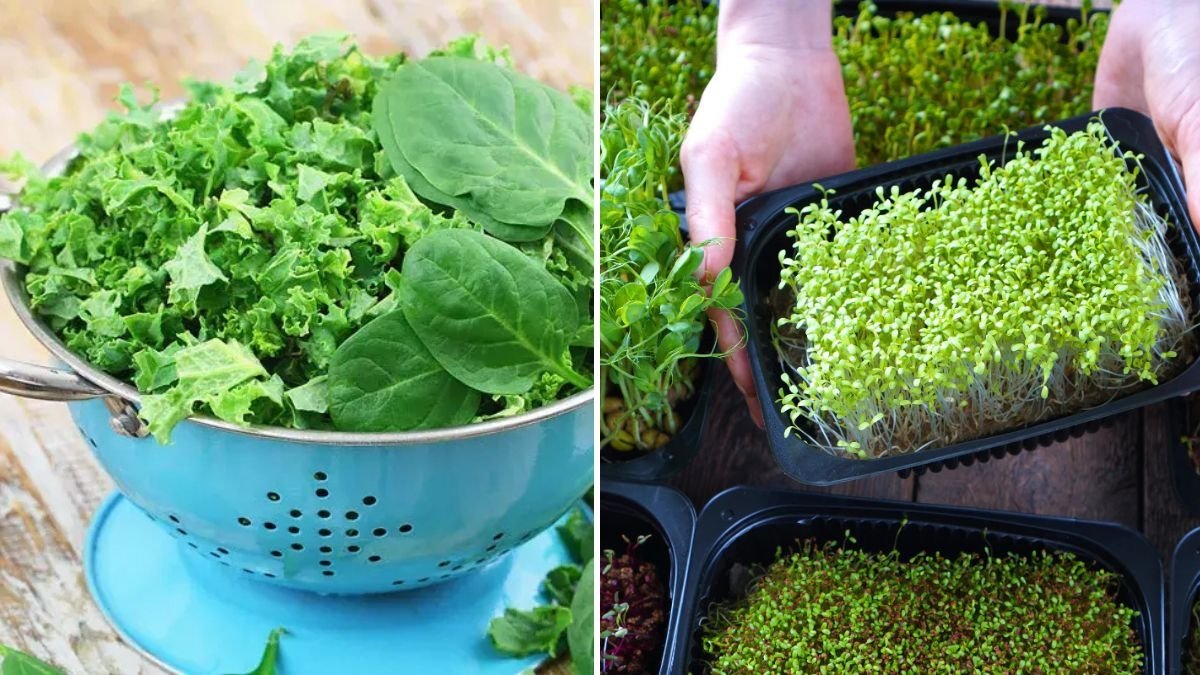
Growing vegetables indoors isn’t just a trend—it’s a surprisingly simple, rewarding, and space-efficient way to enjoy fresh produce all year long. Whether you live in an apartment, have limited outdoor space, or simply want to keep your kitchen stocked with homegrown greens, indoor vegetable growing is absolutely possible.
With the right containers, light, and care routine, you can grow a variety of vegetables inside your home, regardless of the weather outside. In this guide, you’ll discover five of the easiest vegetables to grow indoors year-round, along with practical tips to help you succeed from day one.
Why Grow Vegetables Indoors?
Before we explore the top crops, here are a few benefits of indoor vegetable gardening:
- Year-round harvests – No waiting for warm seasons.
- Pest-free growing – Indoors means fewer insects and diseases.
- Space efficient – Perfect for balconies, kitchen counters, and sunny windows.
- Greater control – Manage temperature, light, and water easily.
- Freshness on demand – Snip herbs and veggies right before cooking.
Indoor gardening also adds greenery to your living space and can be deeply therapeutic.
5 Vegetables You Can Grow Indoors All Year Long
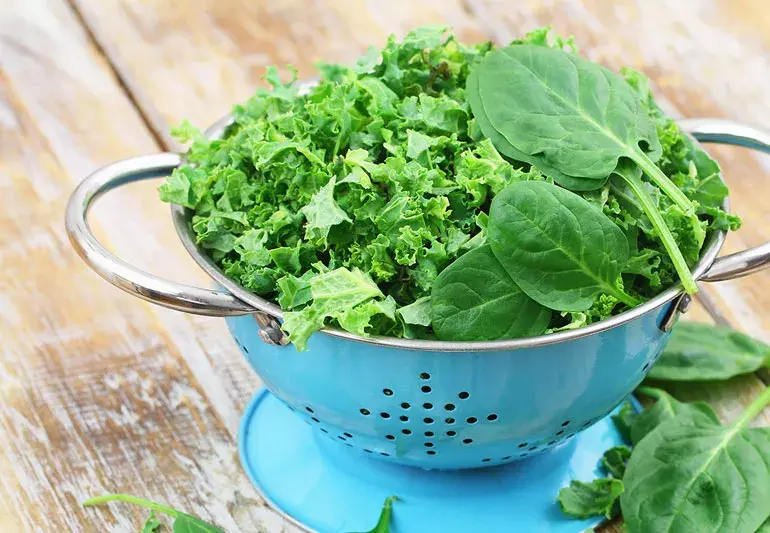
1. Leafy Greens (Spinach, Lettuce, Kale)
Why They’re Perfect Indoors
Leafy greens are the champions of indoor gardening. They grow fast, need minimal space, and don’t require deep containers. Many varieties thrive even in moderate light.
Light Requirements
- Ideal: Bright indirect sunlight or a LED grow light for 10–12 hours/day.
- Tip: Place near a south-facing window if possible.
Container & Soil
- Container depth: 4–6 inches
- Use loose, nutrient-rich potting soil.
Watering
Keep soil slightly moist but not soggy. Avoid overhead watering to prevent mildew.

Harvest Timeline
- Baby greens: 3–4 weeks
- Full leaves: 6–7 weeks
Harvesting Tip
Use the “cut-and-come-again” method: snip outer leaves and allow the center to regrow. This gives you continuous indoor salads for months.
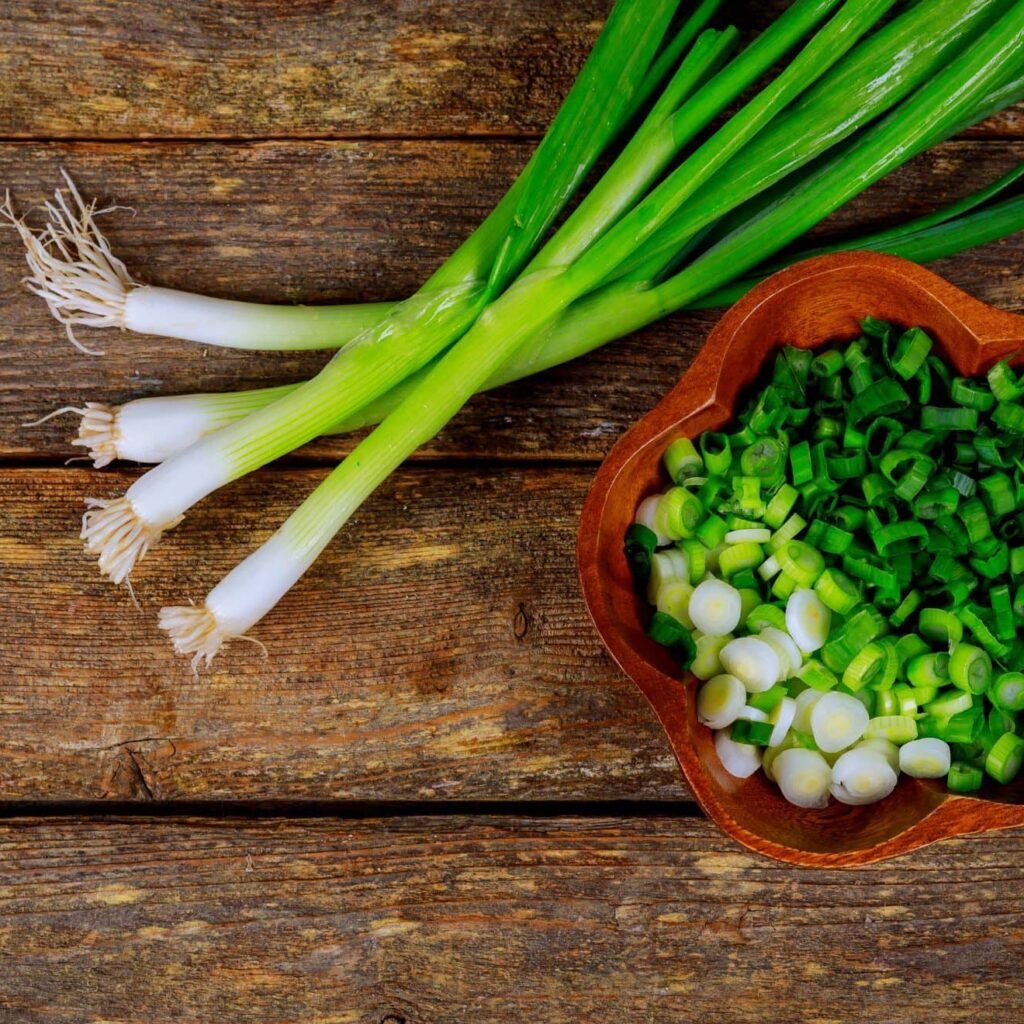
2. Green Onions (Spring Onions / Scallions)
Why They’re Ideal Indoors
Green onions are incredibly low maintenance and regrow quickly—sometimes from simple kitchen scraps. They don’t need much room and can thrive in compact spaces like window sills.
Light Requirements
- 6–8 hours of bright light
- They tolerate lower light better than most veggies.
Container & Soil
- Depth: 4 inches
- Any small pot works—drainage is essential.
Watering
Water lightly when the top inch is dry.
Harvest Timeline
Fully grown in 3–5 weeks.
Extra Tip
You can regrow them:
Place the root ends in water for a few days until green shoots appear, then plant in soil. Continuous harvest guaranteed!
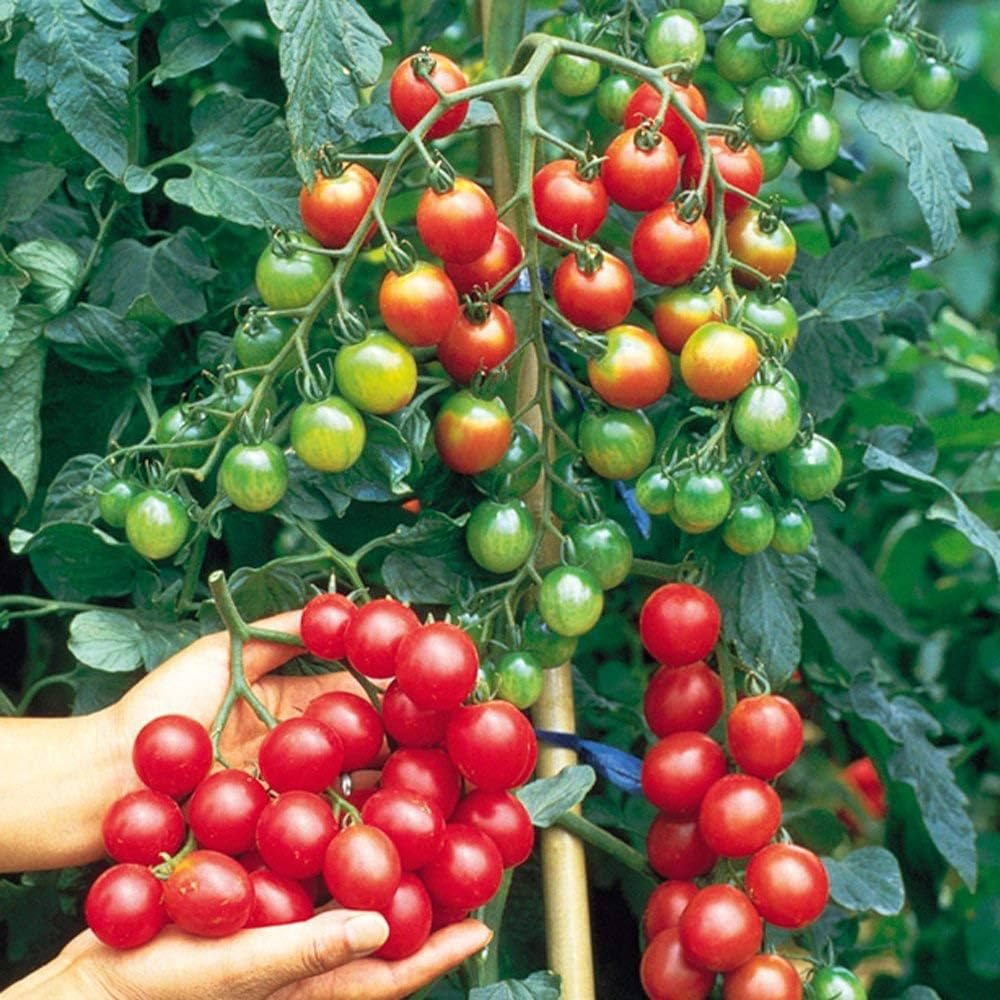
3. Cherry Tomatoes
Why They’re a Top Indoor Choice
Tomatoes are a bit more demanding than greens, but cherry tomato varieties like ‘Tiny Tim’ or ‘Micro Tom’ are bred specifically for containers and indoor spaces. With proper light, they produce fruit consistently.

Light Requirements
- 10–14 hours/day of strong grow light
- Tomatoes need the most light among indoor vegetables.
Container & Soil
- Depth: 12 inches or more
- A well-draining potting mix with compost added.
Watering
Water when the top 1–2 inches feel dry. Avoid watering the leaves.
Support
Even dwarf varieties may need a small stake or trellis.
Pollination
Indoors, wind and bees are missing. Gently shake the plant or use a small brush to move pollen between flowers.
Harvest Timeline
Ripened fruits in 8–12 weeks.
Bonus Benefit
Indoor tomatoes add both beauty and fresh fragrance with their shiny fruits and leafy aroma.
4. Peppers (Bell Peppers & Chillies)
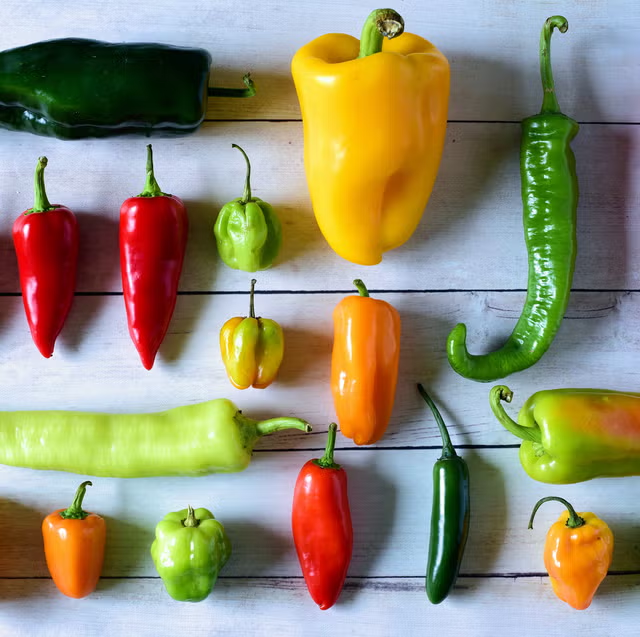
Why Grow Peppers Indoors?
Peppers are heat-loving plants that thrive inside warm houses, especially during cooler months. Compact varieties grow well indoors and produce consistently.

Light Requirements
- 10–12 hours/day of bright light
- Grow lights recommended for year-round production.
Container & Soil
- Depth: 10–12 inches
- Light, well-draining potting mix enriched with compost.
Watering
Water regularly but allow the soil to dry slightly between waterings. Overwatering causes root rot.
Pollination
Like tomatoes, gently shake the stems to encourage fruit set.
Harvest Timeline
Peppers mature in 8–12 weeks depending on the variety.
Tip
Pepper plants can live for years indoors if kept warm and well-lit—giving you long-term yields.
5. Microgreens
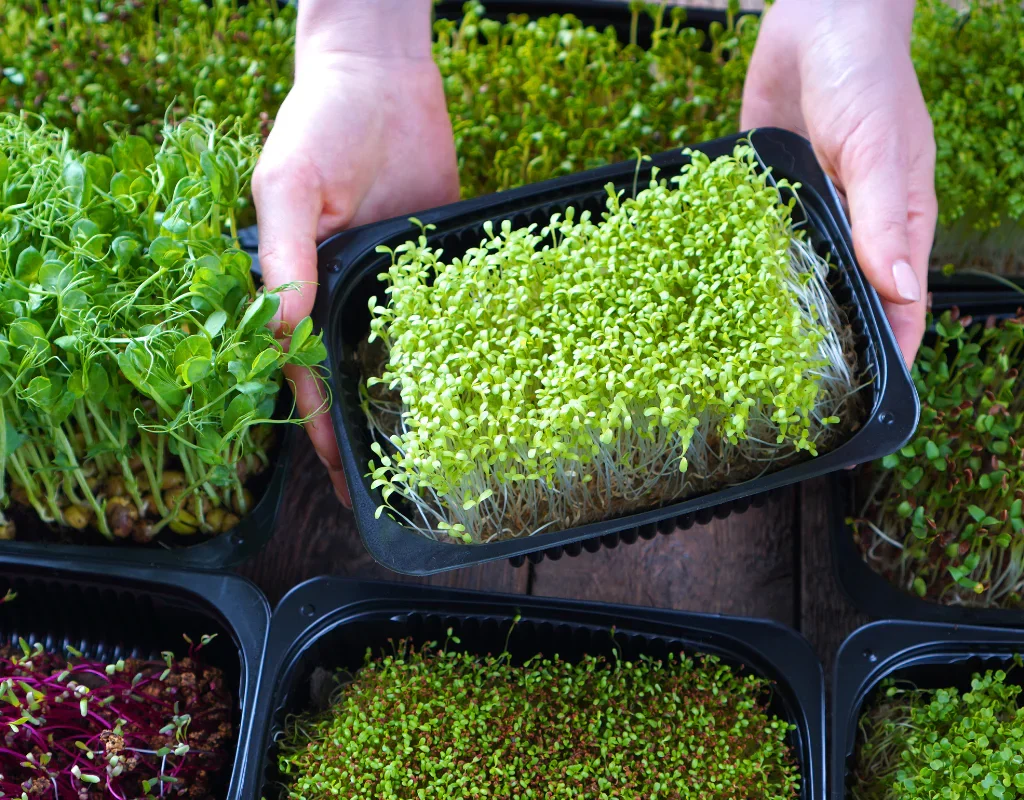
Why Microgreens Are Amazing Indoors
Microgreens are nutrient powerhouses. They grow incredibly fast and require zero gardening skills. From radish greens to beet greens to sunflower shoots, you can grow multiple batches throughout the year.
Light Requirements
- Moderate sunlight or 8–10 hours of grow light.
Container & Soil
- A shallow tray (2–3 inches deep).
- Loose, sterile potting soil works best.
Watering
Mist lightly once or twice daily.

Harvest Timeline
- Ready in 7–14 days!
Popular Microgreens to Try
- Radish
- Arugula
- Broccoli
- Mustard
- Sunflower
Why They’re Perfect for Beginners
Even if you forget to water occasionally, microgreens still grow quickly and reliably.
Essential Tips for Successful Indoor Vegetable Gardening
1. Choose the Right Light
While some vegetables tolerate low light, most need at least 6–8 hours of brightness. If your home doesn’t get strong sunlight, invest in affordable LED grow lights.
2. Maintain Proper Temperature
Most indoor vegetables thrive between 18°C–26°C (65°F–80°F). Avoid placing plants near cold windows in winter or near hot appliances.
3. Use Quality Soil
Garden soil is heavy and may contain pests. Always use light, sterile potting mix for indoor containers.
4. Don’t Overwater
Indoor plants dry slower. Touch the soil—if the top inch is dry, then water.
5. Fertilize Occasionally
Indoor veggies benefit from monthly feedings with liquid organic fertilizer or compost tea.

6. Ensure Proper Air Circulation
A small fan or open window occasionally helps prevent mold and keep plants healthy.
Final Thoughts
Growing vegetables indoors year-round is easier than most people think. Whether you want quick microgreens, endless leafy greens, or the rewarding challenge of tomatoes and peppers, there’s an indoor crop for every skill level and home size.
The best part? You don’t need a garden—just a few pots, some light, and consistent care. With these five indoor-friendly vegetables, you can enjoy fresh, organic, homegrown produce 365 days a year.

Leave A Comment