Slugs may look slow and harmless, but they can destroy an entire garden bed before you even realize what’s happening. These nocturnal feeders chew through tender seedlings, leafy greens, strawberries, hostas, and many ornamental plants. Gardeners often wake up to shredded leaves and disappearing plants, wondering what went wrong.
Chemical slug pellets may promise quick results, but they also bring risks—harmful to pets, wildlife, soil health, and even beneficial insects. Thankfully, you don’t need toxic chemicals to protect your garden. There are several eco-friendly, safe, and highly effective ways to keep slugs away from your garden beds while maintaining a balanced ecosystem.
In this article, we’ll explore five eco-friendly slug control methods that work naturally, helping you maintain a thriving garden without harming other living creatures.
Understanding Why Slugs Invade Your Garden
Before jumping into solutions, it helps to understand why slugs are drawn to certain plants and areas.
Common reasons slugs invade gardens:
- Moist, shady, and cool environments
- Dense mulch or plant debris for hiding
- Overwatered soil
- Tender young plants and soft leaves
- Wet weather or frequent irrigation
Slugs thrive in damp conditions, which means gardens with poor drainage or heavy mulch layers are especially vulnerable. Once they settle in, they feed at night and hide during the day beneath pots, rocks, boards, or leaf litter.
The key to controlling slugs is to disrupt their habitat and make your garden a place they don’t want to stay.
1. Use Barriers That Slugs Don’t Like to Cross
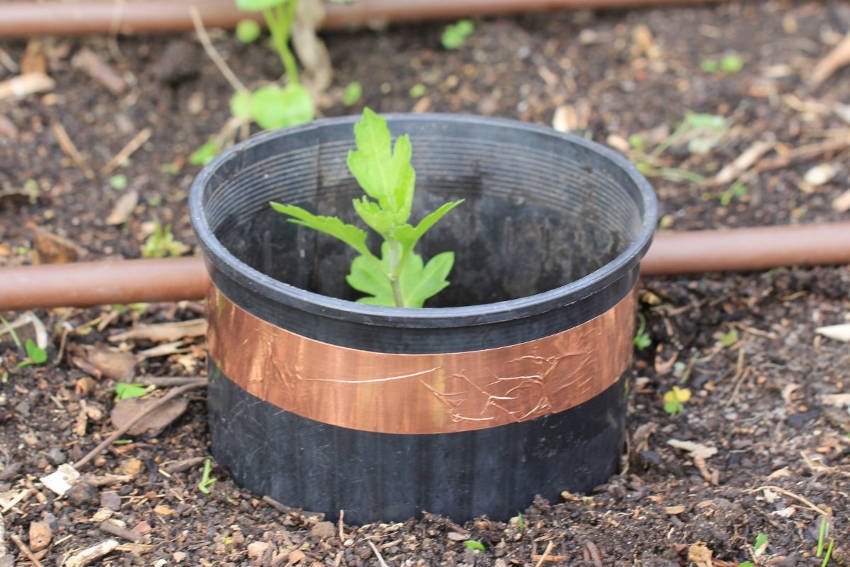
One of the easiest and most effective eco-friendly methods is creating physical barriers. Slugs move using a layer of slime, and certain textures make that process uncomfortable or impossible.

Common natural slug barriers include:
- Crushed eggshells
- Diatomaceous earth (DE)
- Coffee grounds
- Pine needles
- Crushed oyster shells
- Gritty sand
These materials have sharp, coarse, or abrasive textures that deter slugs naturally.
How to Apply Them
Sprinkle a thick, unbroken ring around:
- Garden beds
- Seedlings
- Potted plants
- Vulnerable plants like lettuce and hostas
Ensure the barrier stays dry—moisture reduces its effectiveness. Replace after rain or watering.
Why This Works
Slugs avoid sharp or uncomfortable surfaces because they damage their soft bodies. This makes barriers a gentle but effective way to keep them away.
2. Attract Natural Predators to Maintain Balance
Encouraging natural predators is one of the most sustainable ways to manage slug populations. Instead of trying to eliminate slugs entirely, let nature help you keep them in control.
Predators that feed on slugs include:
- Frogs and toads
- Ground beetles
- Birds (especially thrushes and blackbirds)
- Ducks
- Chickens
- Lizards
How to Attract Slug Predators
Build a Frog- or Toad-Friendly Environment
- Add a small pond or water dish
- Provide hiding spaces using logs, rocks, or clay pots
- Avoid chemical pesticides that harm amphibians
Add Bird-Friendly Features
- Install bird feeders
- Provide shallow water baths
- Plant shrubs that offer shelter
Encourage Ground Beetles
- Create beetle habitats using leaf piles or stones
- Avoid using synthetic insecticides
Why This Works
Natural predators keep slug populations balanced without disrupting the ecosystem. The more biodiversity your garden supports, the fewer pest problems you’ll face overall.
3. Use Beer Traps or Yeast Traps to Reduce Slug Numbers
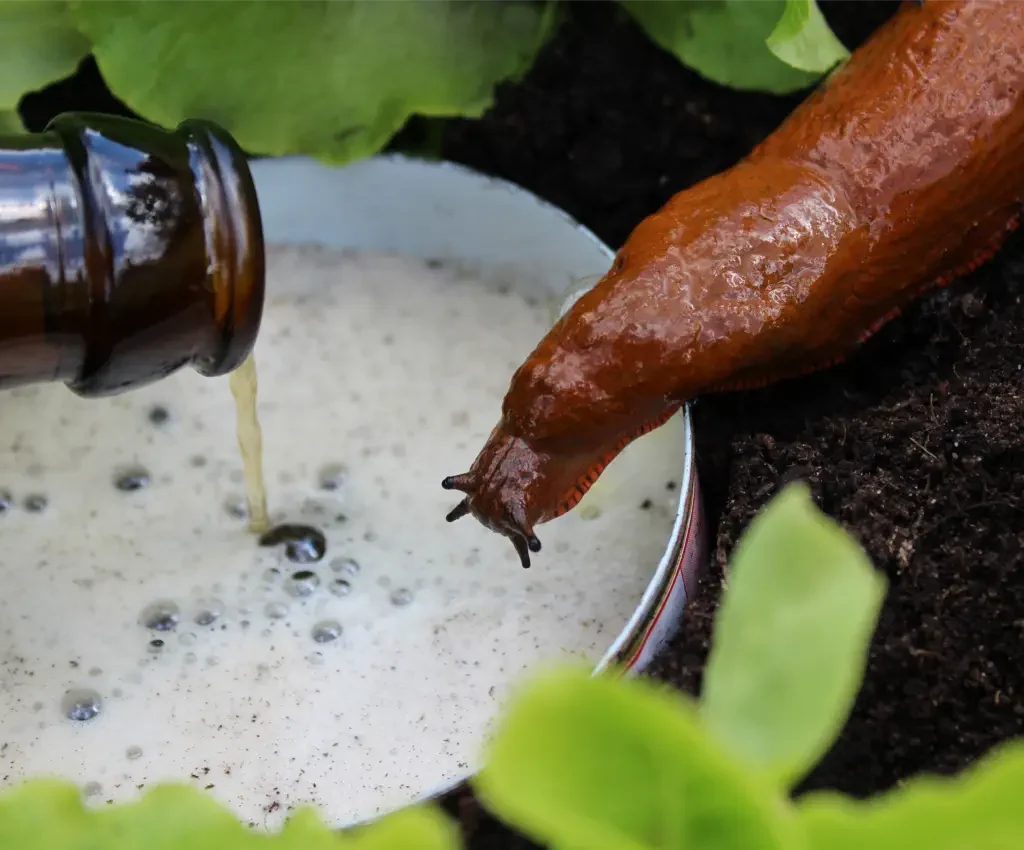
Beer traps have been used for decades as an organic method to capture and kill slugs. They’re simple, inexpensive, and highly effective when used correctly.

How Beer Traps Work
Slugs are attracted to the smell of yeast and sugars. When they crawl into the beer, they fall in and drown.
How to Set Up Beer Traps
- Take a shallow container (yogurt cups work well)
- Dig it into the soil so the rim is level with the ground
- Fill the container halfway with beer or a yeast-water mixture
- Place traps every 3–6 feet in high slug activity areas
Yeast-Water Solution Recipe
If you don’t want to use beer, mix:
- 1 cup warm water
- 1 teaspoon sugar
- ½ teaspoon active dry yeast
Let it sit for 15 minutes before using.
When to Replace Traps
Every 2–3 days or after rain.
Why This Works
The yeast scent is irresistible to slugs, and once inside the trap, they can’t escape. This method reduces slug populations naturally without harming other creatures.
4. Keep Your Garden Dry and Reduce Hiding Spots
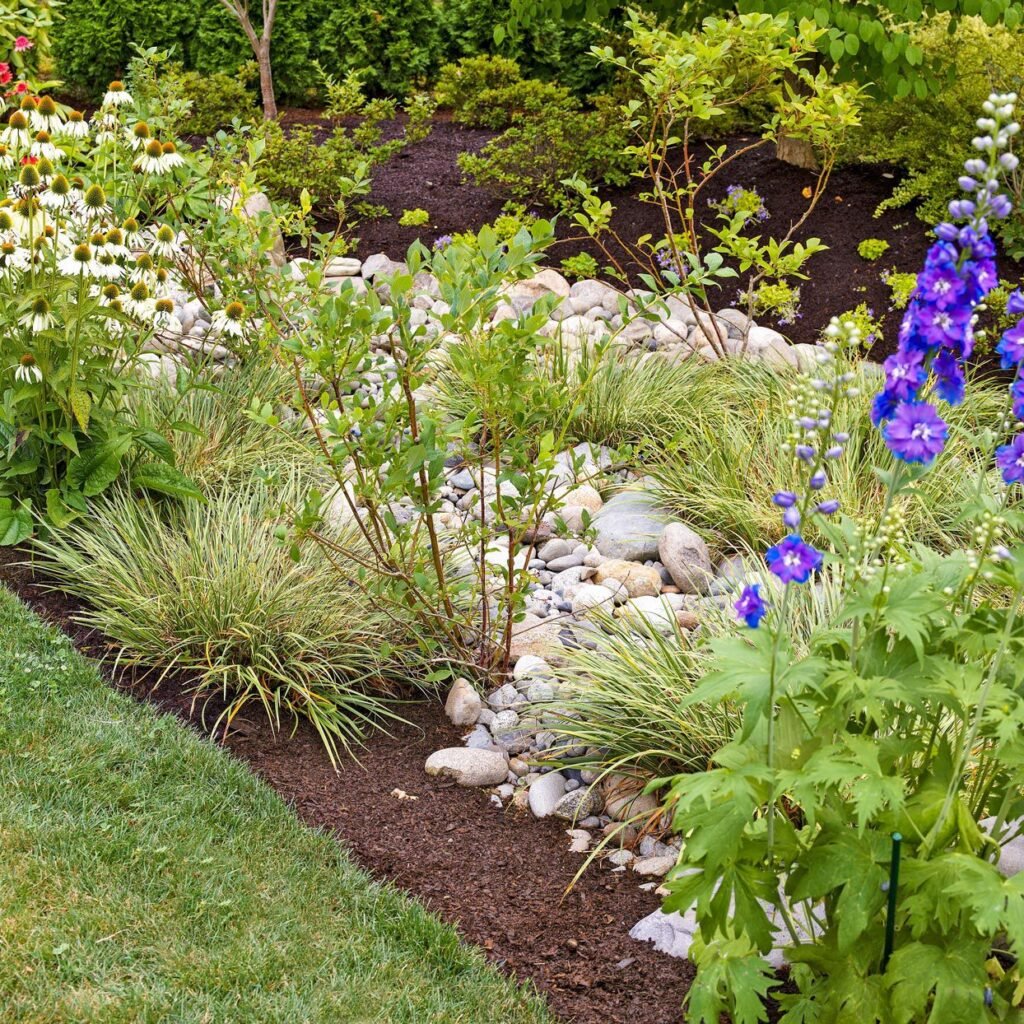
Creating an environment that slugs dislike is one of the most effective long-term solutions.
Steps to Reduce Moisture:
Water in the Morning
Evening watering keeps the garden damp overnight — prime time for slug feeding. Morning watering dries out the soil before nightfall.

Use Drip Irrigation
Keeps foliage dry and reduces overall moisture, discouraging slug activity.
Improve Drainage
Add compost, sand, or raised beds to prevent waterlogging.
Remove Hiding Spots
Slugs hide in cool, damp places during the day. Remove:
- Dense mulch layers
- Tall weeds
- Boards, stones, and yard debris
- Old pots or trays
- Overgrown plants touching the soil
Trim Lower Leaves
Plants with leaves touching the ground create easy access points for slugs.
Why This Works
Slugs need moisture to survive. By removing their hiding places and reducing dampness, you make your garden much less appealing to them.
5. Use Copper Tape or Copper Barriers to Repel Slugs
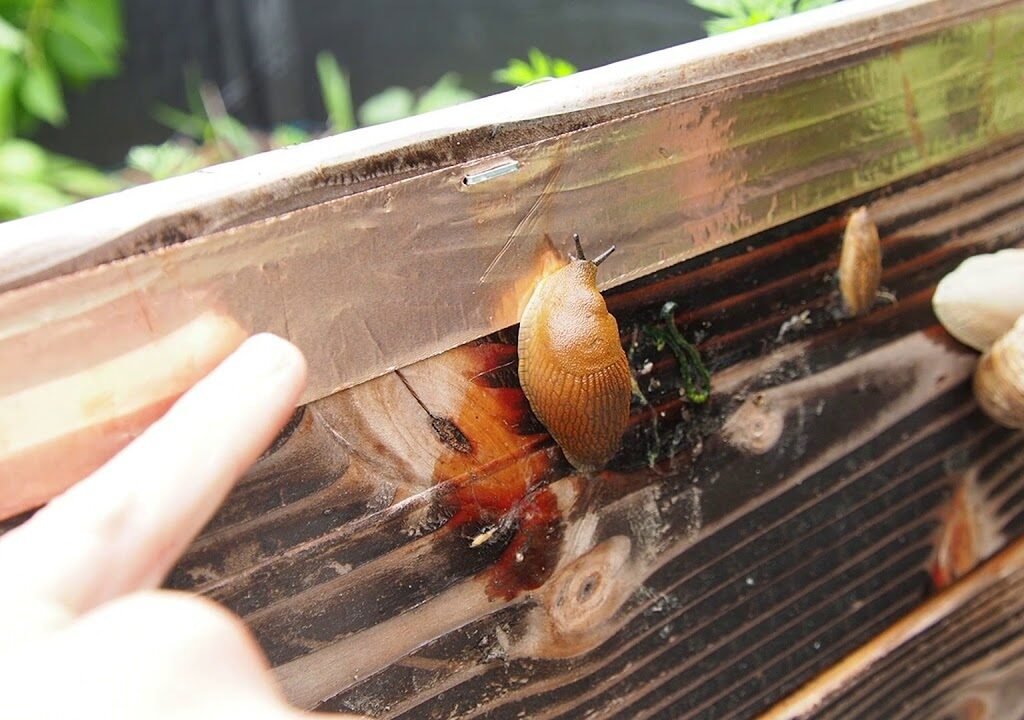
Copper is one of the most effective eco-friendly slug deterrents because it naturally repels slugs without harming plants or beneficial wildlife.
How Copper Repels Slugs
When a slug touches copper, it reacts with its slime, creating a mild electric charge. This sensation is unpleasant, so slugs avoid crossing copper surfaces.

Where to Use Copper Barriers
- Around raised garden beds
- Around pots and planters
- Along greenhouse doors or garden edges
- Around tree trunks
- Around individual plants using copper mesh
Types of Copper Products
- Copper tape (most common)
- Copper bands
- Copper mesh
- Copper rings
Tips for Best Results
- Clean copper regularly—it loses effectiveness when oxidized
- Ensure there are no gaps
- Install before planting for maximum protection
Why This Works
Copper provides long-lasting, chemical-free protection and is safe for children, pets, and wildlife.
Bonus Eco-Friendly Methods That Also Help
While the five main methods above are highly effective, these extra tips can boost your slug defense:
Plant Slug-Resistant Varieties
Some plants slugs avoid include:
- Lavender
- Rosemary
- Sage
- Ferns
- Foxgloves
- Geraniums
- Ornamental grasses
Sacrificial Plants
Plant lettuce or marigolds away from garden beds to lure slugs elsewhere.
Use Coffee Grounds
Caffeine is toxic to slugs and helps deter them naturally.
Sprinkle Seaweed Mulch
Dries quickly and has sharp edges that slugs dislike.
Encourage Healthy Plant Growth
Strong plants survive slug damage better than weak ones.

Why Eco-Friendly Methods Work Best
Unlike chemical slug pellets, the eco-friendly methods discussed here do not harm:
- Pets
- Birds
- Bees
- Earthworms
- Soil bacteria
- Other beneficial garden creatures
They also help build a healthier, more balanced garden ecosystem. Over time, natural slug predators become more common, soil improves, and pest populations stabilize on their own.
Final Thoughts
Slugs may be persistent, but you don’t need harsh chemicals to protect your garden. By using these five eco-friendly methods—barriers, natural predators, beer traps, moisture control, and copper—you can keep slugs away while preserving the health of your garden and the surrounding environment.
Organic slug control is not just about solving a pest problem; it’s about working with nature instead of against it. When you create a balanced ecosystem, your plants grow stronger, your garden becomes healthier, and slug damage becomes far less severe.
Try combining two or three of these methods for best results, and enjoy a thriving, vibrant, slug-free garden bed—naturally!

Leave A Comment