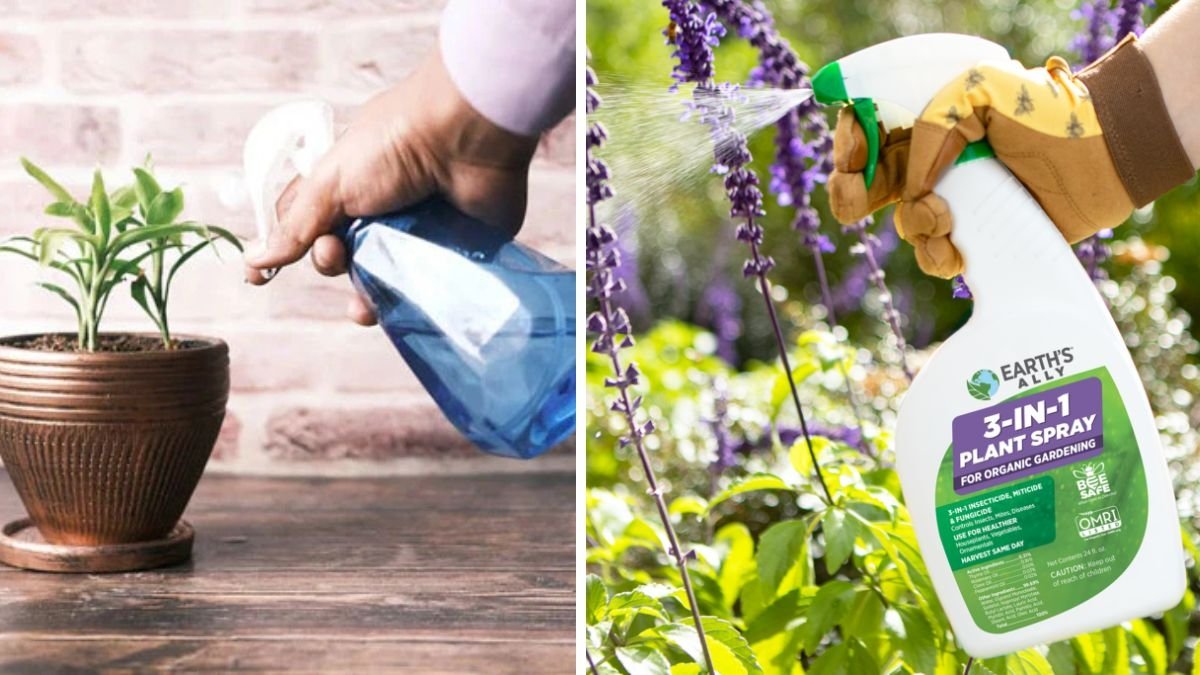
Neem oil has become one of the most popular natural solutions for gardeners who want to protect their plants without resorting to harmful chemicals. Whether you’re dealing with aphids, whiteflies, mites, mealybugs, scale insects, fungus gnats, or fungal issues like powdery mildew, neem oil is one of the most powerful, versatile, and eco-friendly tools in organic gardening.
Derived from the seeds of the neem tree (Azadirachta indica), neem oil has been used for centuries in traditional farming systems in India and other tropical regions. Today, gardeners around the world rely on its insect-repelling and antifungal properties to keep plants healthy—all without harming beneficial insects, pollinators, pets, or the environment.
If you’re looking to protect your plants naturally, learning how to make neem oil spray at home is essential. In this article, you’ll discover what neem oil is, how it works, how to prepare the perfect spray, how to apply it safely, and the best ways to use it for long-term plant protection.
What Is Neem Oil and Why Is It So Effective?
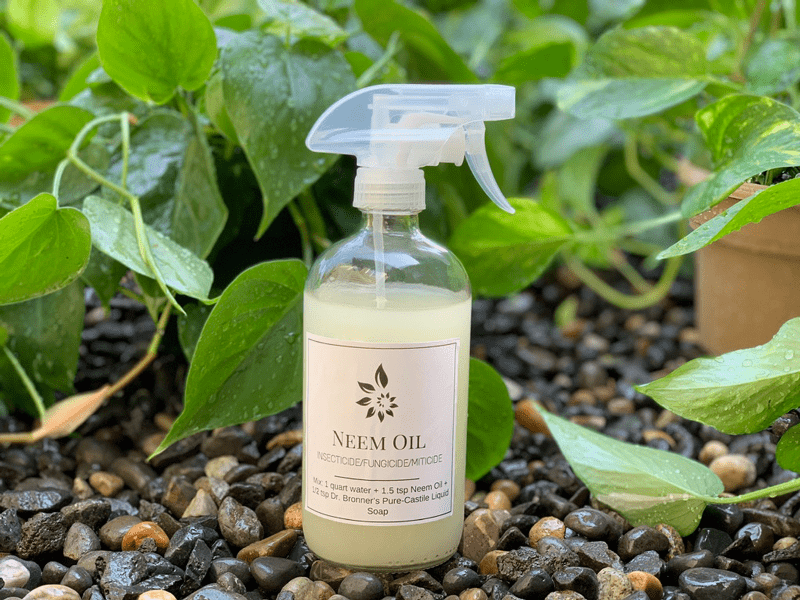
Neem oil is a natural plant extract that comes from neem tree seeds. It is rich in a compound called azadirachtin, which makes it a powerful pest repellent and insect growth regulator. Instead of killing beneficial insects—like bees, ladybugs, and butterflies—neem oil primarily targets harmful pests.
How Neem Oil Works
Neem oil works in several ways:
- Repels insects before they feed
- Disrupts growth and molting cycles of pests
- Prevents reproduction, reducing future outbreaks
- Coats pests, causing them to suffocate
- Stops fungal growth, especially powdery mildew
Because neem oil interrupts many stages of pest development, it provides long-lasting protection when used properly.
Why Gardeners Prefer Neem Oil Over Chemical Pesticides

Many gardeners choose neem oil because it is:
- Organic and biodegradable
- Safe for edible plants
- Non-toxic to humans and pets
- Gentle on beneficial insects (when applied correctly)
- Effective against a broad range of pests
- Affordable and easy to use
Unlike chemical pesticides, neem oil does not pollute soil or water and does not leave harmful residues on fruits and vegetables.

What You Need to Make Neem Oil Spray
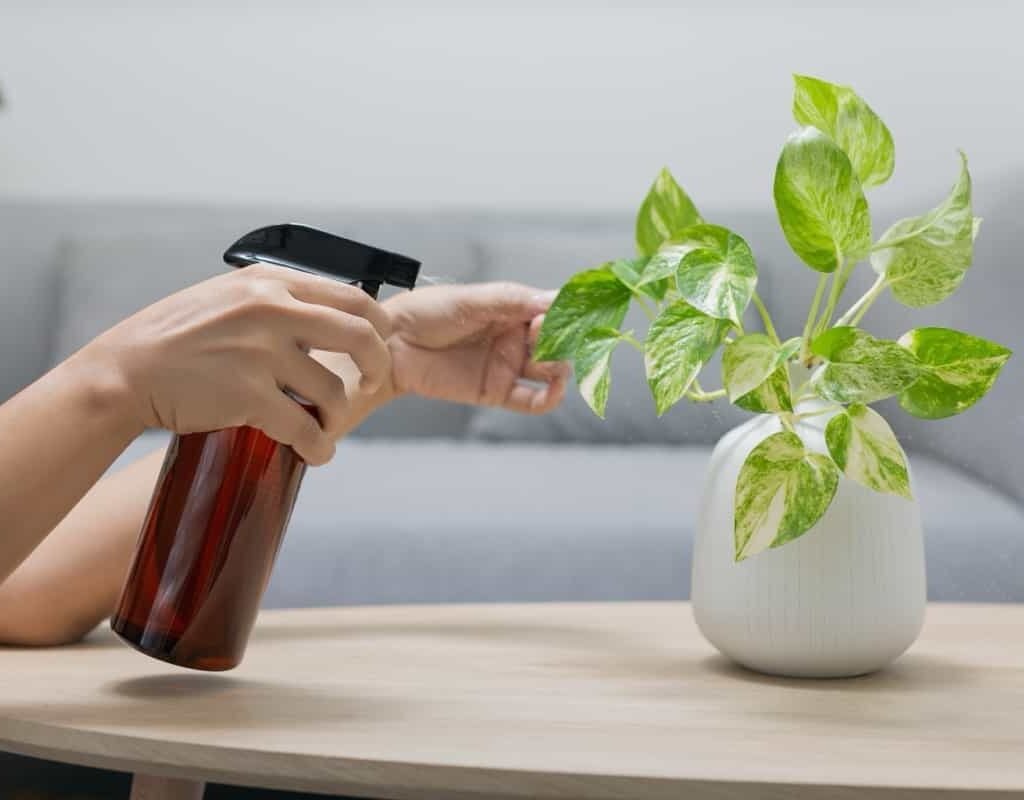
Preparing neem oil spray at home is simple, but the right ingredients make all the difference.
Ingredients
- Cold-pressed 100% pure neem oil (unrefined)
- Mild liquid soap or insecticidal soap
- Warm water
Tools
- A clean spray bottle or garden sprayer
- A small container for mixing
- A spoon or small whisk
Using cold-pressed neem oil is important because it contains the highest concentration of active compounds. Avoid products labeled “clarified hydrophobic extract”—they are less effective.
How to Make Neem Oil Spray (Perfect Ratio)

A standard neem oil spray ratio is:
- 1 liter of warm water
- 1 teaspoon mild liquid soap
- 1–2 teaspoons cold-pressed neem oil
Step-by-Step Instructions
1. Start with warm water
Neem oil mixes better with warm water. Fill your spray bottle with lukewarm water.
2. Add liquid soap
Soap acts as an emulsifier, helping oil mix with water. Without soap, the oil will float on top and not blend properly.
Stir gently to dissolve.
3. Add neem oil
Pour in 1–2 teaspoons of neem oil.
- Use 1 teaspoon for maintenance sprays.
- Use 2 teaspoons for severe infestations.
4. Mix well
Shake the bottle vigorously until the mixture becomes slightly cloudy and fully blended.

5. Use immediately
Neem oil breaks down quickly, so make only what you need for one session.
How to Apply Neem Oil Spray Correctly
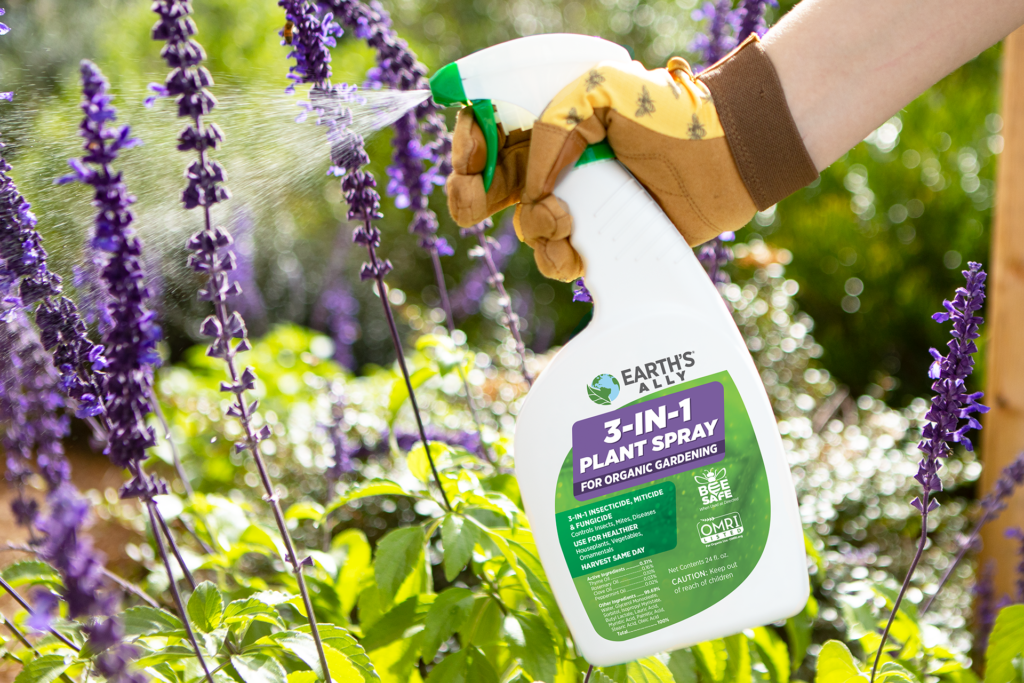
Using neem oil the right way ensures maximum effectiveness without harming your plants.
1. Spray in the early morning or late evening
Direct sunlight can burn leaves when combined with oil. Evening is best—it also allows the oil to work longer.
2. Cover all parts of the plant
Spray thoroughly:
- Tops of leaves
- Undersides (where most pests hide)
- Stems
- Soil surface (for fungus gnats)
3. Repeat applications
Neem oil works gradually, not instantly. For best results:
- Spray every 7 days for prevention
- Spray every 3–4 days for active infestations
4. Avoid spraying flowering blooms
This helps protect pollinators like bees and butterflies.
5. Don’t spray stressed plants
Avoid using neem oil on:
- Wilting plants
- Very young seedlings
- Plants in extreme heat
Neem oil can add extra stress to already weakened plants.

Pests and Diseases Neem Oil Can Control
Neem oil is highly effective against a wide variety of garden pests and plant diseases.
Common pests it repels or kills:
- Aphids
- Whiteflies
- Spider mites
- Mealybugs
- Scale insects
- Leaf miners
- Thrips
- Caterpillars
- Beetles
Diseases neem oil helps prevent:
- Powdery mildew
- Rust
- Black spot
- Leaf spot
- Blight (mild cases)
Because neem oil targets both insects and fungi, it’s one of the most versatile organic gardening treatments available.
When NOT to Use Neem Oil
While neem oil is safe, there are times when it should not be used.
Avoid spraying:
- During hot sunny days (leads to leaf burn)
- On plants with fuzzy or waxy leaves (like some succulents)
- On seedlings under 2 weeks old
- Right before harvest (wait at least 48 hours)
If unsure, always test spray a small leaf first.
How Neem Oil Protects Edible Plants
One of the biggest reasons gardeners love neem oil is that it’s safe for vegetables, fruits, herbs, and edible flowers. When applied correctly, it leaves no harmful residue and breaks down naturally within 24 hours.
You can safely use neem oil on plants like:
- Tomatoes
- Peppers
- Cucumbers
- Lettuce
- Spinach
- Fruit trees
- Mint and basil
- Strawberries
- Beans and peas
Just remember to wash produce before eating—something you’d do anyway.

Neem Oil Soil Drench for Root Pests
Neem oil isn’t only for leaves—you can also use it to protect plant roots from soil pests like fungus gnats and root mealybugs.
Neem Soil Drench Recipe
- 1 liter of water
- 1 teaspoon neem oil
- ½ teaspoon soap
Mix well and pour slowly at the base of the plant. Repeat every 3 weeks. This strengthens the plant’s internal defense system and kills larval pests in the soil.
Neem Oil vs. Other Natural Sprays
You may wonder how neem oil compares to other homemade sprays. Here’s a quick comparison:
| Natural Spray | Best For | Strength | Notes |
|---|---|---|---|
| Neem Oil | Most pests + fungi | ★★★★★ | Long-lasting protection |
| Soap Spray | Soft-bodied insects | ★★★★ | Quick kill |
| Garlic Spray | Repelling pests | ★★★ | Low toxicity |
| Chili Spray | Chewing bugs | ★★★★ | Strong deterrent |
| Vinegar Spray | Ants + mildew | ★★★ | Can burn leaves |
| Essential Oil Spray | Mild pests | ★★★ | Good for prevention |
Neem oil stands out for combining repellent, insecticidal, and antifungal properties in one spray.
Tips for Getting the Most Out of Neem Oil
To maximize its effectiveness, keep these tips in mind:
1. Shake frequently
Oil separates quickly—shake every few minutes while spraying.
2. Store neem oil properly
Keep the bottle in a cool, dark place. Heat and sunlight reduce its strength.
3. Keep plants healthy
Even neem oil works better when plants are well-watered, fertilized, and pruned.

4. Rotate with other sprays
Using neem oil too often can cause pests to adapt. Alternate with soap spray or garlic spray if needed.
Final Thoughts
Neem oil is one of the most valuable natural tools any gardener can have. It’s safe, organic, affordable, and effective against many common pests and diseases that threaten your plants. Learning how to make neem oil spray at home ensures you always have a reliable solution ready when pests strike.
Whether you’re growing vegetables, fruit trees, flowers, herbs, or houseplants, neem oil provides a gentle but powerful defense—helping your garden thrive the natural way. Start using neem oil spray today and enjoy healthier, stronger, pest-free plants all season long!

Leave A Comment