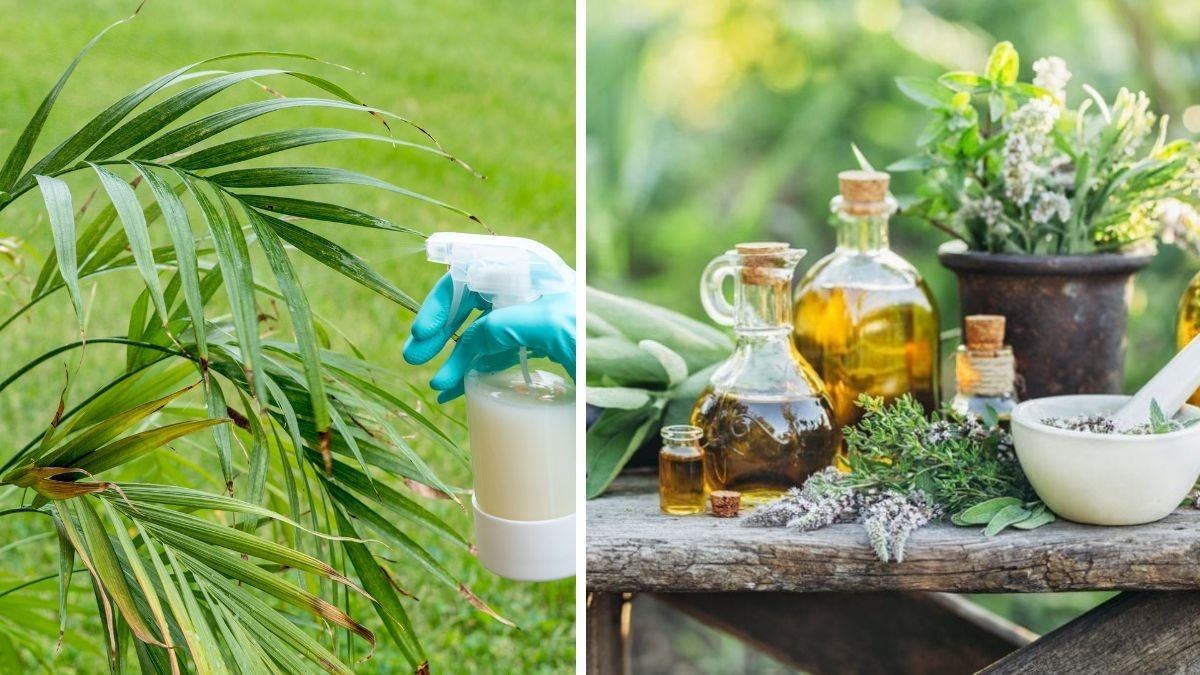
Dealing with aphids, whiteflies, spider mites, and other garden pests can feel overwhelming—especially when they take over your plants almost overnight. These tiny pests multiply fast, weaken your plants, and spread diseases throughout your garden. While chemical pesticides promise quick results, they also harm beneficial insects, contaminate soil, and disrupt your garden’s natural balance.
Fortunately, you don’t need harsh chemicals to protect your plants. Homemade natural sprays are safe, effective, and incredibly easy to make using ingredients you likely already have at home. These remedies help repel or kill pests without harming bees, butterflies, or the environment. Whether you’re a seasoned gardener or just getting started, these six homemade sprays will help you keep your garden thriving and pest-free.
Below are six powerful, organic, and budget-friendly sprays every gardener should know.
1. Neem Oil Spray — Nature’s All-Purpose Pest Control
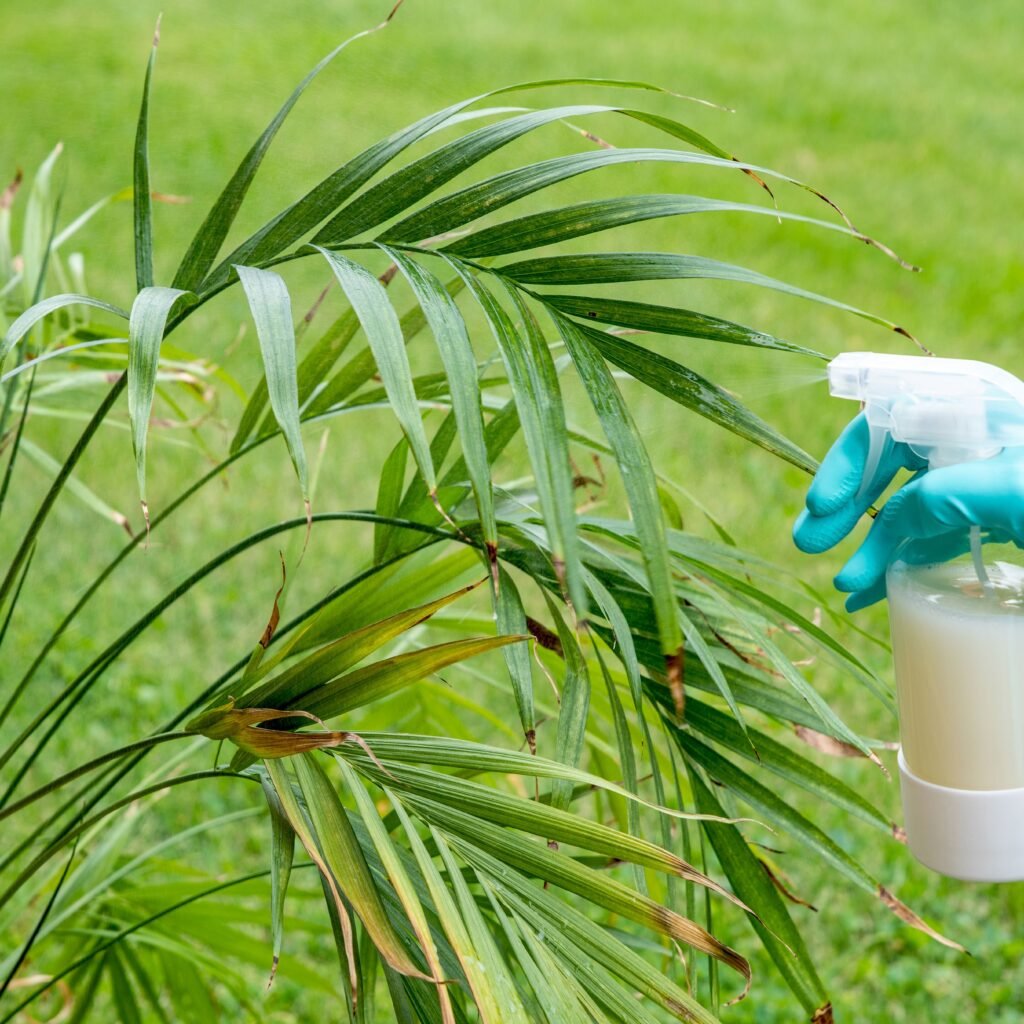
If there’s one natural remedy every gardener should have on hand, it’s neem oil. Extracted from the seeds of the neem tree, neem oil is incredibly effective against over 200 types of insects, including aphids, mites, mealybugs, and whiteflies.
Why Neem Works
Neem contains azadirachtin, a compound that disrupts insects’ feeding, reproduction, and growth. It doesn’t harm beneficial insects unless directly sprayed on them.
How to Make It
- 1 liter of water
- 2 teaspoons cold-pressed neem oil
- 1 teaspoon mild liquid soap
Mix everything well and pour into a spray bottle.
How to Use
Spray on the tops and undersides of leaves, focusing on infected areas. Apply every 5–7 days until pests disappear.
Best For:
Aphids, whiteflies, mealybugs, scale, spider mites, and fungal issues like powdery mildew.

2. Garlic Spray — Repel Pests with Strong Aroma
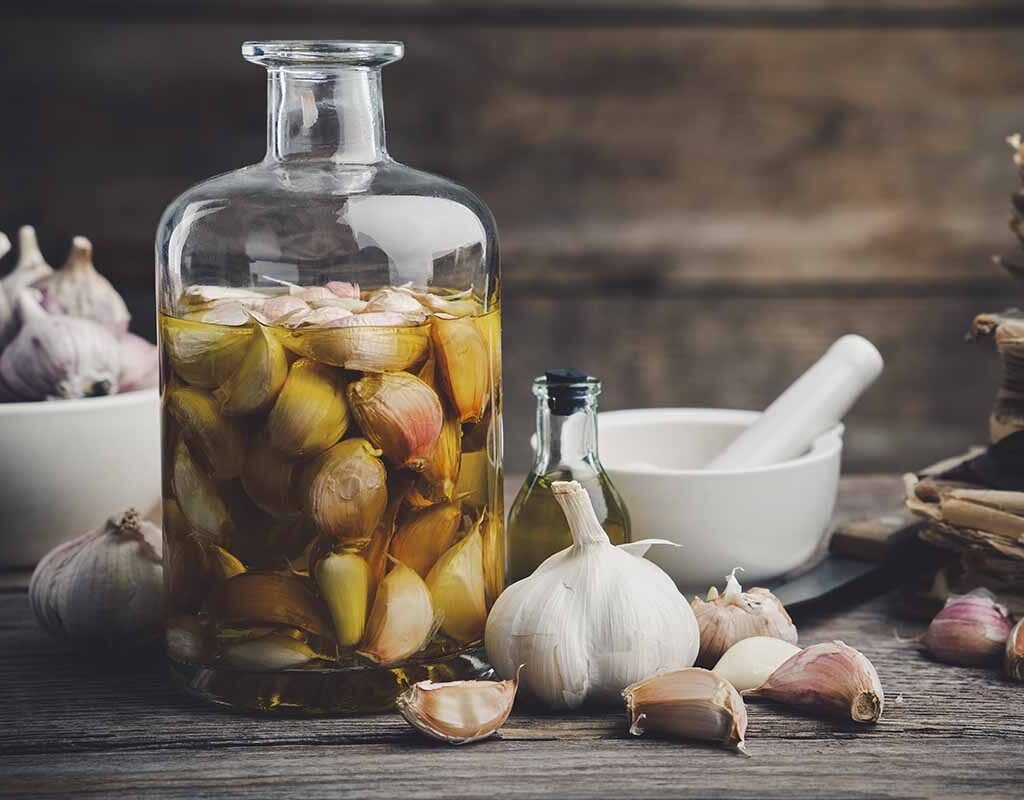
Garlic is a natural insect repellent thanks to its strong smell and sulfur-containing compounds. Many insects dislike its scent, making it a great deterrent for aphids, beetles, and caterpillars.
How to Make Garlic Spray
- 10 garlic cloves
- 1 liter of water
- Optional: 1 teaspoon liquid soap
Instructions
Crush the garlic cloves and soak them in water overnight. Strain the mixture, add the soap, and pour it into a spray bottle.
How to Use
Spray directly on leaves, stems, and soil. Reapply after rain.
Best For:
Aphids, thrips, ants, caterpillars, and mites.
Pro Tip:
Plant garlic around roses, tomatoes, and peppers to naturally deter pests all season.
3. Soap and Water Spray — Quick Fix for Soft-Bodied Pests

One of the simplest yet most effective homemade sprays is soap and water. It works by breaking down the protective outer coating of soft-bodied insects, causing dehydration.
How to Make Soap Spray
- 1 liter of water
- 1–2 teaspoons of mild liquid soap (not detergent)
Stir gently and pour into a spray bottle.
How to Use
Spray directly onto aphids, mealybugs, and mites. Apply every 2–3 days until pests disappear.

Best For:
Aphids, mites, whiteflies, and scale crawlers.
Important Tip:
Test a small leaf first. Some delicate plants, like ferns or succulents, can be sensitive to soap sprays.
4. Chili Pepper Spray — Natural Defense Against Chewing Pests

If pests are chewing holes in your leaves, this spicy spray will send them packing. Capsaicin, found in chili peppers, irritates insects and prevents them from feeding on your plants.
How to Make Chili Spray
- 2–3 fresh chili peppers or 1 tablespoon chili powder
- 1 liter of water
- 1 teaspoon mild soap
Instructions
Blend chilies with water, strain through fine cloth, and add the soap.
How to Use
Wear gloves and avoid touching your face! Spray generously on affected leaves.
Best For:
Caterpillars, beetles, aphids, and leaf miners.
Bonus:
This spray also helps deter squirrels, rabbits, and other small garden pests.
5. Vinegar Spray — Effective Against Ants, Aphids, and Mildew
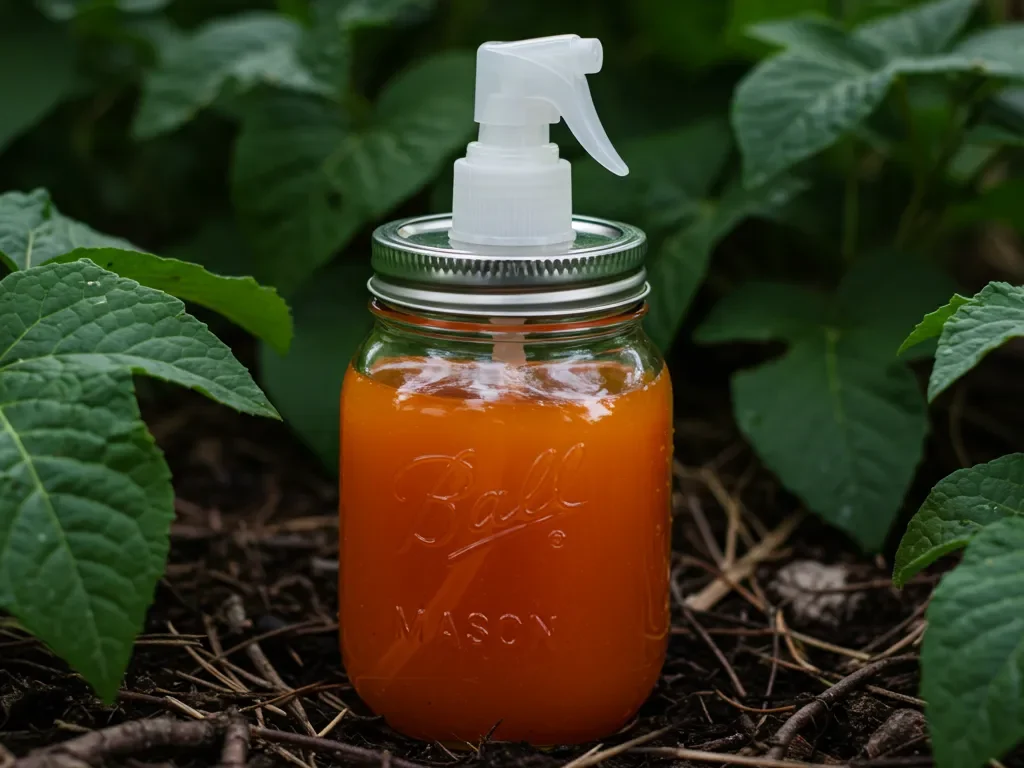
Vinegar is a versatile household ingredient that doubles as a natural pesticide. The acidity helps repel ants, aphids, and mealybugs while also preventing powdery mildew.

How to Make Vinegar Spray
- 1 cup white vinegar
- 1 liter of water
- Optional: 1 teaspoon mild soap
How to Use
Spray lightly on leaves, avoiding direct sunlight to prevent leaf burn. Apply early morning or late evening.
Best For:
Aphids, mildew, ants, and flies.
Caution:
Never use full-strength vinegar on plants. It can harm leaves.
6. Essential Oil Spray — Aromatic Protection for Your Garden
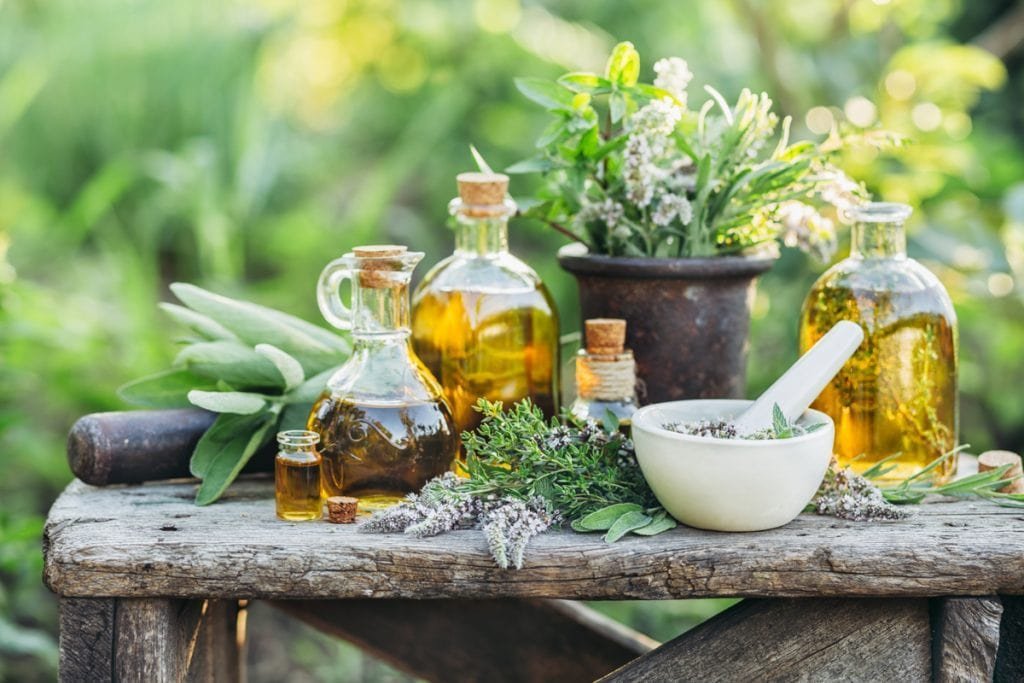
Essential oils don’t just smell amazing—they’re also effective natural pesticides. Oils like peppermint, eucalyptus, tea tree, and rosemary have strong insect-repelling properties.
How to Make Essential Oil Spray
- 1 liter of water
- 10–12 drops of essential oil of your choice
- 1 teaspoon mild soap
How to Use
Shake well and spray on leaves every week or after heavy rain.
Best Essential Oils for Pest Control
- Peppermint oil: Repels aphids, ants, and spiders
- Rosemary oil: Deters caterpillars and beetles
- Tea tree oil: Fights fungal issues and mites
- Eucalyptus oil: Keeps whiteflies and flies away
Best For:
Aphids, mites, beetles, and fungal infections.
How to Use Homemade Sprays Effectively
Using natural sprays correctly makes all the difference. Here are a few tips to improve effectiveness:
1. Always Spray in the Early Morning or Late Evening
Direct sunlight can cause leaf burn, especially when using oil or vinegar-based sprays.

2. Spray the Undersides of Leaves
Most pests hide under the leaf surface, so make sure you coat them well.
3. Test a Small Area First
Some plants may react differently. If leaves curl or discolor, dilute the mixture.
4. Don’t Overuse Sprays
Even natural remedies can stress plants if used excessively. Apply only when pests are active.
5. Combine Sprays with Good Garden Practices
Natural sprays work best when your garden is already healthy. Improve airflow, remove dead leaves, and keep the soil well-nourished.
Extra Pest-Prevention Tips to Protect Your Plants
Besides using homemade sprays, here are simple ways to keep bugs away:
Introduce Beneficial Insects
Ladybugs, lacewings, and hoverflies love eating aphids and mites.
Use Reflective Mulch
Silver mulch confuses flying insects like aphids and whiteflies.
Grow Companion Plants
- Marigolds repel nematodes and aphids.
- Nasturtiums trap aphids away from vegetables.
- Basil repels flies and mosquitoes.
Water Plants Properly
Overwatering attracts fungus gnats. Underwatering weakens plants, making them more vulnerable to pests.

Keep Your Garden Clean
Remove infected leaves immediately to stop pests from spreading.
Final Thoughts
Keeping your garden pest-free doesn’t require chemical pesticides. With these six homemade sprays, you can protect your plants naturally, safely, and affordably. Each spray targets different pests and offers unique benefits—many gardeners even rotate between them throughout the season for maximum effectiveness.
These natural remedies not only help repel aphids and bugs but also support a healthier garden ecosystem that thrives year-round. Whether you’re growing vegetables, herbs, houseplants, or ornamentals, these easy DIY sprays will keep your plants protected and happy.
Try them out, observe what works best for your garden, and enjoy a vibrant, thriving, chemical-free growing space!

Leave A Comment